The Global Plastic Crisis: Understanding the Impact and the Path to Solutions
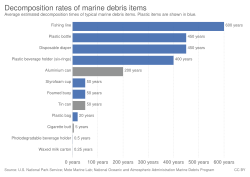
Plastic pollution is the accumulation of plastic objects and particles—such as bottles, bags, and microbeads—within the Earth's environment. Because plastics are inexpensive, durable, and highly adaptable, they have become a preferred material for manufacturers worldwide. However, these same qualities make them a persistent environmental threat. The chemical structure of most plastics makes them resistant to natural degradation processes, meaning they remain in our ecosystems for incredibly long periods, traveling through food webs and affecting nearly every corner of the planet.
To understand the scale of the issue, scientists categorize plastic debris by size: microdebris (tiny particles), mesodebris, and macrodebris (larger items like bottles and nets).

Key Facts
- Persistence: Most plastics are resistant to natural degradation, allowing them to persist in ecosystems for long durations.
- Scale of Mismanagement: In 2019, Asia accounted for 52 million metric tonnes (Mt) of mismanaged plastic waste per year.
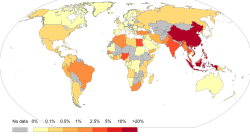
- Top Polluter: China is the largest generator of plastic pollution, producing 8,820 thousand tonnes per year.
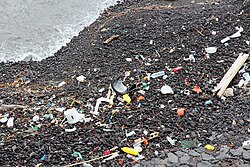
- Oceanic Impact: Plastic debris enters the ocean through various pathways, affecting marine life from invertebrates to vertebrates.
- Human Health: Research indicates plastic pollution can impact human biological systems, including thyroid and sex hormones.
The Scale of Plastic Waste Generation
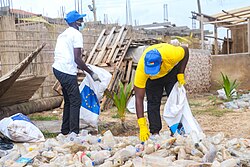
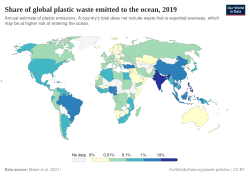
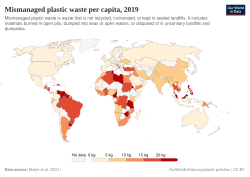
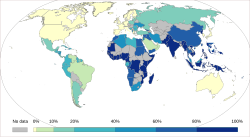
The volume of plastic waste produced globally is staggering. Mismanaged plastic waste—waste that is not properly collected, recycled, or disposed of—is a primary driver of environmental pollution. In 2019, the distribution of mismanaged plastic waste by region was as follows:
- Asia: 52 Mt
- Africa: 17 Mt
- Latin America & Caribbean: 7.9 Mt
- Europe: 3.3 Mt
- US & Canada: 0.3 Mt
- Oceania: 0.1 Mt
Major Plastic Waste Polluters
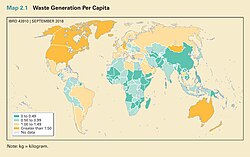
Different countries contribute to the global plastic crisis at varying rates. While some countries are major generators of total plastic waste, others are significant contributors to mismanaged plastic waste. Below is a summary of the top contributors to plastic pollution (measured in thousands of tonnes per year).
| Rank | Country | Plastic Pollution (1,000 tonnes/year) |
|---|---|---|
| 1 | China | 8820 |
| 2 | Indonesia | 3220 |
| 3 | Philippines | 1880 |
| 4 | Vietnam | 1830 |
| 5 | Sri Lanka | 1590 |
| 6 | Thailand | 1030 |
| 7 | Egypt | 970 |
| 8 | Malaysia | 940 |
| 9 | Nigeria | 850 |
| 10 | Bangladesh | 790 |
Environmental and Biological Impacts
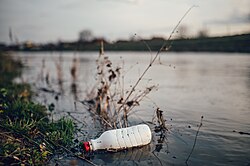
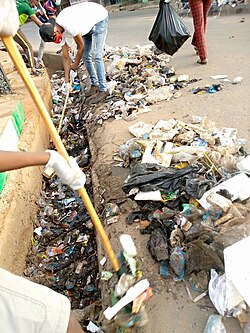
Plastic pollution affects terrestrial, freshwater, and marine ecosystems. On land, plastic can impede drainage systems, leading to increased flooding risks. In freshwater environments, it impacts biodiversity, affecting both invertebrates and vertebrates.
Impact on Marine Life
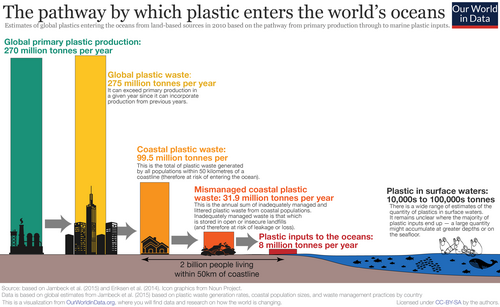
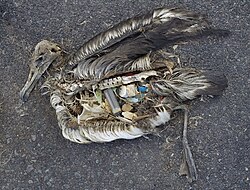
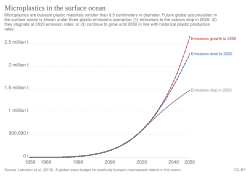
The oceans bear a significant burden of plastic debris. Macroplastics accumulate at the surface, while microplastics are found throughout the water column. This debris poses a direct threat to marine animals through ingestion and entanglement.

Effects on Human Health
Beyond the visible environmental damage, plastic pollution has clinical significance for humans. Studies suggest that plastic-related pollutants may influence the thyroid hormone axis and sex hormones, posing potential risks to human health.
Removal and Mitigation Strategies
Addressing the plastic crisis requires a multi-faceted approach involving waste management, policy changes, and technological innovation. Currently, the primary pathways for removing plastics from the environment are:
- Landfilling: 271 Mton/y
- Incineration: 168 Mton/y
- Recycling: 121 Mton/y

Policy and Global Action
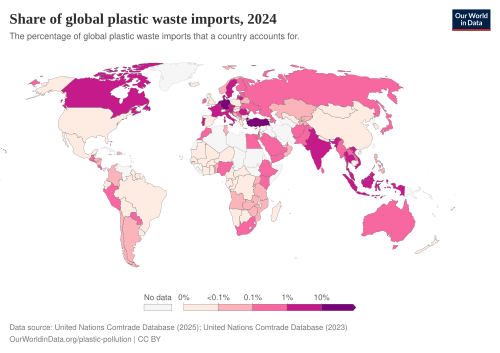
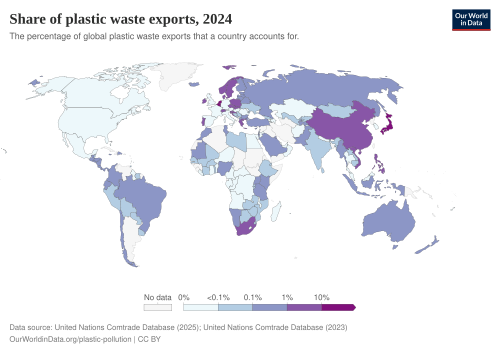
Many nations are implementing bans on single-use plastics and waste import restrictions to combat the crisis. For example, countries like Malaysia, Thailand, and Turkey have moved to ban plastic waste imports. On a local level, regions like Connecticut have implemented charges or bans on single-use plastic bags to encourage a circular economy—an economic system aimed at eliminating waste and the continual use of resources.

Frequently Asked Questions

What is the difference between microplastics and macroplastics?
Macroplastics are large plastic items, such as bottles or fishing nets, that are visible to the naked eye. Microplastics are much smaller particles that can be found in the environment and even in tap water.
How does plastic pollution contribute to flooding?
In many areas, plastic waste can clog gutters and drainage systems. This obstruction prevents the efficient flow of water and sewage, which can lead to increased flooding during heavy rainfall.
What are the main ways plastic is removed from the environment?
The most common methods for managing plastic waste are landfilling, incineration, and recycling. Currently, landfilling is the most utilized method globally.
Can plastic be fully decomposed naturally?
Most conventional plastics are highly resistant to natural degradation processes. While some research is exploring "plastic-eating" organisms, most plastic remains in the environment for a very long time.
How does plastic affect marine animals?
Marine animals are affected in two primary ways: ingestion, where they eat plastic debris (sometimes mistaking it for food), and entanglement, where they become trapped in discarded items like fishing lines.