Articles/Plastic Bags: History, Diverse Uses, and Environmental Impact
plastic bag historypolyethylene packagingsingle-use plastic environmental impactplastic bag recyclingSten Gustaf Thulin
Plastic Bags: History, Diverse Uses, and Environmental Impact
Plastic Bags: From Swedish Innovation to Global Environmental Debate A plastic bag, often referred to as a poly bag or pouch, is a versatile container made from thin, flexible materials s...
Plastic Bags: From Swedish Innovation to Global Environmental Debate
A plastic bag, often referred to as a poly bag or pouch, is a versatile container made from thin, flexible materials such as plastic film, nonwoven fabric, or plastic textiles. While they are a ubiquitous form of packaging used to transport everything from groceries to medical supplies, their widespread use has sparked intense global debate regarding environmental sustainability and waste management.
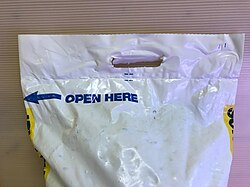
Plastic bag of water softener salt. A handle is die-cut through the thick plastic to allow carrying.: Plastic bag of water softener salt. A handle is die-cut through the thick plastic to allow carrying.
Key Facts
Inventor: The modern lightweight shopping bag was invented by Swedish engineer Sten Gustaf Thulin.
Global Usage: Approximately 1 to 5 trillion plastic bags are used and discarded annually worldwide.
Material: Most bags are made from polyethylene, a plastic derived from fossil fuels like petroleum and natural gas.
Environmental Lifespan: Non-compostable plastic bags can take up to 1,000 years to decompose through photodegradation (breaking down into smaller toxic parts via light).
Recycling: While 100% recyclable, plastic bags typically cannot be placed in curbside bins because they jam recycling machinery.
The History of the Plastic Bag
The evolution of the plastic bag began in the late 1950s when Curt Lindquist, CEO of the Swedish company Celloplast, experimented with heat-sealing plastic pieces. However, the breakthrough for the modern design came from Sten Gustaf Thulin. In the early 1960s, Thulin developed a method to create a seamless, one-piece bag by folding, welding, and die-cutting a flat tube of plastic. This design was patented in 1965 and offered a high load-carrying capacity.
By the mid-1980s, these bags became a staple for daily grocery shopping in developed nations, eventually replacing paper bags and other materials like glass and metal. In 1992, the Sonoco Products Company further innovated the industry with the "self-opening polyethylene bag stack," designed so that removing one bag automatically opens the next.
Diverse Applications and Design Features
Plastic bags are engineered for specific functions through various design options. Some include gussets (folds that allow the bag to expand) to increase volume, while others feature stand-up capabilities for retail shelves. Common variations include:
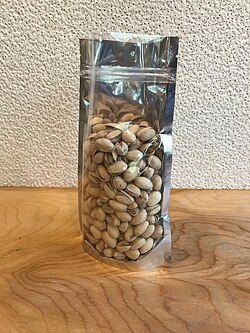
Food Packaging: Stand-up pouches for nuts, boil-in-the-bag nylon or polyester for frozen entrees, and porous bags for cooking rice or noodles.
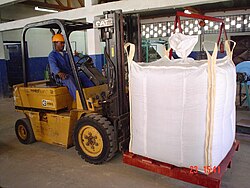
Industrial Use:Flexible Intermediate Bulk Containers (FIBC), also known as jumbo bags or super sacks, are used to transport dry, flowable materials weighing between 500 kg and 2,000 kg.
Medical Use: Non-porous films are used to isolate infectious fluids, while lightweight, flexible bags are used for intravenous therapy and protecting preterm infants from hypothermia.
Retail and Household: From milk bags and grocery bags to heavy-duty reusable options.
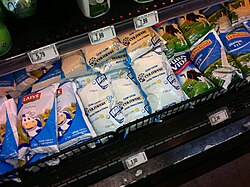
Milk bags: Milk bags
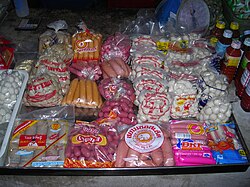
Different meat products of Thailand in plastic bags: Different meat products of Thailand in plastic bags
Summary of Bag Types and Uses
Comparison of Common Plastic Bag Applications
Bag Type
Primary Material/Feature
Common Use Case
Single-use Shopping Bag
Thin Polyethylene
Grocery and retail transport
FIBC (Bulk Bag)
Woven heavy-duty fibers
Industrial powders and flowables
Boil-in-bag
Tough nylon or polyester
Sealed frozen food preparation
Medical Bag
Sterile, non-porous film
Isolating fluids or IV therapy
Stand-up Pouch
Gusseted design
Retail shelf display (e.g., nuts)
Environmental Impact and Global Legislation
The environmental footprint of plastic bags is a significant concern. Because they are primarily made from petroleum, their production consumes substantial fossil fuel resources. Furthermore, improper disposal leads to severe ecological consequences. In the ocean, floating bags can resemble jellyfish, leading marine mammals and sea turtles to ingest them, which can cause premature death. Sea birds may also mistake plastic for food due to the growth of algae on the material.
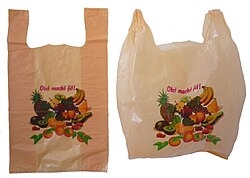
A German plastic shopping bag, freshly folded (left) and used (right): A German plastic shopping bag, freshly folded (left) and used (right)
To combat pollution, many regions have implemented bans or fees. For example, India has banned bags thinner than 50 microns, and cities like Montreal have introduced bans. In the United States, California passed a ban in 2014, later reinforcing it with a 2024 law to close loopholes regarding "reusable" thick plastic bags. However, some studies, such as those from Germany's Institute for Energy and Environmental Research, suggest that oil-based plastics—if recycled—may have a better life-cycle analysis than certain bioplastics due to the energy-intensive nature of raw-material production for the latter.
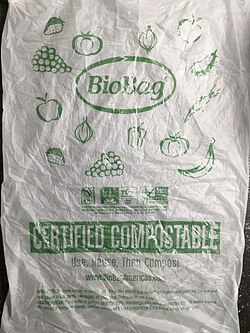
Compostable bag from a grocery store in Tulsa, Oklahoma: Compostable bag from a grocery store in Tulsa, Oklahoma
Frequently Asked Questions
Can plastic bags be recycled?
Yes, plastic bags are 100% recyclable, but they should not be placed in standard curbside recycling bins as they can jam the machinery. Instead, they should be taken to specific drop-off locations, such as major retail stores, that accept plastic film.
Why are plastic bags harmful to marine life?
Improperly discarded bags often end up in the ocean. They can be mistaken for food by sea turtles and other marine mammals, or they can attract algae that trick sea birds into eating them, leading to digestive issues and death.
What is the difference between biodegradation and photodegradation?
Unlike biodegradable materials, most plastic bags do not truly biodegrade. Instead, they undergo photodegradation, a process where sunlight breaks the plastic down into smaller, often toxic, fragments.
Are plastic bags more or less efficient than other packaging?
In terms of material usage, plastic bags often require less material than boxes, cartons, or jars, which can lead to minimized packaging. Some studies also suggest they have economic advantages due to their lightweight nature and high reuse rate for tasks like lining garbage bins.
Is there a danger to children regarding plastic bags?
Yes. Thin, conformable plastic bags, such as dry cleaning bags, pose a suffocation risk. This has led to the use of voluntary warning labels on many products to alert caregivers to the hazard.