Phallus Symbolism: A Global History of Fertility and Power
Throughout human history, the phallus—an object representing or resembling an erect penis—has served as a potent icon across diverse cultures. Far from being merely anatomical, phallic imagery often functions as a symbol of generative power, fertility, and the creative energies of nature. In art history, figures depicted with an erect penis are specifically described as ithyphallic.
The term itself finds its roots in the Latin phallus, which was borrowed from the Greek phallos. Etymologically, it is linked to the Proto-Indo-European root *bʰel-, meaning "to inflate" or "swell." This connection to swelling is reflected in various linguistic relatives, such as the Old Norse boli (bull) and the Greek word for whale.
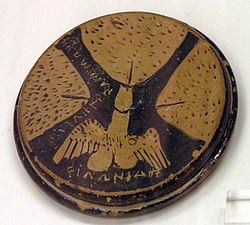
Key Facts
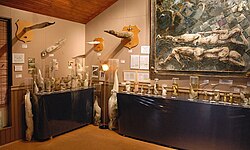
- Oldest Known Representation: The 28,000-year-old Hohle phallus found in Germany is among the earliest known examples.
- Cultural Function: Phallic symbols are frequently used in ancient cultures to ward off evil (apotropaic functions) and promote fertility.
- Religious Diversity: From the Hindu lingam to the Roman fascinum, phallicism is a global phenomenon.
- Psychological Theory: Modern psychoanalysts like Sigmund Freud and Jacques Lacan have used the phallus as a central concept in understanding desire and identity.
Archaeological Discoveries

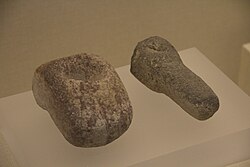
Archaeological evidence suggests that phallic representations have been central to human ritual for millennia. One of the most significant finds is the Hohle phallus, a 28,000-year-old siltstone object discovered in the Hohle Fels cave. This artifact stands as one of the oldest known phallic representations in existence.
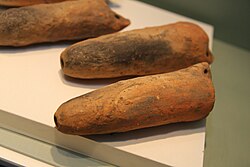
In Israel, excavations at Maresha revealed eighteen chalk models of circumcised phalli dating to before the late 2nd century BCE. These models, some retaining traces of red or black pigment, provide crucial historical insight. Because depictions of an exposed glans were generally considered indecent in Hellenistic art, these finds suggest that circumcision was practiced among the Idumaeans well before the Hasmonean conquest compelled the practice upon them.
Phallicism in Ancient Religions
Ancient Egypt and Greece
In Ancient Egypt, the phallus was deeply tied to the cult of Osiris. According to myth, after Osiris was dismembered, his penis was lost to the Nile, leading Isis to fashion a wooden replacement. The god Min was also frequently depicted as ithyphallic to symbolize fertility.
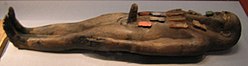
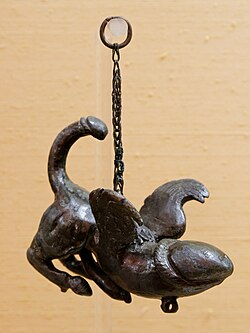
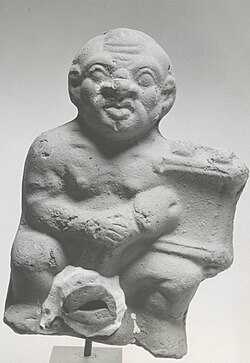
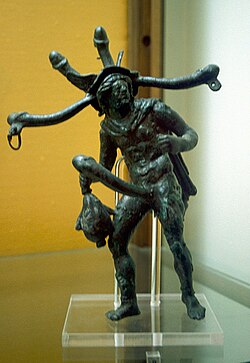
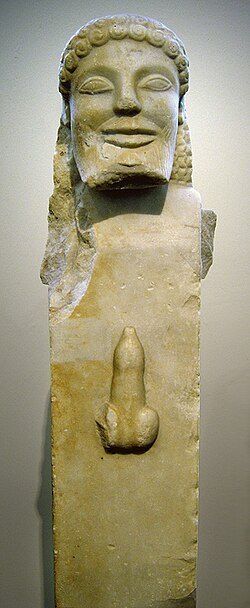
Greek mythology offers various phallic associations. The god Priapus, a protector of gardens and livestock, was characterized by an exaggerated phallus. Similarly, the god Pan was often depicted with ithyphallic features. In Rome, the fascinum (a phallic charm) was used ubiquitously to ward off the "evil eye," and children wore the bulla, an amulet containing a phallic charm, for protection.
Ancient India and Asia
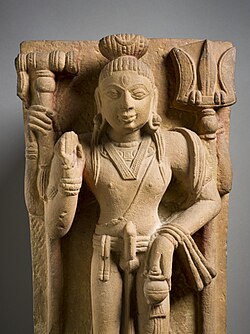
In Hinduism, the deity Shiva is widely worshiped in the form of the lingam. While the lingam is a complex religious symbol, many ancient stone versions, such as the 1.5-meter-tall Gudimallam Lingam in Andhra Pradesh, are clearly phallic in form. Evidence of lingam worship in India dates back to prehistoric times.
In East and Southeast Asia, phallic symbols appear in various contexts. In Bhutan, wooden phalluses are hung above doorways to deter evil spirits. In China, the Daoist tradition of fangzhongshu (arts of the bedchamber) viewed the management of sexual essence as vital to spiritual cultivation and longevity.
Scandinavia and the Americas
Norse mythology includes the phallic deity Freyr, representing love and fertility. In the Americas, Pre-Columbian cultures such as the Maya utilized phallic imagery, including large monolithic sculptures known as Xkeptunich, found in regions like the Yucatán.
Summary of Cultural Phallic Symbols
| Culture/Region | Primary Symbol/Deity | Primary Function/Meaning |
|---|---|---|
| Ancient Rome | Fascinum / Priapus | Protection from evil; garden fertility |
| Ancient Egypt | Min / Osiris | Generative power; rebirth |
| Hinduism | Lingam (Shiva) | Divine creative energy |
| Bhutan | Wooden Phalluses | Deterring evil spirits |
| Ancient Greece | Priapus / Pan | Protection of livestock and plants |
Modern Interpretations and Psychoanalysis
In the 20th century, the phallus moved from the realm of ritual to the realm of the mind. Sigmund Freud used the concept to explore human psychology, while Jacques Lacan developed a more complex theory. For Lacan, the phallus is a "transcendent signifier of desire," representing the difference between "being" and "having" the phallus in terms of sexual identity and social positioning.
In contemporary art, the phallus remains a provocative tool. For example, the sculptor Constantin Brâncuși caused a scandal in 1919 with his work Princess X, which used phallic imagery to represent the obsessions of Princess Marie Bonaparte.
Frequently Asked Questions
What does the term "ithyphallic" mean?
Ithyphallic is an art historical term used to describe a figure that is depicted with an erect penis.
How was the phallus used for protection in Ancient Rome?
Romans used phallic charms called fascinum and bronze wind chimes known as tintinnabula to ward off malevolent influences and the "evil eye." Children also wore phallic amulets called bulla.
What is the significance of the Lingam in Hinduism?
The lingam is a representation of the deity Shiva. It serves as a symbol of divine power and is found in many ancient temples, ranging from highly stylized forms to clearly phallic stone carvings.
Why were phallic symbols hung on houses in Bhutan?
In Bhutanese tradition, wooden phalluses are often hung above doorways specifically to act as a deterrent against evil spirits.
What is the difference between a penis and a phallus in symbolism?
While a penis refers to the biological organ, a phallus refers to an object that symbolically or iconically resembles a penis, often representing abstract concepts like fertility or power.