Pescara Calcio: A History of Resilience and Footballing Passion
The story of Pescara Calcio is one of dramatic peaks and challenging valleys. Known as the Biancazzurri (the white-and-blues), the club has spent decades navigating the complex tiers of the Italian football league system, evolving from a regional side into a team capable of competing at the highest level of the sport.
The Early Climb and First Taste of Glory
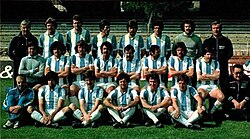
For much of its early existence, Pescara maintained a relatively quiet profile, with the exception of a brief stint in Serie B during the 1940s. The club's trajectory changed significantly in 1974 upon their promotion to Serie B. Driven by the midfield talents of Giorgio Repetto and Bruno Nobili, Pescara secured their first-ever promotion to Serie A (the top flight of Italian football) in 1977 after winning a promotion play-off.
However, the transition to the top tier was difficult; the club finished their debut season in last place. While they managed a second promotion via play-offs shortly after, they were again relegated and eventually slid further down to Serie C1 within two years.
The Galeone Era and Attacking Philosophy
The appointment of Giovanni Galeone as coach in 1986 sparked a revival. Galeone implemented a philosophy centered on aggressive, attacking football, which led the club to the Serie B championship and promotion to Serie A in 1987. During this period, the squad featured international stars such as Júnior and Blaž Slišković.
Galeone's influence remained strong, returning for the 1990–91 season to oversee another successful promotion campaign. Despite these highs, the 1990s were characterized by stability in Serie B, though the club narrowly missed another promotion in 1999.
Financial Turmoil and the Delfino Pescara Era
The early 2000s brought instability. After a relegation to C1 in 2001, the club experienced a strange period where two consecutive relegations were revoked due to bankruptcies and scandals involving other teams. However, the 2006–07 season saw a genuine decline, marked by three changes in both management and presidency.
By December 2008, the club's debts led to it being legally declared out of business, placing control in the hands of a bankruptcy trustee. A turning point arrived in February 2009 when a group called Delfino Pescara 1936 finalized a takeover. This era was notable not only for its financial restructuring but also for the appointment of Deborah Caldora, the first woman to serve as the club's chairman.
The Zeman Influence and Modern Returns
Under coach Eusebio Di Francesco, Pescara returned to Serie B in 2010. This set the stage for the arrival of Czech manager Zdeněk Zeman, whose legendary all-attacking style captured national attention. Zeman nurtured a squad of promising young talents, including Marco Verratti and loanees Ciro Immobile and Lorenzo Insigne.
On May 20, 2012, Pescara ended a 19-year absence from the top flight by defeating Sampdoria 3–1. Striker Riccardo Maniero scored a last-minute winner against Nocerina to secure the club's second Serie B title. While the 2012–13 Serie A campaign ended in relegation following the departure of Zeman and his key players, the club returned to the top flight again in 2016 under World Cup winner Massimo Oddo.
Recent Developments and the Road Back to Serie B
In 2018, the club innovated its financing by raising €2,300,000 through a public mini-bond investment via the Tifosy platform to improve facilities and the youth sector. The club also showed a community spirit during the coronavirus lockdown by adopting a jersey design created by six-year-old Luigi D'Agostino for the 2020 season.
After falling to Serie C following a poor 2020–21 campaign, Pescara fought their way back. During the 2024–25 season, they navigated a grueling play-off path, defeating Pianese, Catania, Vis Pesaro, and Audace Cerignola. In a tense final against Ternana, Pescara secured promotion to the 2025–26 Serie B via a 3–1 penalty shootout victory. They began their return to the second tier on August 23 with a match against Cesena.
Key Facts
- First Serie A Promotion: Achieved in 1977.
- Notable Managers: Giovanni Galeone and Zdeněk Zeman, both known for attacking philosophies.
- Historic Milestone: Deborah Caldora became the first female chairman in the club's history in 2009.
- Youth Development: Produced or hosted future stars like Marco Verratti, Ciro Immobile, and Lorenzo Insigne.
- Financial Recovery: Raised €2.3 million via mini-bonds in 2018 for youth and facility development.
| Era/Event | Key Figure/Detail | Outcome |
|---|---|---|
| 1977 Promotion | Repetto & Nobili | First entry into Serie A |
| 1987 Promotion | Giovanni Galeone | Serie B Champions |
| 2009 Takeover | Delfino Pescara 1936 | Financial rescue & new ownership |
| 2012 Promotion | Zdeněk Zeman | Second Serie B Title |
| 2025 Promotion | Play-off victory | Return to Serie B after 4 years |
Frequently Asked Questions
Who was the first woman to chair Pescara Calcio?
Deborah Caldora became the first woman to serve as the chairman of the club following the takeover by Delfino Pescara 1936 in February 2009.
What is the significance of Zdeněk Zeman to the club?
Zdeněk Zeman is renowned for his all-attacking playing style, which brought Pescara national attention and led them to a Serie B title and promotion to Serie A in 2012.
How did Pescara raise funds for its youth sector in 2018?
The club used the sports investment platform Tifosy to launch a public mini-bond opportunity, successfully raising €2,300,000.
How did Pescara return to Serie B for the 2025–26 season?
Pescara secured promotion by winning a series of play-offs in Serie C, ultimately defeating Ternana 3–1 in a penalty shootout in the finals.
Which famous players played for Pescara during the Zeman era?
Promising youngsters such as Marco Verratti, along with loanees Ciro Immobile and Lorenzo Insigne, were key parts of the squad during Zeman's tenure.