The Future of Farming: Can Perennial Grains Solve Agriculture's Sustainability Crisis?
In the world of agriculture, most of the grains that feed the planet—such as wheat, rice, and maize—are annuals. This means they grow, produce seeds, and die within a single growing season. To plant them again the following year, farmers must till the soil, a process that can lead to significant environmental challenges. However, a new frontier in agricultural science is looking toward perennial grains: crops that live and remain productive for two or more years.
While we are accustomed to seeing perennial plants in the form of fruits, nuts, or forage crops, the development of perennial versions of our primary grain crops could fundamentally change how we feed the world while protecting the planet.
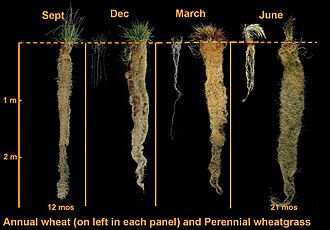
The Environmental Impact of Annual Agriculture
Current large-scale agriculture faces what scientists call a "central dilemma": the very methods used to produce food today may undermine the ability to produce food in the future. Because most grain crops are annuals, they require frequent cultivation and tilling of the soil. This practice puts soil at risk of erosion and degradation.
The 2005 Synthesis Report of the United Nations' Millennium Ecosystem Assessment labeled agriculture as the single largest threat to biodiversity and ecosystem function. The reliance on annual systems contributes to several environmental issues, including:
- Increased water usage and water pollution.
- Higher rates of soil erosion.
- Reduced carbon storage in the soil.
- Increased greenhouse gas emissions.
- Loss of natural habitat and biodiversity.
Most agricultural land is dedicated to cereal, oilseed, and legume crops, which occupy 75% of US and 69% of global croplands. Together, these grains provide over 70% of human food calories. Transitioning even a portion of this land to perennial systems could mitigate many of these risks.
How Scientists are Developing Perennial Crops
Developing perennial grains is a complex scientific challenge. While annual crops have been domesticated for nearly 10,000 years, no commercial perennial grains have been fully developed yet. This is partly because annuals are often easier to domesticate; they typically offer higher single-year yields and have shorter generation times, allowing for faster progress through artificial selection.
To accelerate the development of these crops, researchers use three primary methods:
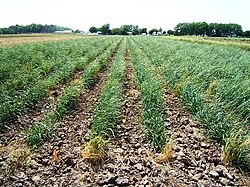
Perennialization
This method involves hybridizing existing annual crops with their perennial wild relatives. The goal is to combine the high-performing agronomic traits of domesticated annuals with the long-lived root systems of perennials. However, this is difficult because perennial traits are often polygenic—meaning they are controlled by multiple genes rather than a single one. Additionally, many hybrids are infertile, making it hard to breed beyond the first generation.
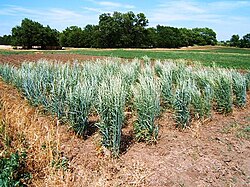
De Novo Domestication
Also known as accelerated domestication, this approach focuses on selecting wild herbaceous perennials that show potential for farming. Scientists look for specific traits such as:
- Yield: The amount of grain produced.
- Seed shattering: Reducing the tendency of seeds to fall off the plant before harvest.
- Free-threshing: Ensuring seeds easily detach from the chaff (the dry, protective casing).
- Plant height: Selecting for manageable growth.
Genetic Methods
Modern technology offers advanced tools like genomic selection, which allows scientists to predict a plant's future traits by analyzing its genome (its complete set of DNA) while it is still young. This significantly speeds up the breeding process. Researchers are also exploring transgenics and gene editing to target "domestication genes" and their orthologs—genes in different species that share similar sequences and functions.
The Advantages of Perennial Systems
Moving toward perennial grains offers several ecological and economic benefits:
- Improved Soil Health: Deep, long-lived root systems protect against erosion, improve soil microbiomes, and help sequester more carbon.
- Resource Efficiency: Perennials often have longer growing seasons, allowing them to intercept more sunlight and rainfall. Their deep roots can also "mine" nutrients more effectively, reducing the need for chemical fertilizers.
- Water Management: Perennial grasses can slow water runoff, allowing more water to soak into the ground and recharge groundwater systems. This leads to more consistent water levels in streams, benefiting fish and other wildlife.
- Sustainable Use of Marginal Lands: Perennials are better suited for environments at risk of severe erosion, providing food security in regions where annual cropping may not be sustainable.
Potential Challenges and Disadvantages
Despite the promise, there are significant hurdles to overcome. Perennial grains are still in the early stages of development and may not match the immediate yields of annuals. Furthermore, the slower pace of crop rotation in perennial systems could potentially allow for a buildup of pests or pathogens. There are also concerns regarding hydrological impacts, such as the potential for perennial plants to use more rainfall, which could affect local water tables.
Kernza: A Leading Example
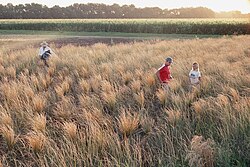
One of the most prominent success stories is Kernza, a trademarked name for grain produced from Thinopyrum intermedium (intermediate wheatgrass). Developed since the 1980s by researchers like Dr. Lee DeHaan at The Land Institute in Salina, Kansas, Kernza has seen rapid international expansion. Through intensive breeding, scientists have improved its yield, seed size, and resistance to seed shattering, allowing it to be marketed on a small scale.
Other innovations include the cultivar of perennial rice known as PR23, which is designed for no-tillage production systems.
Key Facts
- Perennial grains live and remain productive for two or more years.
- Annual grains (like wheat and maize) grow and are harvested in a single season.
- The Land Institute has been a leader in perennial crop development since the 1980s.
- Kernza is a commercially emerging perennial grain made from intermediate wheatgrass.
- Perennial systems can reduce soil erosion and improve carbon sequestration.
Comparison Summary
| Feature | Annual Grains | Perennial Grains |
|---|---|---|
| Life Cycle | One growing season | Two or more years |
| Soil Impact | Requires frequent tilling; higher erosion risk | Minimal tilling; protects soil structure |
| Root Systems | Shallow and ephemeral | Deep and long-lived |
| Resource Use | Higher dependence on annual fertilizer/water | Greater nutrient cycling and water retention |
Frequently Asked Questions
What is the main difference between an annual and a perennial grain?
The primary difference is the life cycle. Annual grains complete their entire life cycle—from germination to seed production—in one year and then die. Perennial grains live for multiple years, allowing them to regrow each season without being replanted.
Why haven't we been growing perennial grains for thousands of years?
Early humans likely domesticated annuals because they generally offer higher yields in a single year and have shorter generation times, which makes artificial selection faster. Additionally, the traditional practice of tilling soil to clear fields is incompatible with perennial plants.
How does a perennial grain help the environment?
Perennial grains help by building deep root systems that prevent soil erosion, sequestering more carbon in the ground, and reducing the need for chemical fertilizers and intensive tilling, which helps protect biodiversity and water quality.
Is Kernza available for consumption?
Yes, Kernza is being produced and marketed at a small scale. It is the result of decades of research into intermediate wheatgrass to make it a viable, high-quality grain crop.
Will perennial grains replace all current crops?
While they offer massive sustainability benefits, they are still in the early stages of development. They may take many years to achieve yields that are fully competitive with modern annual grains on a global scale.