Paralympic Disability Categories and Classification
The Paralympic Games are designed to ensure fair competition by grouping athletes based on the nature and impact of their impairments. This system of classification ensures that athletes compete against others with similar functional abilities, allowing athletic skill and training to be the deciding factors in victory.
Athletes are grouped into ten major categories across three primary disability types: physical impairment, visual impairment, and intellectual disability. These categories dictate which sports an athlete can enter and who their direct competitors will be.
Key Facts
- There are ten major categories of disability recognized in Paralympic sport.
- Physical impairments are subdivided into eight distinct types.
- Visual impairment ranges from partial vision (legally blind) to total blindness.
- Intellectual disability categories are reserved for elite athletes diagnosed before age 18.
- Sighted guides and blind football goalkeepers have been eligible for medals since 2012.
Physical Impairments
Physical impairment is the broadest group, encompassing eight different types of recognized conditions. These range from muscle power deficits to structural differences in the skeletal system.
Muscle Power and Range of Motion
- Impaired muscle power: A reduction in the force generated by muscles in one limb, one side of the body, or the lower half of the body. Common causes include polio, spina bifida, or spinal-cord injuries.
- Impaired passive range of movement: A systematic reduction in the range of movement in one or more joints. Note that acute conditions, such as arthritis, are excluded from this category.
Limb and Stature Deficiencies
- Loss of limb or limb deficiency: The partial or total absence of bones or joints resulting from trauma, illness, or congenital deficiencies such as dysmelia.
- Leg-length difference: Significant shortening of one leg caused by trauma or congenital deficiency.
- Short stature: Reduced standing height affecting the arms, legs, and trunk due to musculoskeletal deficits in cartilage or bone structures.
Neurological Impairments
Certain impairments result from damage to the central nervous system, often manifesting as a lack of muscle control.
- Hypertonia: An abnormal increase in muscle tension and a reduced ability for muscles to stretch, often seen in conditions like cerebral palsy.
- Ataxia: A lack of coordination in muscle movements, which can be caused by Friedreich’s ataxia or cerebral palsy.
- Athetosis: Characterized by involuntary, unbalanced movements and difficulty maintaining a symmetrical posture, often associated with choreoathetosis or cerebral palsy.
Visual and Intellectual Impairments
Visual Impairment
This category includes athletes with impairments to any component of the visual system, including the optic nerve pathway, visual cortex, receptors, or eye structure. The spectrum ranges from total blindness to partial vision sufficient to be judged legally blind.
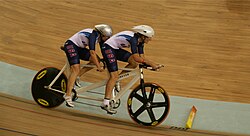
Because sighted guides are essential to the competition, they are considered part of a team with the athlete. Since 2012, these guides, as well as sighted goalkeepers in blind football, are eligible to receive medals.
Intellectual Disability
This category is for elite athletes diagnosed before the age of 18 who have significant impairments in intellectual functioning and limitations in adaptive behavior. While the International Paralympic Committee (IPC) primarily focuses on physical disabilities, this group is included in specific Paralympic Games. This is distinct from the Special Olympics World Games, which are open to all individuals with intellectual disabilities.
Competition Structure and Labeling
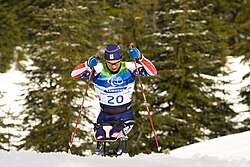
The disability category determines the competitive landscape. Some sports, such as cycling, are open to multiple categories, while others, like judo, are restricted to one. Competition styles vary by sport:
- Category-specific competition: In athletics, athletes from multiple categories may participate, but they only compete against others within their own specific category.
- Cross-category competition: In swimming, athletes from different disability categories may compete against one another.
Events are labeled to indicate the category. For example, "Men's Swimming Freestyle S1" denotes a severe physical impairment, while "Ladies Table Tennis 11" indicates an intellectual disability.
| Broad Category | Specific Types / Examples | Key Characteristics |
|---|---|---|
| Physical Impairment | Hypertonia, Ataxia, Athetosis, Short Stature, etc. | Muscle power, coordination, or limb deficiency. |
| Visual Impairment | Partial vision to total blindness | Impairment of the visual system; uses sighted guides. |
| Intellectual Disability | Intellectual functioning impairment | Diagnosed before age 18; limitations in adaptive behavior. |
Frequently Asked Questions
What is the difference between the Paralympics and the Special Olympics regarding intellectual disabilities?
The Paralympics include elite athletes with intellectual disabilities who were diagnosed before age 18. The Special Olympics World Games are open to all people with intellectual disabilities.
Do sighted guides receive medals in the Paralympics?
Yes, since 2012, sighted guides for visually impaired athletes and sighted goalkeepers in blind football have been eligible to receive medals.
What does a label like "S1" or "11" mean in a Paralympic event?
These labels indicate the disability category of the competitors. For instance, S1 in swimming refers to athletes with severe physical impairments, and 11 in table tennis refers to athletes with intellectual disabilities.
Are all physical impairments grouped together in every sport?
No. Some sports are restricted to one category, some allow multiple categories but keep them separate (like athletics), and some allow different categories to compete against each other (like swimming).
What is the difference between Ataxia and Athetosis?
Ataxia is characterized by a lack of muscle coordination, whereas Athetosis involves involuntary, unbalanced movements and difficulty maintaining a symmetrical posture.