P&O Scottish Ferries: Historic Routes and Vessel Traditions
P&O Scottish Ferries played a vital role in connecting the mainland of Scotland with its northern islands. By operating strategic maritime links, the company ensured the movement of passengers and goods across the challenging waters of the North Sea and the Pentland Firth.
Primary Service Routes
The company maintained several key corridors to facilitate travel to the Orkney and Shetland Islands. Their primary operations focused on three main routes:
- Aberdeen to Stromness: Connecting the east coast of the mainland to the Orkney Islands.
- Aberdeen to Lerwick: Providing a critical link to the Shetland Islands.
- Scrabster to Stromness: A shorter crossing specifically serving the route to Orkney.
These routes were essential for regional connectivity, linking major ports like Aberdeen and Scrabster with the island hubs of Stromness and Lerwick.
Vessel Naming Traditions
A distinctive characteristic of P&O Scottish Ferries was its commitment to naming conventions. Following the tradition established by the company that previously operated these routes, the majority of their vessels were named after saints.
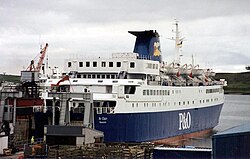
While there were one or two exceptions to this rule, the fleet predominantly featured hagiographic names, reflecting a deep-rooted maritime heritage. Notable examples of these vessels include the St Clair and the St Magnus.
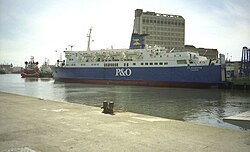
The naming of ships like the St Sunniva continued this legacy of honoring saints across the fleet's operational history.
Key Facts
- Main Ports: Aberdeen, Scrabster, Stromness, and Lerwick.
- Destinations: Orkney and Shetland Islands.
- Naming Convention: Vessels were typically named after saints.
- Notable Ships: St Clair, St Magnus, and St Sunniva.
| Departure Port | Destination Port | Region Served |
|---|---|---|
| Aberdeen | Stromness | Orkney Islands |
| Aberdeen | Lerwick | Shetland Islands |
| Scrabster | Stromness | Orkney Islands |
Frequently Asked Questions
Which mainland ports did P&O Scottish Ferries use?
The company operated services departing from Aberdeen and Scrabster.
Which islands were served by these ferry routes?
The services provided transport to the Orkney Islands (via Stromness) and the Shetland Islands (via Lerwick).
How were the P&O Scottish Ferries vessels named?
In keeping with the tradition of the preceding company, most vessels were named after saints, with only a few exceptions.
Can you name some of the ships in the fleet?
Examples of vessels include the St Clair, the St Magnus, and the St Sunniva.