Oxford English Dictionary: A Comprehensive History of the World's Greatest Lexicon
The Oxford English Dictionary (OED) is not merely a collection of definitions; it is a monumental historical record of the English language. Unlike standard dictionaries that focus on how words are used today, the OED is a historical dictionary, meaning it traces the evolution of words through time, documenting how meanings have shifted from their earliest recorded uses to the present day.
Spanning decades of research and multiple editions, the OED serves as the definitive authority on English vocabulary, capturing the nuances of obsolete terms, changing spellings, and the vast web of linguistic development.

Key Facts
- Nature: A historical dictionary documenting the evolution of English words.
- First Edition Publication: Released in installments between 1884 and 1928.
- Second Edition: Published in 1989, consisting of 20 volumes.
- Publisher: Oxford University Press.
- Core Methodology: Uses illustrative quotations to show how word meanings change over time.
The Origins and Early Challenges
Before the OED became the gold standard, existing English dictionaries faced significant limitations. Early lexicographers struggled with incomplete coverage of obsolete words, inconsistent treatment of related word families, and incorrect dating of a word's first appearance. Furthermore, there was often an inadequate distinction between synonyms and a lack of high-quality illustrative quotations to prove how words were actually used in context.
The drive to correct these deficiencies led to the creation of a project that would eventually redefine the field of lexicography—the art and science of compiling dictionaries.
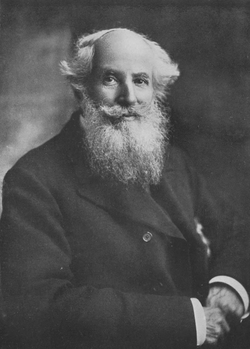
The Architects of the First Edition
The monumental task of the first edition was driven by dedicated editors and contributors. Key figures included Frederick Furnivall and the first editor, James Murray. The project relied heavily on a massive network of contributors who provided the evidence needed to build a truly historical record.
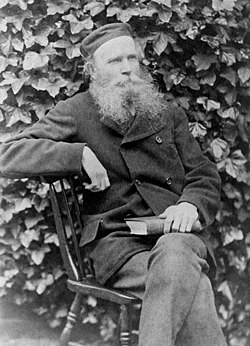
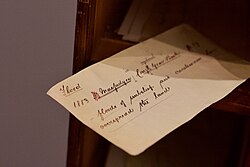
One notable contributor was William Chester Minor, whose involvement highlighted the global, collaborative effort required to compile such an expansive work. The process was painstaking, involving the collection of countless quotation slips to verify the historical usage of every entry.
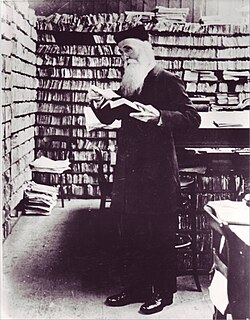
The Evolution of the OED Editions
The OED has undergone several major transformations, moving from massive printed sets to sophisticated digital formats.
The First Edition (1884–1928)
The first edition was published in stages, beginning with the 'A and B' volumes in 1888 and concluding with the final volumes in 1928. A supplement was later added in 1933 to ensure the work remained as comprehensive as possible.
The Second Edition (1989)
Edited by John Simpson and Edmund Weiner, the second edition was a massive undertaking published in 1989. This edition consisted of 20 volumes and was accompanied by an Additions Series, which introduced over 20,000 new illustrative quotations and 3,000 new words and meanings from across the English-speaking world.
Digital and Compact Formats
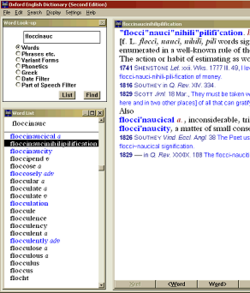
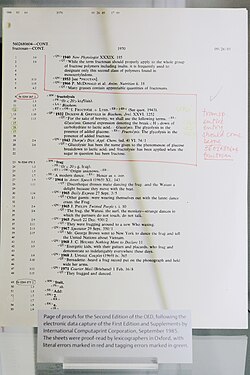
As technology advanced, so did the accessibility of the dictionary. The OED transitioned into electronic versions, including CD-ROMs and eventually online databases. These digital versions allowed for much larger datasets, including hundreds of thousands of words and millions of source quotations.
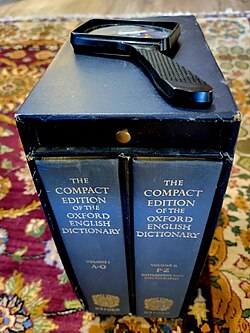
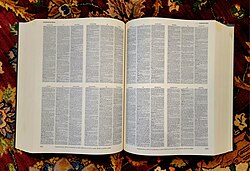
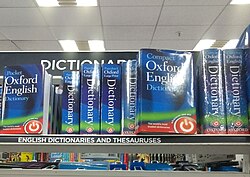
For those needing more portable options, various compact editions were developed. These versions provide a condensed look at the dictionary's wealth of information in a much smaller physical footprint.
Summary of Major OED Publications
| Edition/Series | Publication Period | Key Characteristics |
|---|---|---|
| First Edition | 1884–1928 | Initial historical compilation in multiple volumes. |
| Supplement | 1933 | Added to the first edition to expand coverage. |
| Second Edition | 1989 | 20 volumes; significant expansion of historical data. |
| Additions Series | 1993–1997 | Included 20,000+ quotations and 3,000 new words. |
| Electronic/CD-ROM | Various | Digital access to massive word and quotation databases. |
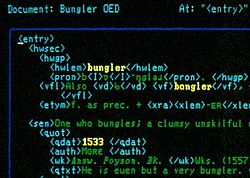
The transition to digital also involved complex technical processes, such as using SGML markup (Standard Generalized Markup Language) to computerize the entries, allowing for the modern searchable databases we use today.
Today, the OED continues to evolve, with a third edition in preparation, ensuring that the living history of the English language remains accurate and accessible for future generations.
Frequently Asked Questions
How is the OED different from a standard dictionary?
A standard dictionary typically focuses on current meanings and usage. The OED is a historical dictionary, meaning it tracks the history of words, showing how their meanings and spellings have changed from their earliest recorded use to the present.
Who was the first editor of the OED?
James Murray served as the first editor of the Oxford English Dictionary.
What are the "Additions Series" volumes?
The Additions Series was part of the second edition project, providing thousands of new words, meanings, and illustrative quotations to expand the existing dictionary content.
Does the OED include obsolete words?
Yes, one of the primary goals of the OED is to provide coverage of obsolete words and senses that are no longer in common use, preserving them as part of the language's history.
Can I access the OED digitally?
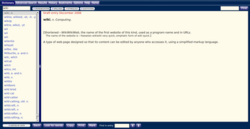
Yes, the OED is available through various electronic formats, including CD-ROM versions and an online platform (oed.com).