Discovering Ottawa: Canada's Vibrant Capital City
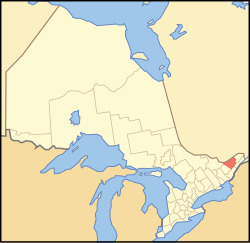
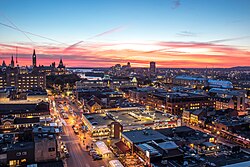
Ottawa, often affectionately known as "O-town," serves as both the provincial capital of Ontario and the federal capital of Canada. Situated in the southeastern part of Ontario, this dynamic city is a unique blend of historical significance, political power, and modern innovation. From its origins as a small settlement to its current status as a major metropolitan hub, Ottawa offers a rich tapestry of culture, architecture, and natural beauty.
A Journey Through History
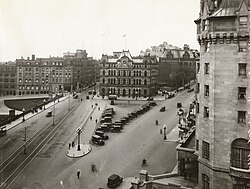
The history of Ottawa is deeply intertwined with the geography of the region. Long before European settlement, the area was shaped by natural forces, such as the ancient Champlain Sea.
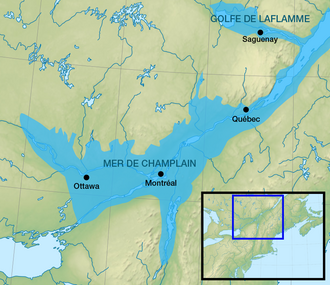
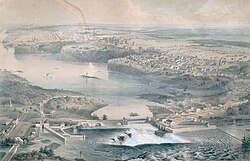
The modern history of the city began in 1826 when it was established as Bytown. Much of the early development was driven by the construction of the Rideau Canal, a project that attracted many labourers and land speculators to the area.
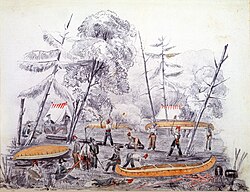
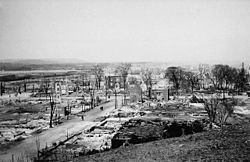
A pivotal moment occurred in 1857 when Queen Victoria selected the city as the permanent capital of the Province of Canada. By 1855, the settlement had incorporated as the City of Ottawa. As the city grew, it faced significant challenges, including the devastating 1900 Hull–Ottawa fire, which destroyed one-fifth of Ottawa and two-thirds of neighbouring Hull, Quebec.
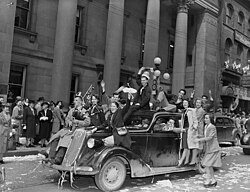
Throughout the 20th century, Ottawa continued to evolve, marking major historical milestones such as the end of World War II in 1945.
Geography and Urban Landscape
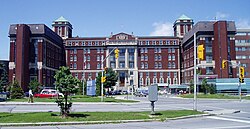
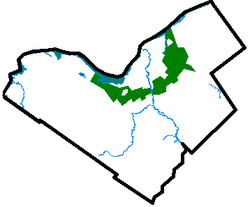
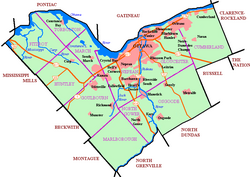
Ottawa is located on the south bank of the Ottawa River, with Gatineau situated directly across the water. The city's urban planning is characterized by a mix of dense central districts and sprawling suburbs. A notable feature of the city's layout is the National Capital Greenbelt, a large area of protected land surrounding the urban core.
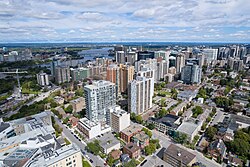
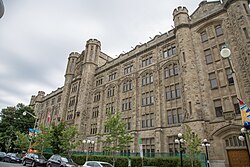
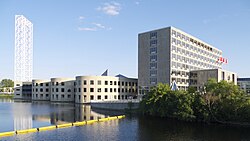
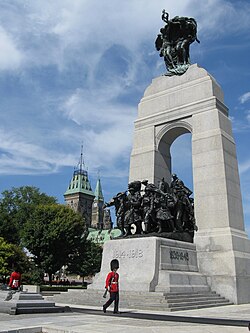
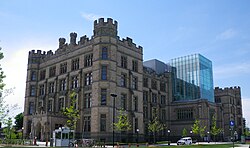
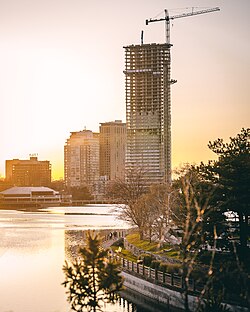
The city's architecture reflects its long history, ranging from early 20th-century landmarks like the Connaught Building, built in the Gothic Revival style, to more modern administrative structures.
For a detailed look at the city's layout, including historical communities and urban zones, a map is essential for navigation.
Demographics and Economy
As of the 2021 census, Ottawa is a diverse and growing metropolis with a population of over one million residents. The city is officially bilingual, with a significant population speaking both English and French.
Population and Language
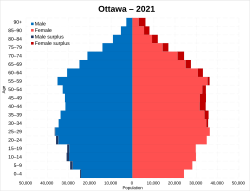
The city's demographic makeup is reflected in its population pyramid and its diverse religious and linguistic groups. While English is the most common language, French and other languages play a vital role in the community's identity.
Economic Drivers
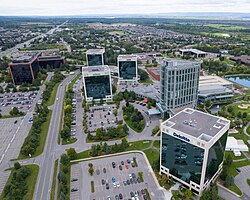
Ottawa boasts a robust economy with a nominal GDP of CA$106 billion (as of 2022). The city is a major hub for technology, home to the Kanata Research Park, which is Canada's largest technology park. This innovation-driven economy is supported by a strong presence of government institutions and educational facilities.
Education and Culture
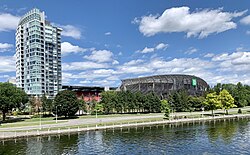
Ottawa is a significant center for higher education and research. The city is home to several prominent institutions, including the University of Ottawa, the oldest post-secondary institution in the city, established in 1848, as well as Carleton University and Saint Paul University.
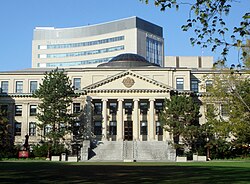
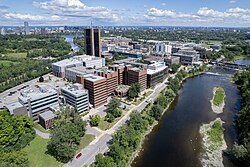
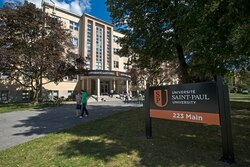
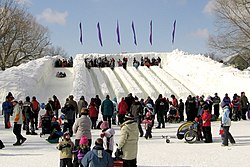
Culturally, Ottawa offers a wealth of experiences. From the retail and entertainment bustle of the ByWard Market to world-class institutions like the National Gallery of Canada and the Canadian Museum of Nature, there is something for every interest. The city also celebrates its seasons with annual events like Winterlude.
Transportation and Infrastructure
The city is well-connected through various modes of transport. Public transit is provided by OC Transpo, which includes the O-Train, a light rail service. The transit network is designed to move residents efficiently through the urban and suburban areas.
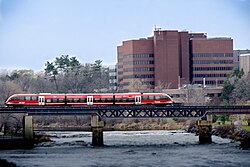
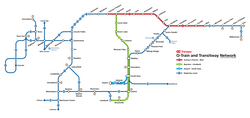
For those who prefer active transportation, the Capital Pathway provides a multi-use trail that links various sites throughout the National Capital Region.
Key Facts
- Established: 1826 (as Bytown)
- Population (2021): 1,017,449
- Status: Federal and Provincial Capital
- Major Economic Sector: Technology and Government
- Largest Tech Park: Kanata Research Park
- Primary Languages: English and French
Summary of Ottawa Statistics
| Category | Value |
|---|---|
| City Population (2021) | 1,017,449 |
| Metro Population (2021) | 1,488,307 |
| Metro GDP (2022) | CA$106 billion |
| Land Area | 2,788.20 km² |
| Time Zone | UTC−05:00 (EST) |
Frequently Asked Questions
What was Ottawa called before it was incorporated?
Before becoming the City of Ottawa, the settlement was known as Bytown, established in 1826.
Is Ottawa a bilingual city?
Yes, Ottawa has a significant bilingual population. According to 2021 census data, a large portion of the population speaks English, French, or both.
What is the main source of economic growth in Ottawa?
Ottawa's economy is driven by government services and a massive technology sector, highlighted by the Kanata Research Park.
How is the climate in Ottawa?
Ottawa experiences a wide range of temperatures. Summers can be quite warm, with mean maximum temperatures around 32.6°C in July, while winters are cold, with mean minimum temperatures often dropping below freezing.
What are the major transportation options in the city?
Residents and visitors can use the OC Transpo public transit system, which includes the O-Train light rail, or utilize the extensive network of streets, highways, and multi-use trails like the Capital Pathway.