Ostend: The Resilient Queen of the Belgian Coast
Perched on the shores of the North Sea in the province of West Flanders, Ostend (known as Oostende in Dutch) is a city defined by its relationship with the water. From its humble beginnings as a fishing village to its era as a royal playground and its survival through the devastation of two World Wars, Ostend has evolved into a vibrant hub of culture, tourism, and maritime commerce.
Today, the city blends a rich historical legacy with modern leisure, attracting hundreds of thousands of visitors annually to its wide promenades and world-class art galleries.
Key Facts
- Location: West Flanders, Belgium.
- Population: 71,557 (as of January 1, 2022).
- Status: Known as the "queen of the Belgian sea-side resorts."
- Historical Significance: Site of the bloodiest battle of the Eighty Years' War.
- War Record: The most bombed city in Belgium during World War II.
- Cultural Highlights: Home to the James Ensor museum and Mu.Zee modern art museum.
A Journey Through History
Middle Ages and Early Development
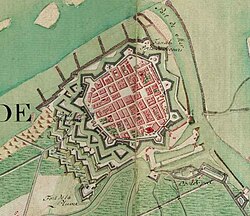
In the Early Middle Ages, Ostend began as a small village on the east-end (oost-einde) of an island called Testerep. By 1265, it achieved town status, gaining the right to hold a market and build a market hall. Fishing served as the primary economic driver, though the unstable coastline forced residents to relocate behind large dikes in 1395 to escape the encroaching sea.
Strategic Conflict and Global Trade
Due to its strategic harbor, Ostend became a frequent target for conquering armies. The most devastating event was the Siege of Ostend (1601–1604), a brutal conflict between the Spanish and the Dutch that resulted in over 80,000 casualties. This battle remains the bloodiest of the Eighty Years' War.
By the 18th century, Ostend rose in importance as an alternative sea exit when the Dutch closed the Westerschelde entrance to Antwerp. Under the Austrian Empire, Emperor Charles VI granted the town a trade monopoly with Africa and the East Indies, leading to the creation of the Ostend Company, though diplomatic pressure from Britain and the Netherlands forced its dissolution in 1727.
The Royal Era and the 19th Century
The 19th century saw Ostend transform into a luxury destination. The arrival of a railway connection to Brussels in 1838 and the first ferry to Dover in 1846 established the city as a vital transit hub to England. The city's prestige grew significantly under the patronage of Kings Leopold I and Leopold II, who spent their holidays there.
To accommodate the royal family and the Belgian aristocracy, grand monuments and villas were constructed, including the Royal Galleries and the Hippodrome Wellington. This era cemented Ostend's reputation as the premier seaside resort of Belgium.
The Impact of the World Wars
The 20th century brought unprecedented destruction. During World War I, the city fell to German forces in October 1914, who used it as a base for submarines. Between the wars, the city enjoyed a brief respite, hosting polo and sailing events for the 1920 Summer Olympics.
World War II was even more catastrophic. Between May and June 1940, the city suffered repeated bombing raids by the Luftwaffe, destroying the city hall, archives, and priceless artworks by James Ensor and Léon Spilliaert. Subsequently, the Royal Air Force targeted the city to prevent Germany from using it as a launch point for an invasion of England. With 407 Allied bombs dropped, Ostend became the most bombed city in Belgium.
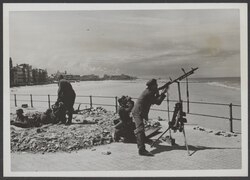
Following the liberation by Canadian troops on September 8, 1944, the city underwent a modernist reconstruction. Many ruined luxury hotels and historic homes were replaced by apartment blocks to meet the growing demands of the tourism sector.
Culture, Sights, and Modern Life
Modern Ostend is a center for art and seasonal festivities. The Mu.Zee museum showcases modern art from the 1830s to the present, featuring local masters like Constant Permeke and the COBRA movement. Art lovers can also visit the former home of painter James Ensor.
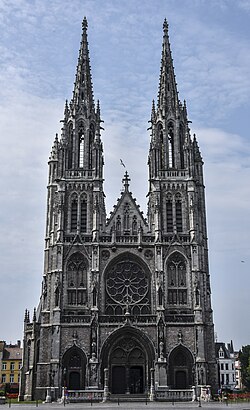
Architectural landmarks include the Neo-Gothic St Petrus and St Paulus Church and the historic Fort Napoleon.
The city is also famous for its winter attractions. The "Winter in the Park" festival and one of Europe's largest Christmas markets draw over 600,000 visitors every December, featuring ice skating and elaborate light shows.
City Overview and Climate
Ostend maintains a temperate maritime climate, characterized by moderate temperatures and consistent precipitation throughout the year.
| Category | Details / Data |
|---|---|
| Total Area | 40.95 km² |
| Population (2022) | 71,557 |
| Annual Precipitation | 800.9 mm |
| Average Daily Mean Temp | 10.5°C |
| Record High Temp | 37.8°C |
| Record Low Temp | -15.0°C |
Frequently Asked Questions
Why is Ostend called the "queen of the Belgian sea-side resorts"?
This title stems from the 19th century when the Belgian royal family, specifically Kings Leopold I and Leopold II, frequented the city. Their presence attracted the Belgian aristocracy, leading to the construction of lavish villas and monuments.
What is the historical significance of the Siege of Ostend?
Taking place between 1601 and 1604, the Siege of Ostend was the bloodiest battle of the Eighty Years' War, resulting in more than 80,000 dead or wounded.
Which museums are must-visits in Ostend?
The Mu.Zee is the primary museum for modern art, while the James Ensor museum offers a look into the life and work of the famous local painter in his former residence.
How did World War II change the city's architecture?
Because Ostend was the most bombed city in Belgium, many historic buildings were destroyed. After the war, instead of restoring the ruins, the city opted for modernist apartment blocks to support the tourism industry.
What are the main transport links for Ostend?
The city is served by the Ostend–Bruges International Airport, which primarily handles freight and some leisure flights. While it once had famous ferry routes to Dover and Ramsgate, these services ended in 2013.