Ore Deposits: Geology, Classification, and Economic Mineral Extraction
In the study of geology, ore is defined as natural rock or sediment containing one or more valuable minerals—typically metals—concentrated at levels significantly higher than the average background concentration. For a rock to be classified as an ore, it must be economically viable to mine and process. This economic feasibility is determined by the ore grade, which is the concentration of the desired material within the rock.
The decision to mine a deposit involves weighing the market value of the contained minerals against the costs of extraction and refining. When a single ore body contains multiple valuable minerals, it is referred to as a complex ore.

Key Facts
- Ore Grade: The concentration of the target mineral; higher grades are generally more profitable.
- Ore Genesis: The collective geological processes that form ore bodies.
- Processing: Ores are extracted via mining and often refined through smelting (heating ore to extract base metals).
- Composition: Most ores consist of oxides, sulfides, silicates, or native metals.
- Environmental Impact: Certain ore compositions can pose risks to human health and local ecosystems.
Types of Ore Deposits
Ore bodies are classified based on the geological processes that created them, a field of study known as ore genesis. These deposits are generally categorized into several primary types:
Magmatic Deposits
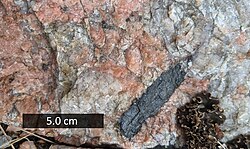
These deposits originate directly from the cooling and crystallization of magma. Examples include certain nickel and platinum group element deposits.
Hydrothermal and Porphyry Deposits
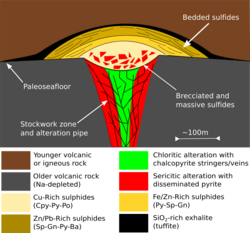
Hydrothermal deposits form from hot, mineral-rich fluids circulating through the Earth's crust. Porphyry copper deposits are a significant subtype of these, often associated with igneous intrusions.
Sedimentary Deposits
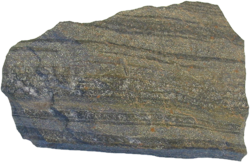
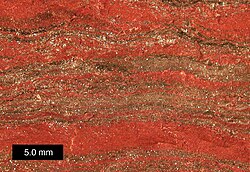
These form through the accumulation of minerals in sedimentary environments. This includes manganese nodules on the ocean floor and banded iron formations.
Metamorphic Deposits
These are created when existing rocks are subjected to intense heat and pressure, altering their mineral composition and concentrating valuable elements.
Important Ore Minerals and Their Uses
Minerals are categorized into metal and non-metal ores. Metal ores provide the raw materials for everything from aerospace engineering to electronics, while non-metal ores are essential for construction and industrial manufacturing.
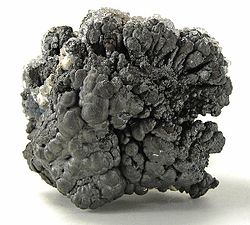
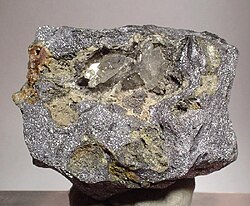
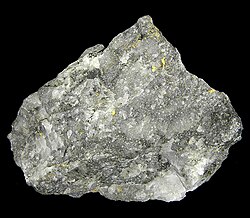
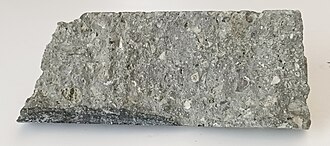
| Metal/Mineral | Primary Ore Mineral(s) | Common Uses |
|---|---|---|
| Aluminum | Gibbsite, Bauxite | Alloys, lightweight applications |
| Copper | Chalcopyrite, Malachite, Bornite | High conductivity, corrosion resistance |
| Iron | Banded Iron Formations | Steel, construction |
| Gold | Native gold (Placer deposits) | Electronics, jewelry, dentistry |
| Lead | Galena | Batteries, radiation shielding |
| Lithium | Lepidolite | Batteries, ceramics |
| Tungsten | Wolframite, Scheelite | Filaments, electronics |
| Diamond | Kimberlites | Cutting tools, jewelry |
| Graphite | Metamorphic rocks | Lubricants, industrial molds |

Frequently Asked Questions
What is the difference between a mineral and an ore?
A mineral is a naturally occurring inorganic solid with a definite chemical composition. An ore is a specific type of mineral-bearing rock that contains enough valuable material to be mined for a profit.
What does "ore grade" mean in mining?
Ore grade refers to the concentration of the desired metal or mineral within the ore. A "high-grade" ore has a high concentration of the target material, making it more economically attractive to extract.
How is metal extracted from ore?
The process typically begins with mining to extract the rock, followed by processing to separate the valuable minerals from the waste rock. The final extraction of the metal often involves smelting, which uses heat to chemically reduce the ore.
What are complex ores?
Complex ores are deposits that contain more than one valuable mineral. These require more sophisticated processing techniques to separate the different metals efficiently.
What are the primary types of ore deposits?
The primary types include magmatic deposits (from magma), hydrothermal deposits (from hot fluids), sedimentary deposits (from accumulation in sediments), and metamorphic deposits (from heat and pressure).