Order of Saint Benedict
The Order of Saint Benedict (abbreviated as O.S.B.) is one of the oldest and most influential religious orders within the Catholic Church. Founded in 529 AD by Benedict of Nursia, the order established a blueprint for Western monasticism that emphasizes a balanced life of prayer, work, and study. From its humble beginnings at Subiaco Abbey, the order grew into a global network of monasteries that preserved classical knowledge and shaped the spiritual landscape of Europe and beyond.
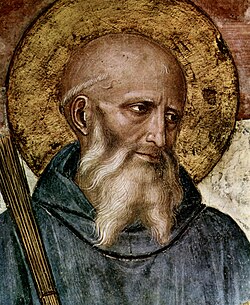
Key Facts
- Founder: Benedict of Nursia (c. 480–547), the Patron Saint of Europe.
- Established: 529 AD at Subiaco Abbey.
- Headquarters: Sant'Anselmo all'Aventino.
- Current Membership: 6,802 members, including 3,419 priests (as of 2020).
- Governance: Organized under the Benedictine Confederation, led by the Abbot Primate (currently Jeremias Schröder, OSB).
Historical Development and Global Reach
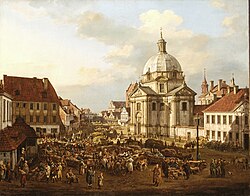
The Benedictine tradition is characterized by its stability and its role as a center of culture and learning. The order's influence spread rapidly across Europe, establishing significant presences in Austria, Germany, France, Poland, Lithuania, Switzerland, and the United Kingdom. In England, Benedictine monastic libraries became critical repositories of knowledge during the Middle Ages.
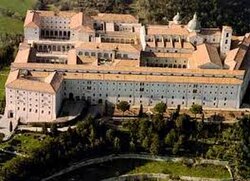
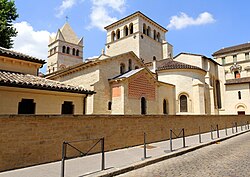
The order's architectural legacy is evident in the grand abbeys and basilicas constructed over the centuries, reflecting the blend of spiritual devotion and artistic achievement. These sites served not only as places of worship but as economic and educational hubs for their surrounding communities.
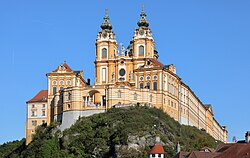
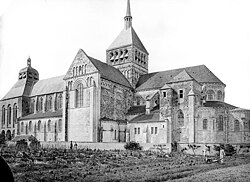
Over time, the order expanded to the United States and other parts of the world, continuing its mission of monastic stability and service. The Benedictine influence is often associated with the development of French Romanesque architecture and the creation of various offshoot orders, such as the Cistercians and Trappists.
Monastic Life and Organization
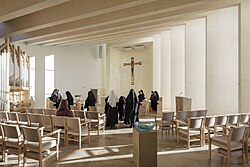
Life within the Order of Saint Benedict is governed by the Rule of Saint Benedict, which outlines the vows and daily routines of the monks and nuns. This lifestyle is centered on the concept of ora et labora (pray and work), ensuring that spiritual growth is balanced with practical contribution to the community.
The order is not a single centralized entity but a confederation of autonomous monasteries. While they share a common rule and spiritual heritage, each abbey maintains its own internal governance. The Abbot Primate serves as the representative of the confederation, though the individual abbots hold primary authority over their respective houses.
The Saint Benedict Medal
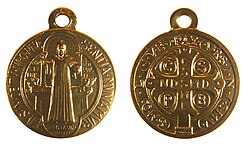
A prominent symbol of the order is the Saint Benedict Medal, used by many Catholics for spiritual protection and as a reminder of the founder's teachings. The medal features specific designs on both the obverse and reverse sides that carry deep theological meaning.
Notable Figures of the Order
The Benedictine Order has produced a vast number of saints, scholars, and leaders who have influenced Western civilization. Among the most prominent are Bede the Venerable, known as the "Father of English History," and Hildegard of Bingen, a mystic and Doctor of the Church.
The order has also seen members ascend to the highest levels of church leadership, including several Popes such as Sylvester II, Paschal II, Gelasius II, Clement VI, and Gregory XVI. Beyond the clergy, the order has welcomed oblates—laypeople who associate themselves with the monastery without taking full monastic vows—including figures like Dorothy Day and Walker Percy.
| Category | Details |
|---|---|
| Founded | 529 AD |
| Founder | Benedict of Nursia |
| Primary Focus | Prayer, Work, and Study |
| Key Organization | Benedictine Confederation |
| Notable Members | Bede the Venerable, Hildegard of Bingen, Pope Gregory XVI |
| Global Presence | Europe, North America, and beyond |
Frequently Asked Questions
Who founded the Order of Saint Benedict?
The order was founded by Benedict of Nursia around 529 AD, starting at Subiaco Abbey. He is recognized as the Patron Saint of Europe.
What is the difference between a monk and an oblate?
Monks are fully professed members of the order who live within the monastery under the Rule of Saint Benedict. Oblates are laypeople or secular clergy who commit themselves to the Benedictine spirit and associate with a monastery without living in it full-time.
What is the Benedictine Confederation?
The Benedictine Confederation is the organizational structure that unites the various autonomous Benedictine monasteries, providing a framework for cooperation and representation through the Abbot Primate.
What is the significance of the Saint Benedict Medal?
The Saint Benedict Medal is a sacramental used by the faithful for spiritual protection and as a symbol of the order's commitment to fighting spiritual evil and following the teachings of Saint Benedict.
Which other orders are related to the Benedictines?
Several other religious orders emerged from the Benedictine tradition, most notably the Cistercians and the Trappists, who sought a stricter adherence to the original Rule of Saint Benedict.