Understanding Old Norse: The Language of the Northmen
Old Norse, also known as Old Nordic or Old Scandinavian, is the historical language spoken by the Norsemen and their descendants. It is a member of the North Germanic language family, which itself belongs to the broader Indo-European lineage. From the 8th century, when it evolved from Proto-Norse, until the 15th century, when it branched into various modern North Germanic languages, Old Norse served as a vital medium of communication across vast territories.
The reach of Old Norse was extensive, stretching far beyond the borders of modern Scandinavia. Its speakers established settlements in Iceland, the Faroe Islands, Greenland, and even Newfoundland. The language's influence also extended to Great Britain, Ireland, the Isle of Man, Normandy, and as far east as the Volga region.
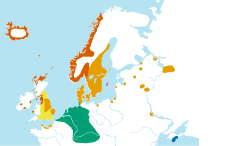
Key Facts
- Language Family: Indo-European > Germanic > North Germanic.
- Era: Evolved from Proto-Norse in the 8th century; transitioned to modern languages by the 15th century.
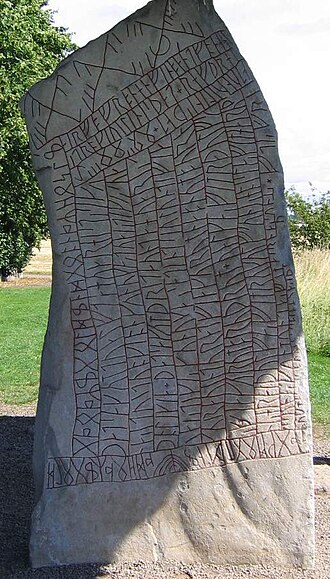
- Writing Systems: Originally written in Runes, later transitioning to the Latin alphabet.
- Primary Regions: Scandinavia, Iceland, Faroe Islands, Greenland, and various Norse settlements in Europe and North America.
- Dialectal Split: Divided into Old West Norse and Old East Norse.
The Structure and Sound of Old Norse
Phonology and Vowels
The sound system of Old Norse was complex, featuring a rich array of vowels categorized by their position in the mouth (front vs. back) and whether the lips were rounded or unrounded. The language utilized various vowel lengths and qualities, including close, mid, and open sounds.
For example, the language distinguished between unrounded front vowels like /i/ and rounded front vowels like /y/. This distinction is crucial for understanding how words evolved into their modern descendants. The following table illustrates how certain Proto-Germanic sounds transformed into Old Norse:
| Proto-Germanic | Old Norse | Meaning |
|---|---|---|
| *landą | land | land |
| *manniz | menn | men |
| *sangwaz | sǫngr | song |
| *mālijan | mæla | to speak |
| *mikilaz | mikill | great |
Consonants and Accents
The consonant system of Old Norse included various types of sounds: plosives (like p, b, t, d, k, g), fricatives (such as f, v, s, and the dental fricative ð), nasals (m, n), trills (r), glides (j, w), and laterals (l). These sounds, combined with specific accent patterns, formed the unique phonetic identity of the language.
Grammar and Morphology
Old Norse was a highly inflected language, meaning the endings of words changed depending on their grammatical role in a sentence. This included distinctions in gender (masculine, feminine, and neuter) and case (Nominative, Accusative, Genitive, and Dative).
Noun Declension Example
To see how a noun like armr (arm) changes, consider the following declension pattern:
- Nominative Singular: armr
- Accusative Singular: arm
- Genitive Singular: arms
- Dative Singular: armi
Pronouns and Numbers
The language possessed a structured system for pronouns and counting. For instance, the word for "I" evolved from the Proto-Germanic *ek to the Old Norse ek. Numbers also followed specific patterns, such as einn (one), tveir (two), and þrír (three).
Dialects and Modern Descendants
Old Norse is generally categorized into two main dialect groups:
- Old West Norse: This branch includes Old Icelandic and Old Norwegian. It is the ancestor of modern Icelandic and Faroese.
- Old East Norse: This branch includes Old Danish and Old Swedish. It is the ancestor of modern Danish and Swedish.
While the dialects differed, they shared a common foundation. For example, the word for "eagle" shows the progression from Old West Norse ǫrn to Old East Norse ørn, eventually becoming öörn in modern Swedish and örn in modern Icelandic.
Frequently Asked Questions
What is the difference between Old Norse and Old West Norse?
Old Norse is the umbrella term for the entire language group. Old West Norse is a specific dialectal branch of Old Norse that includes Old Icelandic and Old Norwegian.
How was Old Norse written?
Originally, Old Norse was written using the Runic system. As the era progressed and contact with other cultures increased, the Latin alphabet (the Old Norse alphabet) became the standard writing system.
Did Old Norse influence the English language?
Yes. Old Norse had a significant influence on English, contributing various words and linguistic elements, particularly through the interactions during the Viking Age.
What are the main modern languages descended from Old Norse?
The primary modern descendants are Icelandic, Faroese, Swedish, Danish, and Norwegian.
Is Old Norse the same as Old Icelandic?
Old Icelandic is a specific variety within the Old West Norse dialect group. While they are closely related, "Old Norse" refers to the broader language family.