Oireachtas na Gaeilge: Celebrating the Heritage of the Irish Language
The Oireachtas na Gaeilge is a cornerstone of Irish cultural identity, serving as a premier festival dedicated to the promotion and preservation of the Irish language. Established during a period of cultural awakening, the festival has evolved from a modest half-day gathering into a nationwide celebration of music, literature, and dance.
The Origins and Evolution of the Festival
The inaugural Oireachtas na Gaeilge was organized in 1897 by Conradh na Gaeilge (the Gaelic League). The league envisioned the event as a catalyst for a renaissance in traditional Irish arts and culture. The first festival took place in the Round Room of Dublin's Rotunda, which was one of the city's largest halls at the time. Despite lasting only half a day, the event drew over a thousand attendees, signaling an unexpected and profound public interest in the Gaelic revival.
In its early years, the festival focused heavily on literary pursuits rather than the performing arts. The original competitions were primarily academic and creative, featuring five categories for prose essays, two for poetry, one for poetry compilations, and competitions for new song compositions and unpublished stories or songs in Irish. Recitation was also a key component of the early program.
While the festival achieved significant milestones, such as staging the first Irish-language opera, its popularity declined in the early twentieth century. This led to several cancellations during the 1920s and 1930s. However, the festival saw a modern revitalization starting in the 1990s. Under the Directorship of Liam Ó Maolaodha, organizers introduced youth-oriented events, including discos and outings, to attract younger Irish speakers.
Major Competitions and Artistic Traditions
Originally rooted in Dublin, the festival began rotating through various cities and towns across Ireland in the 1970s. Today, the event culminates in four prestigious weekend competitions that highlight the depth of Irish oral and physical traditions:
- Corn Uí Riada: A premier sean-nós (old-style, unaccompanied) singing competition open to all ages and genders.
- Comórtas na mBan: A sean-nós singing competition specifically for women.
- Comórtas na bhFear: A sean-nós singing competition specifically for men.
- Comórtas Damhsa ar an Sean Nós: A free-style dancing competition, often referred to as "Steip."
While the Conamara individual step style is currently the most popular form practiced in the dance competition, the event continues to welcome and include various other regional dancing styles.
The Corn Uí Riada has been won by esteemed artists including Áine Uí Cheallaigh, Lillis Ó Laoire, Máirtín Tom Sheánín Mac Donnchadha, Mícheál Ó Confhaola, and Ciarán Ó Con Cheanainn (the 2008 winner from An Spidéal, County Galway). Most recently, Colm Jimmy Ó' Curraoin claimed the title in 2023.
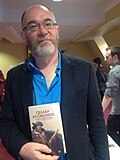
The Irish Language Book of the Year Awards
Beyond performance, the Oireachtas hosts the most prestigious literary and publishing awards in the Irish language. Each year, books are shortlisted across three distinct categories to recognize excellence in writing and translation:
- Gradam Uí Shúilleabháin: Book of the Year for Adults.
- Gradam Réics Carló: Book of the Year for Children.
- Gradam de Bhaldraithe: Book of the Year Translated into Irish from another language.
Key Facts
- Founded: 1897 by Conradh na Gaeilge.
- First Venue: The Round Room of Dublin's Rotunda.
- Core Focus: Preservation of Irish language, sean-nós singing, and traditional dance.
- Premier Singing Award: Corn Uí Riada.
- Literary Awards: Three categories covering adult, children's, and translated literature.
- Modern Shift: Moved from a fixed Dublin location to rotating venues across Ireland in the 1970s.
Venue History
The festival has traveled extensively to ensure accessibility for speakers across the island. Below is a summary of recent and historical locations.
| Year(s) | Venue | Notes |
|---|---|---|
| 2025 | Belfast | Upcoming |
| 2022–2024 | Killarney | - |
| 2020 | Galway | Cancelled due to COVID-19 |
| 2019 | Dublin | - |
| 2016–2018 | Killarney | - |
| 2015 | Dublin | - |
| 1997 | Belfast | - |
| 1939–1973 | Dublin | Fixed location period |
| 1924–1938 | N/A | No Oireachtas held |
| 1897–1912 | Dublin | Founding years |
Frequently Asked Questions
What is sean-nós singing?
Sean-nós is an "old-style" of unaccompanied solo singing in the Irish language, characterized by its traditional ornamentation and emotional delivery.
Who organizes the Oireachtas na Gaeilge?
The festival was originally organized by Conradh na Gaeilge (the Gaelic League) as part of a broader movement to revive Irish arts and culture.
What are the main literary awards given at the festival?
The festival presents the Gradam Uí Shúilleabháin (Adults), Gradam Réics Carló (Children), and Gradam de Bhaldraithe (Translations).
Where is the festival held?
While it was originally based in Dublin, since the 1970s it has been held in various cities and towns throughout Ireland, including Killarney, Galway, Belfast, and Letterkenny.
What is the Corn Uí Riada?
The Corn Uí Riada is the most prestigious sean-nós singing competition at the festival, open to participants of all genders and ages.