Ogden Museum of Southern Art: A Cultural Landmark in New Orleans
Located in the heart of the Warehouse Arts District in downtown New Orleans, the Ogden Museum of Southern Art serves as a premier institution dedicated to the diverse creative output of the southern United States. Established in 1999, the museum provides a vital space for the preservation and exhibition of art that reflects the unique history, memory, and sense of place inherent to the American South.
The museum is a Smithsonian Affiliate, positioning it within a prestigious network of cultural institutions. It anchors a vibrant arts district alongside the National World War II Museum and the New Orleans Contemporary Arts Center, collectively serving millions of annual visitors to the city.
Key Facts
- Location: 925 Camp Street, New Orleans, Louisiana.
- Collection Size: Over 4,000 works of art.
- Scope: Art from 15 southern states and the District of Columbia.
- Founding Gift: More than 600 works donated by businessman Roger H. Ogden.
- Architecture: Features the historic Patrick F. Taylor Library and the modern Stephen Goldring Hall.
The Architecture and Facilities
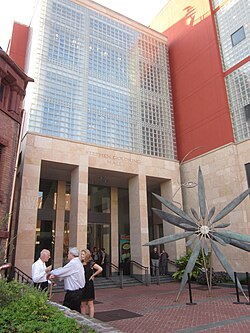
Since 2003, the museum has operated out of its current location, which blends historic preservation with modern design. The campus consists of two primary structures: the Patrick F. Taylor Library, an 1889 building designed by architect Henry Hobson Richardson, and the adjacent Stephen Goldring Hall.
Stephen Goldring Hall is a five-story, 47,000-square-foot facility constructed of glass and stone, designed by architects Errol Barron and Michael Toups. Beyond the galleries, the museum houses the Center for Southern Craft and Design and a dedicated Museum Store.
The Collection and Artistic Vision
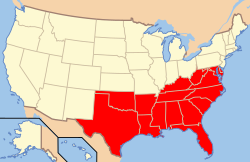
The museum's collection is vast and eclectic, drawing from artists associated with Alabama, Arkansas, Florida, Georgia, Kentucky, Louisiana, Maryland, Mississippi, North Carolina, Oklahoma, South Carolina, Tennessee, Texas, Virginia, West Virginia, and the District of Columbia.
Starting with the foundational donation of 600 pieces from Roger H. Ogden, the collection has expanded to over 4,000 works. This diverse assembly includes paintings, watercolors, drawings, prints, photographs, sculptures, and wood crafts. Notable artists represented include George Rodrigue, Clementine Hunter, Walter Anderson, Benny Andrews, and George Ohr, among others.
Rather than adhering to a single "Southern style," the collection explores themes of history and memory. The works range from traditional folk art and atmospheric paintings of bayous to modern abstractions and haunting historical photography.
Recognition and Community Impact
The Ogden Museum is recognized not only for its curation but also for its educational outreach. In 2008, it launched the Teen Docent Program, which has engaged dozens of students in providing tours and outreach to thousands of visitors.
The institution's commitment to innovation was highlighted in 2018 when it was selected for a grant from Bloomberg Philanthropies. As part of the Arts Innovation and Management Program, the museum received operating support and management training through a $43 million multi-year national initiative.
| Category | Details |
|---|---|
| Established | 1999 (Current location since 2003) |
| Director | William Pittman Andrews |
| Curators | Bradley Sumrall, Richard McCabe (Photography) |
| Key Architect (Modern) | Errol Barron and Michael Toups |
| Affiliation | Smithsonian Affiliate |
Frequently Asked Questions
What is the primary focus of the Ogden Museum?
The museum is dedicated to exhibiting and preserving art created by artists from or associated with the southern United States and the District of Columbia.
Who founded the museum's initial collection?
The collection began with a donation of more than 600 works from the private collection of New Orleans businessman Roger H. Ogden.
Where is the museum located in New Orleans?
It is located at 925 Camp Street in the Warehouse Arts District of downtown New Orleans.
Does the museum have a specific "Southern style" of art?
No; the collection is characterized by a wide range of styles, from folk art and bayou landscapes to modern abstractions, focusing instead on themes of place, history, and memory.
What educational programs does the museum offer?
The museum operates a Teen Docent Program, established in 2008, where students lead tours and participate in outreach programs and summer camps.