Official Residences of World Leaders: A Global Directory
Across the globe, the seats of power are more than just homes; they are symbols of national sovereignty, historical legacies, and administrative hubs. From the sprawling royal estates of Europe to the modern executive mansions of the Americas, official residences serve as the primary workplace and living quarters for presidents, monarchs, prime ministers, and governors.
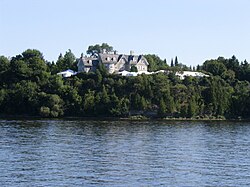
These structures often evolve over centuries, transitioning from royal forts to democratic administrative centers. While some leaders prefer the austerity of a government office, others maintain a network of seasonal retreats and state guest houses to facilitate international diplomacy.
Key Facts
- Diverse Typology: Residences range from "State Houses" and "Government Houses" to "Palaces" and "Mansions."
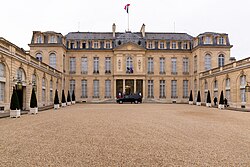
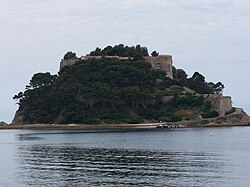
- Seasonal Rotation: Many nations maintain separate winter and summer residences (e.g., France's Élysée Palace and Fort de Brégançon).
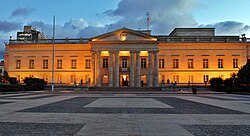
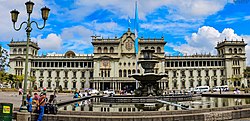
- Historical Transition: Several residences, such as the National Palace in Guatemala, have transitioned from executive use to public museums.
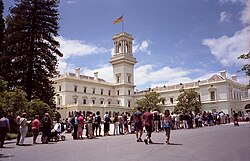
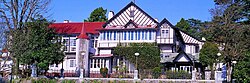
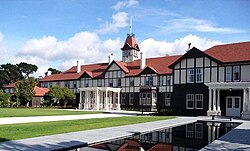
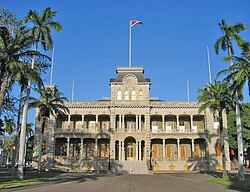
- Commonwealth Influence: Many former British colonies maintain a "Government House" for the Governor-General or Governor.
Executive Residences in the Americas
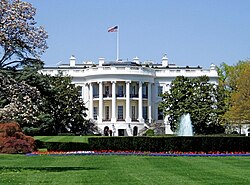
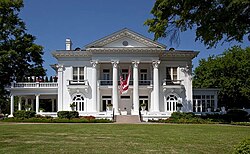
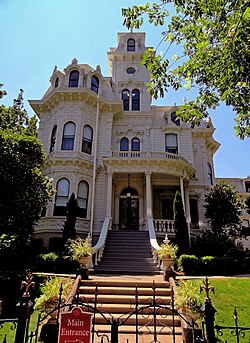
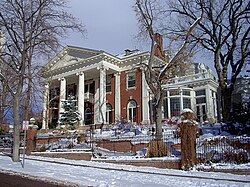
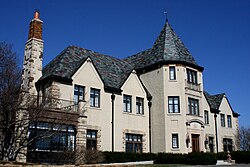
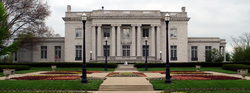
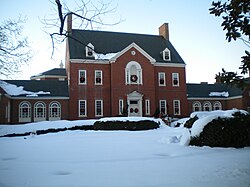
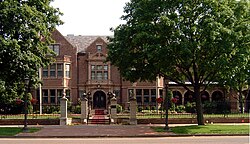
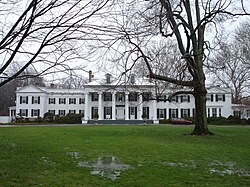
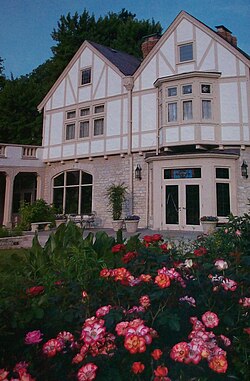
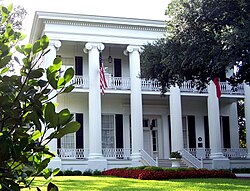
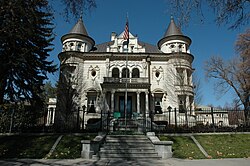
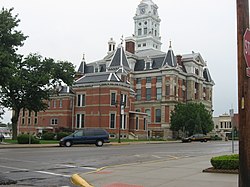
In the Western Hemisphere, official residences often blend colonial history with modern governance. The United States is notable for its decentralized system, where the President resides at the White House, while individual states maintain their own Governor's Mansions.
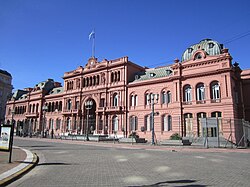
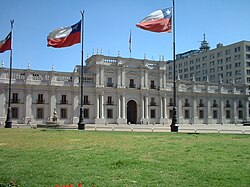
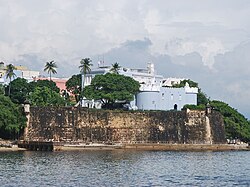
In Latin America, the "Palacio" (Palace) remains the standard. Examples include the Casa Rosada in Argentina and the Palacio de La Moneda in Chile. Notably, La Fortaleza in Puerto Rico stands as the oldest executive residence in continuous use in the Americas.
European Seats of Power
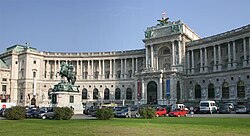
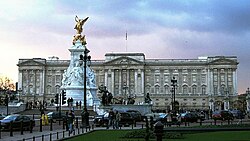
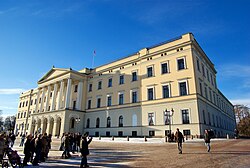
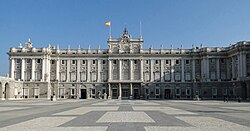
European residences are frequently characterized by their royal heritage. In the United Kingdom, the monarch's primary London residence is Buckingham Palace, while the Prime Minister occupies 10 Downing Street. Similarly, in Spain, the Royal Palace of Madrid serves as the official residence of the King.
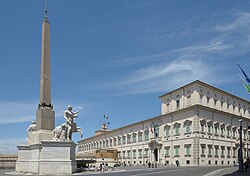
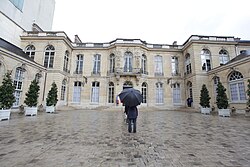
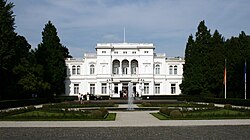
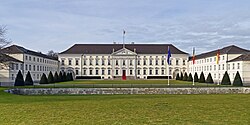
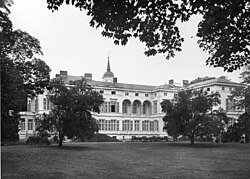
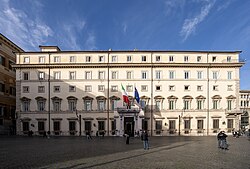
Republics in Europe often repurpose historic estates. France's President utilizes the Élysée Palace, while Germany's President resides at Schloss Bellevue. In Italy, the Quirinal Palace—once the home of Popes and Kings—now serves the President of the Republic.
Asian and African Administrative Hubs
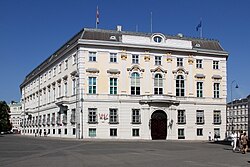
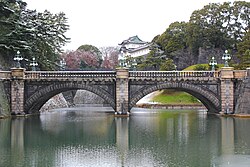
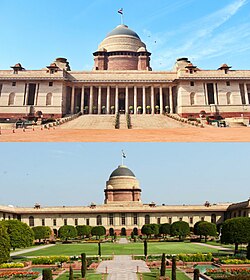
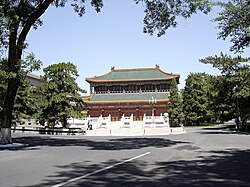
Asia features some of the world's most architecturally significant residences. Japan's Emperor resides at the Tokyo Imperial Palace, while India's President occupies the Rashtrapati Bhavan. In China, the leadership is centered around the Zhongnanhai complex in Beijing.
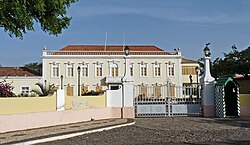
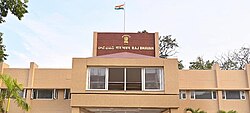
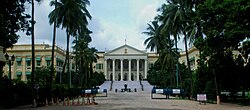
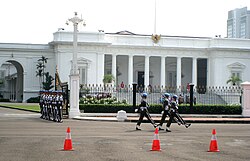
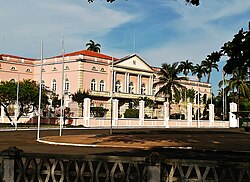
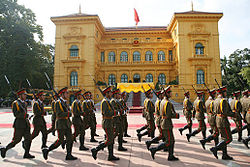
Across Africa, "State Houses" are the most common designation for presidential residences. From the Golden Jubilee House in Ghana to the Presidential Palace in Cape Verde, these buildings serve as the nerve centers for national administration.
Summary of Notable Global Residences
| Region | Country | Residence Name | Primary Occupant |
|---|---|---|---|
| North America | USA | White House | President |
| Europe | UK | Buckingham Palace | Monarch |
| Europe | France | Élysée Palace | President |
| Asia | India | Rashtrapati Bhavan | President |
| Asia | Japan | Tokyo Imperial Palace | Emperor |
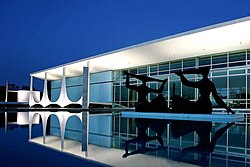
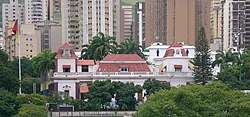
| South America | Brazil | Palácio da Alvorada | President |
| Africa | Ghana | Golden Jubilee House | President |
Frequently Asked Questions
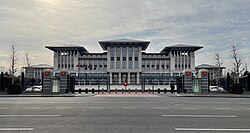
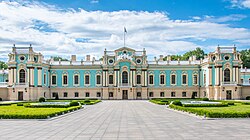
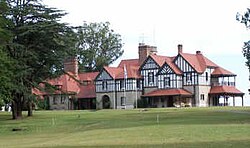
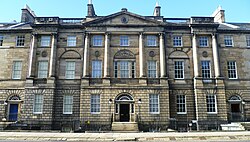
What is the difference between a State House and a Government House?
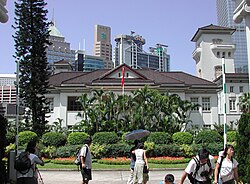
A State House typically refers to the official residence of a head of state (like a President) in a republic. A Government House is more common in Commonwealth realms, serving as the residence of a Governor or Governor-General representing the monarch.
Do all world leaders live in their official residences?
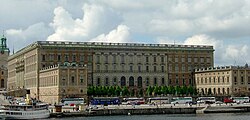
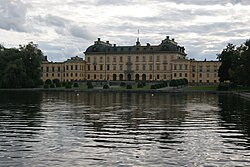
No. Some leaders use the official residence solely for state business and ceremonies while maintaining private homes. For example, the King of Sweden uses Drottningholm Palace as an everyday residence rather than the Royal Palace in Stockholm.
What happens to official residences when a government changes?
In most stable democracies, the residence is tied to the office rather than the individual. When a new leader is elected, they move into the official residence, and the predecessor vacates the premises.
Are some official residences open to the public?
Yes, many are partially open for tours or have been converted into museums. For instance, the National Palace in Guatemala City is now used as a museum, and several former royal palaces in Europe are open to visitors.