Odor and Olfaction: The Science of Smell and Scent
An odor (or odour in Commonwealth English) is a smell or scent produced by one or more volatilized chemical compounds. These compounds are typically found in low concentrations and are perceived by humans and many animals through the olfactory system, the sensory system responsible for detecting chemicals in the air.
While the term "smell" is a general descriptor that can apply to both pleasant and unpleasant sensations, specific terminology is often used to convey nuance. In the food and cosmetic industries, terms like scent, aroma, and fragrance are typically reserved for pleasant odors, such as floral notes or perfumes.
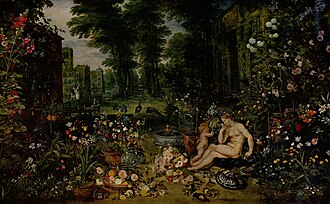
Key Facts
- Odor concentration is measured by the dilution factor required to reach the odor threshold.
- The standard unit for odor concentration is the European Odour Unit (OU E).
- Odor intensity is measured on a scale from 0 (no odor) to 6 (intolerable).
- Humans can potentially discriminate more than 1 trillion different olfactory stimuli.
- Olfactory fatigue is the inability to distinguish an odor after prolonged exposure.
Measuring and Quantifying Odors
Quantifying how strong a smell is requires standardized scientific methods. The most widespread method for measuring odor concentration is standardized in CEN EN 13725:2003. This process involves the dilution of an odor sample until it reaches the odor threshold—the lowest concentration at which a smell can be detected.
The numerical value of the concentration is expressed as the dilution factor necessary to reach that threshold. By definition, the concentration at the odor threshold is 1 OU E (European Odour Unit).
The Olfactometer and Sampling Challenges
To measure these concentrations, scientists use an olfactometer. However, sampling odors can be technically difficult, especially if the source is under a vacuum, at a high temperature, or possesses high humidity.

Odor Intensity and Categorization
Beyond mere concentration, scientists also study intensity, which represents the perceived psychological strength of a smell at a specific dilution step. This is often calculated using the Weber-Fechner coefficient and the chemical concentration.
Odor intensity is categorized into seven distinct levels:
- 0: No odor
- 1: Very weak (the odor threshold)
- 2: Weak
- 3: Distinct
- 4: Strong
- 5: Very strong
- 6: Intolerable
Common Odor Profiles
Odors are often categorized by their qualitative characteristics. Common descriptors include:
- Musky: Often associated with perfumes.
- Putrid: Similar to the smell of rotten eggs.
- Pungent: Similar to vinegar.
- Camphoraceous: Similar to mothballs.
- Ethereal: Similar to dry cleaning fluid.
- Floral: Similar to roses.
- Pepperminty: Similar to mint gum.
| Category/Level | Description/Example |
|---|---|
| Intensity 1 | Very weak (Threshold) |
| Intensity 3 | Distinct |
| Intensity 6 | Intolerable |
| Putrid | Rotten eggs |
| Floral | Roses |
The Biological and Evolutionary Role of Smell
Olfaction plays a critical role in biology, influencing behavior, attraction, and survival. Research has explored how the Major Histocompatibility Complex (MHC)—a set of genes important to the immune system—may influence body odor preferences and mate selection. Additionally, studies have looked at how scent preferences in women may fluctuate with the menstrual cycle.
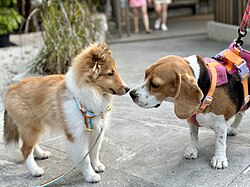
The sense of smell is also subject to habituation (or adaptation), where the brain becomes less responsive to a constant stimulus, leading to olfactory fatigue. This is why you may stop noticing a specific scent after being in a room for a long time.
Frequently Asked Questions
What is the difference between aroma and stench?
While "smell" is a neutral term, "aroma" and "fragrance" are typically used to describe pleasant scents, whereas "stench" refers to unpleasant odors.
What is the odor threshold?
The odor threshold is the lowest concentration of a chemical compound that can be detected by the olfactory system.
What is phantosmia?
Phantosmia is a condition where a person perceives an odor that is not actually present in the environment.
How is odor concentration measured?
It is measured by diluting an odor sample until it reaches the threshold, with the dilution factor expressed in European Odour Units (OU E).
What is petrichor?
Petrichor is the specific earthy smell that occurs when rain falls on dry soil.