October 2012 Beirut Bombing: The Assassination of Wissam al-Hassan
On October 19, 2012, a devastating car bomb ripped through the Achrafieh district of Beirut, Lebanon. The attack targeted Wissam al-Hassan, a brigadier general of the Lebanese Internal Security Forces (ISF) and the head of its intelligence-oriented information branch. This event marked one of the deadliest bombings in the city since 2008 and highlighted the volatile spillover of the Syrian civil war into Lebanese territory.
Key Facts
- Date: October 19, 2012
- Target: Brigadier General Wissam al-Hassan
- Casualties: 8 deaths and 110 injuries
- Location: Ibrahim Monzer Street, Achrafieh, Beirut
- Weapon: Car bomb containing approximately 30kg of TNT
- Political Context: Syrian civil war spillover and Lebanese internal political tensions
The Target: Who was Wissam al-Hassan?
Wissam al-Hassan was a pivotal figure in Lebanon's security apparatus and a prominent member of the Sunni Muslim community. As the head of the ISF intelligence branch, he was a key player in the March 14 alliance, a political coalition often opposed to Syrian influence in Lebanon.
Al-Hassan was widely recognized for his role in leading the investigation that implicated Syria and its ally, Hezbollah, in the assassination of former Prime Minister Rafik Hariri. Additionally, in the summer of 2012, he led an investigation into alleged plots by the Syrian government to interfere with the conflict within Lebanon.
Details of the Attack
The explosion occurred at 14:50 on Ibrahim Monzer Street, near Sassine Square. The blast took place in a narrow street, approximately 100 meters from the offices of the Kataeb Party and 300 meters from the headquarters of the March 14 alliance. Reports indicate the bomb detonated outside one of al-Hassan's secret offices used for meeting informants.
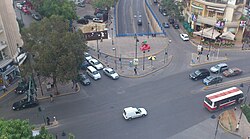
To maintain camouflage, al-Hassan was using an unarmored rental car at the time of the attack. Lebanese Army explosive experts determined that the vehicle had been rigged with explosives equivalent to 30 kilograms of TNT. The force of the blast was massive, splitting the delivery vehicle in two, tearing balconies off nearby buildings, and leaving a large crevice in the road.
The attack resulted in eight deaths, including al-Hassan and his driver, Ahmad Suhyuni, and left 110 people injured.
Political Fallout and Reactions
The assassination triggered immediate speculation regarding the perpetrators. Former Prime Minister Saad Hariri and other leaders of the March 14 alliance explicitly accused Syrian President Bashar al-Assad of responsibility, linking the murder to al-Hassan's role in the arrest of Michel Samaha, a former information minister accused of transporting explosives into Lebanon.
While Hezbollah condemned the blast as a "sinful attempt" to destabilize national unity, reports from Der Spiegel suggested the group may have been involved due to al-Hassan's cooperation with the International Criminal Tribunal. The FBI also noted that the planning, execution, and explosives used were similar to those in the Rafik Hariri assassination.
International Response
The global community responded with widespread condemnation:
- United Nations: The Security Council issued an unequivocal condemnation, and Secretary-General Ban Ki-moon urged national unity.
- France: President François Hollande's office called the death a great loss, and Foreign Minister Laurent Fabius later stated that Syria was probably involved.
- United States: The State Department reaffirmed its commitment to a stable and sovereign Lebanon.
- Iran: The foreign ministry condemned the attack but blamed Israel for seeking regional instability.
- Syria: Information Minister Omran al Zohbi condemned the "cowardly" attack.
Civil Unrest and Aftermath
The bombing sparked immediate violence. Opposition supporters in Beirut, Sidon, Tripoli, and Btouratige set up burning roadblocks and protested against the Syrian authorities and Hezbollah. Following al-Hassan's burial on October 21 near the tomb of Rafik Hariri, riots erupted near the Grand Serail (the prime minister's office).
These tensions escalated into sectarian clashes between Sunni and Shia groups, involving rocket and gunfire, which resulted in the deaths of six additional people.
| Category | Details |
|---|---|
| Primary Target | Wissam al-Hassan (ISF Intelligence Chief) |
| Casualties | 8 dead, 110 injured |
| Explosive Yield | ~30kg TNT equivalent |
| Key Accusations | Syrian Government, Hezbollah |
| Location | Achrafieh, Beirut |
Frequently Asked Questions
Who was the primary target of the 2012 Beirut bombing?
The primary target was Brigadier General Wissam al-Hassan, the head of the intelligence-oriented information branch of the Lebanese Internal Security Forces (ISF).
What was the suspected motive for the assassination?
It is believed al-Hassan was targeted due to his investigations into Syrian government interference in Lebanon and his role in the investigation into the assassination of former Prime Minister Rafik Hariri.
How many people were killed and injured in the attack?
According to the National News Agency, eight people were killed and 110 others were injured.
Which political groups were linked to the attack?
The March 14 alliance accused the Syrian government of Bashar al-Assad. Additionally, reports from Der Spiegel and the FBI suggested similarities to attacks linked to Hezbollah.
What were the immediate consequences of the bombing in Lebanon?
The bombing led to widespread protests, the burning of tires, and sectarian clashes between Sunni and Shia groups, resulting in six additional deaths.