Oak Trees: A Comprehensive Overview of the Genus Quercus
The genus Quercus, commonly known as oak, represents a diverse and ancient group of trees that have played a fundamental role in global ecosystems and human history. Spanning from the Paleocene-Eocene boundary approximately 56 million years ago to the present day, oaks are a cornerstone of many temperate and tropical landscapes across the Northern Hemisphere.
Whether they appear as massive, slow-growing giants or smaller evergreen shrubs, oaks are characterized by their distinctive foliage and the production of acorns. These trees are not merely biological entities; they are ecological hubs that support vast networks of insects, birds, and mammals.
![Global distribution of Quercus. The New and Old World parts are mostly separate clades.[a] Red: North American.[b] Pink: Central American.[c] Yellow: European.[d] Green: West/Central Asian.[e] Turquoise: Southeast Asian.[f] Blue: East Asian.[g][29] See Phylogeny chapter/tree for sections.[clarification needed]](/images/e4/31/e431d7db5eac02ceeacae18583b8fe1f8ede2b4ea676127f6dc8b2d2a89146e5.webp)
Key Facts
- Temporal Range: Exists from the Paleocene-Eocene boundary (approx. 56–60 Ma) to the present.
- Global Presence: Native to the Northern Hemisphere, including the Americas, Asia, Europe, and North Africa.
- Diversity Hotspots: North America holds the highest number of species, followed by China.
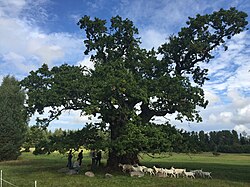
- Longevity: Some species, such as Q. alba, can live for 600 years, while others like the Granit oak in Bulgaria are estimated to be over 1,600 years old.
- Taxonomic Structure: Divided into two primary subgenera: Cerris (Old World) and Quercus (New World).
Taxonomy and Classification
The scientific classification of oaks places them within the family Fagaceae and the order Fagales. The genus is broadly categorized into two major subgenera based on their evolutionary lineages and geographic distributions.
Subgenus Cerris (The Old World Clade)
Exclusively native to Eurasia, this subgenus includes several distinct sections:
- Section Cyclobalanopsis: Known as the cycle-cup oaks, primarily found in East Asia.
- Section Cerris: Subtropical and temperate oaks found across Eurasia and North Africa.
- Section Ilex: Tropical and subtropical oaks located in Eurasia and North Africa.
Subgenus Quercus (The New World Clade)
Primarily native to North America, this clade includes:
- Section Lobatae: The North American red oaks.
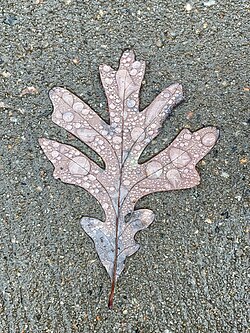
- Section Quercus: The white oaks found in both North America and Eurasia.
- Section Virentes: The American southern live oaks.
- Section Protobalanus: Intermediate oaks of North America.
- Section Ponticae: Oaks with a disjunct distribution between western Eurasia and western North America.
Global Distribution and Ecology
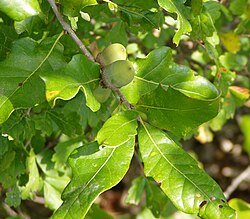
Oaks are highly adaptable, ranging from cool temperate to tropical latitudes. North America is a major center of diversity, with approximately 90 species in the United States and about 160 species in Mexico, 109 of which are endemic. China follows as the second most diverse region with roughly 100 species.
In the Americas, oaks are widespread from Canada (Vancouver and Nova Scotia) down through the eastern United States to Mexico. The genus successfully crossed the isthmus of Panama, allowing species like Q. humboldtii to establish themselves in high-altitude regions of Colombia.
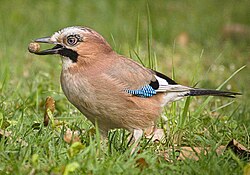
The ecology of the oak is deeply intertwined with local fauna. For example, jays play a critical role in seed dispersal by feeding on acorns and moving them to new locations.
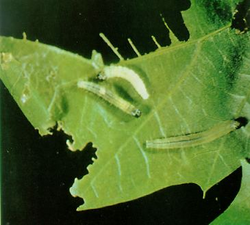
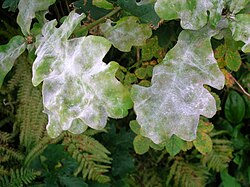
However, oak forests face various biological pressures. Pests such as the North American oak leafroller (Archips semiferanus) can cause significant defoliation, while fungal pathogens like Erysiphe alphitoides cause powdery mildew on species such as the pedunculate oak.
Summary of Oak Diversity and Characteristics
| Subgenus | Primary Region | Key Sections | Common Names |
|---|---|---|---|
| Cerris | Eurasia / North Africa | Cyclobalanopsis, Cerris, Ilex | Cycle-cup oaks, Ilex oaks |
| Quercus | North America / Eurasia | Lobatae, Quercus, Virentes, Protobalanus | Red oaks, White oaks, Live oaks |
Human Uses and Cultural Significance
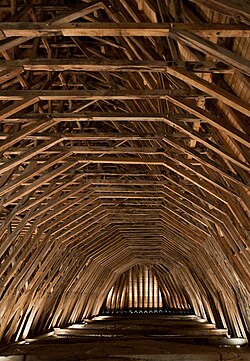
Throughout history, humans have utilized oaks for a variety of purposes. The dense, strong wood is highly valued for timber, particularly for structural beams in historic architecture.
Beyond construction, oaks have significant culinary and cultural roles. Oak leaves are used in traditional food preparation, such as wrapping kashiwomochi rice cakes in Japan. Culturally, the oak is a powerful symbol, appearing in various national emblems, such as the coat of arms of Estonia.
![The oak features in many coats of arms, such as that of Estonia.[100]](/images/77/30/773069f39cb101630032bdf22fbd8538c86bb5d5461222f2cb728558782ce37d.webp)
Individual ancient trees also hold immense value as natural monuments. The Grīdnieku ancient oak in Latvia, for instance, boasts a girth of 8.27 metres.
Frequently Asked Questions
How long can an oak tree live?
Oak longevity varies by species. While some species like Q. alba can reach 600 years, others are much older. The Granit oak in Bulgaria is estimated to be 1,637 years old.
What is the difference between red oaks and white oaks?
Red oaks (Section Lobatae) and white oaks (Section Quercus) are distinct taxonomic sections within the subgenus Quercus, often differentiated by their leaf shape and wood properties.
Are all oak trees large?
No. While many oaks are large, slow-growing trees, some species like the Japanese evergreen oak (Q. acuta) are much smaller, forming bushes or small trees up to 30 feet in height.
How do oaks reproduce?
Oaks reproduce via acorns, which are the seeds of the tree. Animals like jays are essential to this process, as they consume the acorns and disperse the seeds throughout the forest.
What are the main threats to oak forests?
Oak forests can be threatened by various pests, such as the oak leafroller caterpillar, and diseases like oak powdery mildew or sudden oak death.