Nubia: The Rise and Legacy of Africa's Ancient Nile Civilizations
Stretching along the banks of the Nile River, Nubia stands as one of the most significant cradles of civilization in ancient Africa. This vast region encompasses the territory between the confluence of the Blue and White Niles—near modern-day Khartoum in central Sudan—and the First Cataract located south of Aswan in southern Egypt. For millennia, Nubia was not merely a neighbor to Egypt, but a powerful rival, a trading partner, and at times, the very ruler of the Egyptian throne.
From the early Kerma culture to the mighty Kingdom of Kush, the history of Nubia is a complex tapestry of shifting empires, cultural exchanges, and remarkable architectural achievements that continue to captivate archaeologists today.
Key Facts
![Pair of guardian statuettes, depicting Middle Kingdom pharaohs, presumably Senusret I or Amenemhat II, with the white crown of Upper Egypt (left), the other with the red crown of Lower Egypt.[76] The 12th dynasty had origins in Ta-Seti, Upper Egypt/Lower Nubia.[77][78]](/images/71/bd/71bd2bf41ad49385209cf42a96520a055dcd78cf5e807378d6fc9e30fd9003b8.jpg)
- Geographic Scope: Located between the confluence of the Blue and White Niles and the First Cataract.
- Major Cultures: Includes the A-Group, C-Group, Kerma, Napatan, and Meroitic civilizations.
- The 25th Dynasty: The Kingdom of Kush conquered Egypt in the 8th century BC, ruling as its 25th Dynasty.
- Kerma Culture: One of the earliest major civilizations in the region, flourishing from approximately 2500 BC to 1500 BC.
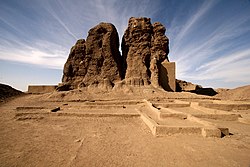
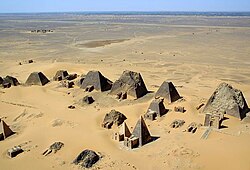
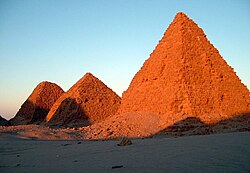
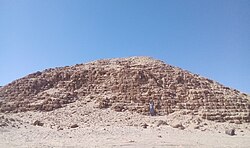
- Architectural Legacy: Home to numerous pyramids, most notably those at Nuri and Meroe.
The Foundations: Prehistory and Early Groups
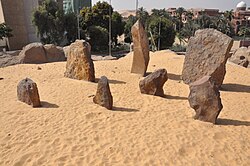
The roots of Nubian civilization reach back into prehistory. Long before the rise of organized states, the region saw the development of distinct cultural groups that laid the groundwork for future complexity.
The A-Group (3500–3000 BC)
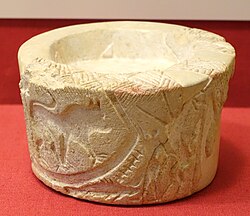
The A-Group represents an early phase of Nubian social organization. By around 3100 BC, this group had transitioned into a classical phase characterized by significant wealth. Evidence from royal burials at sites like Qustul suggests that A-Group kings possessed riches—including gold and highly decorated pottery—that rivaled those of early Egyptian pharaohs. Some scholars even suggest that A-Group rulers and early Egyptian pharaohs shared similar royal symbols and artistic traditions.
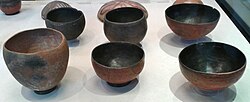
The A-Group culture eventually came to an end between 3100 and 2900 BC, likely due to the expansion of Egypt's First Dynasty. This led to a period where Lower Nubia remained largely uninhabited for several centuries, while Old Kingdom Egyptian dynasties controlled the surrounding areas.
The C-Group (2400–1550 BC)
Following the decline of the A-Group, the C-Group emerged. In Lower Nubia, this culture demonstrated a unique blend of indigenous customs and Egyptian influences. As Egyptian garrison towns were established in the region, the C-Group people lived alongside remaining Egyptian populations, eventually adopting many Egyptian customs and cultural practices.
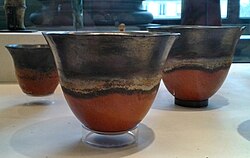
The Kerma Culture and the Height of Bronze Age Power
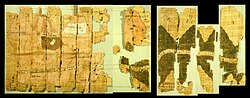
The Kerma culture (c. 2500–1500 BC) marks one of the most significant eras in Nubian history. Centered in Upper Nubia, Kerma was a powerful state that controlled the southern trade routes to Egypt.
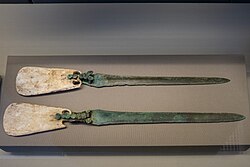
During Egypt's Second Intermediate period, the Kushites reached the zenith of their Bronze Age influence. Their military and economic power was so substantial that they maintained complex diplomatic ties with both the Thebans and the Hyksos. However, this era of independence was challenged when New Kingdom pharaohs, such as Thutmose I, launched campaigns that brought all of Nubia under Egyptian rule between 1500 and 1070 BC.
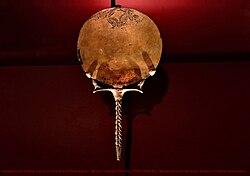
The Kingdom of Kush and the 25th Dynasty
![Ramesses II in his war chariot charging into battle against the Nubians. New Kingdom reliefs as seen in Rameses II temple, Beit el-Wali, represented Nubians with dark reddish brown and jet black skin tones.[111]](/images/88/db/88db998032c69fb2cff588284251622af9ba96848086de083aa5ff7c1fb860ce.jpg)
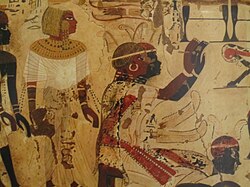
Even under Egyptian occupation, Nubian identity remained resilient. After the Egyptian withdrawal from the Napata region around 1700 BC, a fully formed Kushite state began to emerge, centered at Napata. This resurgence eventually led to one of the most dramatic turning points in Nile Valley history.
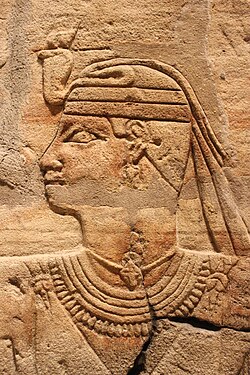
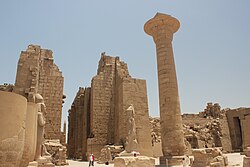
In the 8th century BC, the Nubian King Piye led his forces to conquer Egypt, establishing the 25th Dynasty. For a period, Nubian kings ruled as pharaohs of a unified empire stretching from the Mediterranean to the confluence of the Niles. This era saw a profound fusion of Nubian and Egyptian religious and political traditions.
![Kushite heartland, and Kushite Empire of the Twenty-fifth Dynasty of Egypt, circa 700 BC.[122][123]](/images/20/b5/20b5780c26718b549bf62f472d6fe1665260b79bd25f34d94938606d7533816a.jpg)
The Meroitic Period
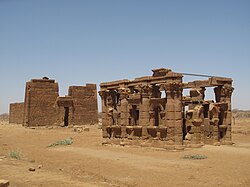
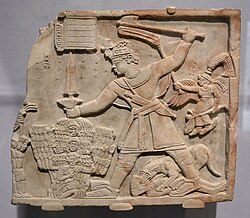
As political centers shifted, the Meroitic period (starting around 542 BC) saw the rise of Meroë as a major capital. This era is characterized by distinct architectural styles, including the famous Nubian pyramids, and a unique written language known as Meroitic. The Meroitic kings and queens (often referred to as Kandakes) presided over a civilization that remained a significant power in Africa for centuries.
Summary of Major Nubian Eras
| Period/Culture | Approximate Dates | Key Characteristics |
|---|---|---|
| A-Group | 3500–3000 BC | Early social complexity, royal burials at Qustul, gold wealth. |
| Kerma Culture | 2500–1500 BC | Major Bronze Age power, control of southern trade. |
| Egyptian Rule | 1500–1070 BC | New Kingdom expansion into Nubia. |
| Napatan Empire | 750–542 BC | Conquest of Egypt, the 25th Dynasty. |
| Meroitic Period | 542 BC–400 AD | Capital at Meroë, unique Meroitic script and pyramids. |
Frequently Asked Questions
![Marble portrait of a Nubian ca. 120–100 BC[159]](/images/67/71/6771a8605c5e0a96b57f9f6f17c53966b099ba8792d7ddddab869b088ef2d2e3.jpg)
What is the difference between the Kerma and Kushite cultures?
The Kerma culture was an earlier, distinct Bronze Age civilization (c. 2500–1500 BC). The Kingdom of Kush is a broader term that includes the later Napatan and Meroitic periods, which rose to prominence after the Kerma era and eventually conquered Egypt.
Did Nubians rule Egypt?
Yes. During the 8th century BC, the Nubian kings of the Kingdom of Kush conquered Egypt and established the 25th Dynasty, ruling as pharaohs for several decades.
Where can I see Nubian pyramids today?
Nubian pyramids are located primarily in modern-day Sudan, with significant sites at Meroë and Nuri.
What was the significance of the Nile in Nubia?
The Nile was the lifeblood of Nubian civilization, providing the water necessary for agriculture, a means for transportation, and a corridor for the vital trade routes that connected sub-Saharan Africa with the Mediterranean world.
How did the Meroitic period differ from earlier periods?
The Meroitic period was characterized by a shift in the political center toward Meroë, the development of the Meroitic script, and a distinct cultural identity that blended indigenous African traditions with Egyptian influences.