Novel History and Evolution: From Ancient Narratives to Digital Fiction
A novel is an extended work of narrative fiction, typically written in prose and published as a book. The term originates from the Italian novella, meaning "new" or "short story," which itself stems from the Latin novellus. While often viewed as a modern invention, the novel has a comprehensive history spanning approximately two thousand years, evolving from ancient Greek and Roman narratives into the diverse forms we recognize today.
The distinction between a novel and a romance has long been a subject of literary debate. Scholars like M. H. Abrams and Walter Scott suggest that a novel provides a realistic depiction of society—exemplified by Harper Lee's To Kill a Mockingbird—whereas a romance emphasizes marvelous or uncommon incidents. However, in common usage, works like Mary Shelley's Frankenstein and J. R. R. Tolkien's The Lord of the Rings are referred to as novels despite their fantastical elements.
Key Facts
- Origins: Rooted in Ancient Greek and Roman novels, Medieval chivalric romances, and Italian Renaissance novellas.
- Modern Milestone: Miguel de Cervantes' Don Quixote (1605) is often cited as the first significant modern European novel.
- Technological Impact: The invention of the printing press shifted fiction from expensive manuscripts to affordable chapbooks and belles lettres.
- Global Reach: Vernacular classic novels flourished in China during the Ming (1368–1644) and Qing (1616–1911) dynasties.
- Modern Formats: The genre now extends to audiobooks, ebooks, web novels, and graphic novels.
The Early Evolution of Prose Fiction
Asian Contributions
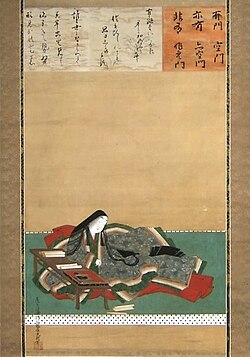
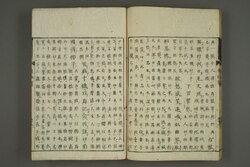
The spread of printed books in China facilitated the rise of vernacular classic novels during the Ming and Qing dynasties. In Japan, the tradition developed through heroic and satirical romances, as well as historical narratives.
Medieval and Renaissance Transitions
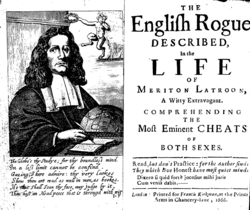
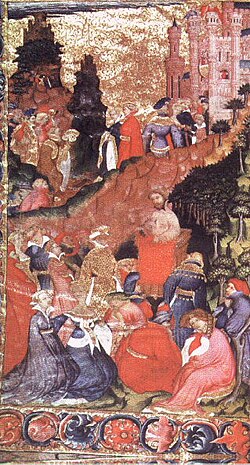
Between 1100 and 1500, the Medieval period was dominated by chivalric romances—stories of knights and courtly love. By the Renaissance (1500–1700), the invention of printing created a divide between low-brow entertainment, such as chapbooks (cheaply produced booklets), and belles lettres (elegant literature intended for a sophisticated audience).
The Birth of the Modern European Novel
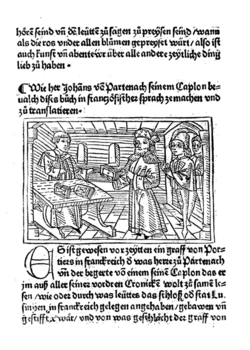
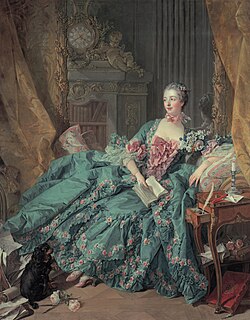
The shift toward the modern novel is often traced to Pantagruell (1532) or Miguel de Cervantes' Don Quixote (1605). Other early influences include Honore d'Urfe's pastoral novel L'Astrée (1610). By the late 17th century, French authors like Madame de La Fayette began producing works with characteristic French subject matter, such as Princesse de Clèves (1678).
The 18th and 19th Centuries: Expansion and Prestige
The Philosophical and Sentimental Novel
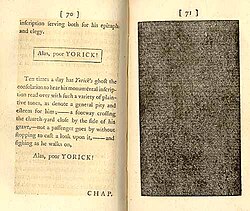
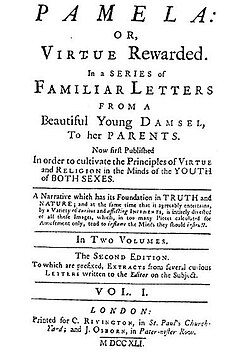
The 1740s saw the rise of the philosophical novel, where fiction served as a vehicle for intellectual debate. Voltaire's Candide (1759) and Zadig (1747) became central to the French Enlightenment. Simultaneously, the market for political and scandalous fiction grew as Dutch publishing houses pirated French works to avoid censorship.
Literary Acceptance and Romanticism
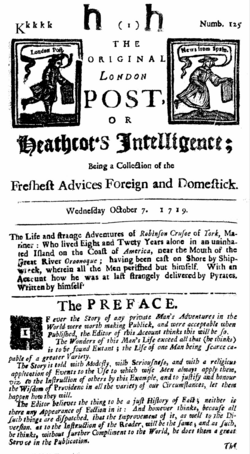
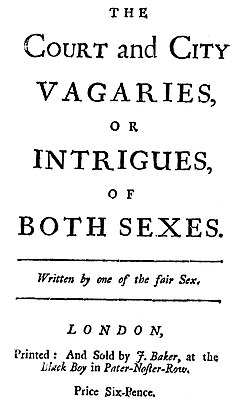
The novel gained prestige through collections like the Select Collection of Novels (1720–22). Authors began publishing under their own names rather than pseudonyms, a trend led by writers like Eliza Haywood. At the end of the 18th century, Romanticism revived the romance form, leading to the birth of Gothic fiction with Horace Walpole's The Castle of Otranto (1764).
The 20th Century to the Present
Modernism and Postmodernism
The 20th century introduced Postmodernism, where authors like Thomas Pynchon and Umberto Eco used intertextual references and playfulness to suggest that art is a reconfiguration of existing materials rather than a purely original creation.

Genre Fiction and Market Trends
Popular literature now commands a massive market share. In 2007, US market data showed romance fiction leading with $1.375 billion, followed by inspirational/religious literature ($819 million) and science fiction/fantasy ($700 million). Crime fiction has also evolved to reflect the psychological and social realities of industrialized societies.

Non-Traditional Formats
The 21st century has seen the rise of the graphic novel—fictional stories presented in comic-strip format. While the term was coined in the 1960s, its roots trace back to the 19th century. Additionally, digital platforms have popularized web novels and manga.
Summary of Novel Evolution
| Period/Era | Key Characteristics | Notable Examples/Authors |
|---|---|---|
| Ancient/Medieval | Chivalric romance, early prose narratives | Ancient Greek/Roman novels |
| Renaissance | Shift from manuscripts to printing; emergence of modern prose | Miguel de Cervantes (Don Quixote) |
| 18th Century | Philosophical and sentimental novels; rise of the professional author | Voltaire, Daniel Defoe |
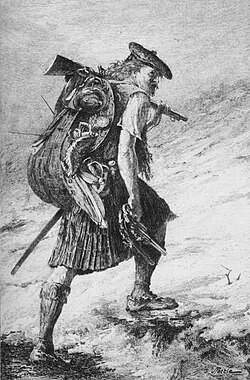
| 19th Century | Gothic fiction, Romanticism, Victorian realism | Horace Walpole, Ann Radcliffe |
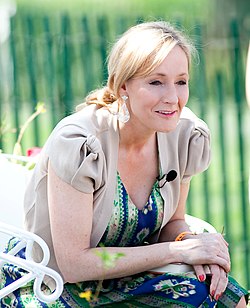
| 20th/21st Century | Postmodernism, genre fiction, digital and graphic formats | Umberto Eco, Dan Brown, J.K. Rowling |
Frequently Asked Questions

What is the difference between a novel and a romance?
Historically, a novel is seen as a realistic depiction of society, while a romance emphasizes marvelous, uncommon, or fantastical incidents. However, in modern terms, many works containing fantastical elements are still categorized as novels.
Who is considered the first modern novelist?
Miguel de Cervantes is frequently cited as the first significant European novelist of the modern era due to the publication of Don Quixote in 1605.
How did the printing press affect the development of the novel?
The printing press created a market for affordable entertainment through chapbooks and allowed for the wider distribution of belles lettres, separating high-art fiction from cheap popular prints.
What is a graphic novel?
A graphic novel is a fictional story presented in a comic-strip format and published as a book. While popular today, the concept has precursors dating back to the 19th century.
What defines a postmodern novel?
Postmodern novels often use playfulness, intertextuality, and self-referential language, challenging the idea that art must be entirely original by playing with existing cultural materials.