Northern Mexico: A Cultural and Geographical Overview of El Norte
Commonly referred to as El Norte, Northern Mexico represents a distinct cultural and geographical region that sets itself apart from the central and southern parts of the country. While there is no official border defining where the north begins, the region is generally understood to encompass several key states, ranging from the coastal plains to the rugged mountain ranges of the interior.
Characterized by its vast landscapes and diverse climates, the region includes everything from arid deserts to temperate highlands. This unique environment has shaped the history, lifestyle, and identity of the people who call it home, creating a vibrant cultural stronghold known locally as Aridoamerica.
![The white and brown territories comprised Northern Mexico until they were conquered by the United States in the mid-19th century[13]](/images/dc/fd/dcfdb7fb5c2637e5af9e1a6a5545014b0fe34ab4691f40f6e93462bedcbd2946.png)
Key Facts
- Total Area: 1,054,549 km² (407,164 sq mi)
- Population: Approximately 27,056,627
- Largest City: Monterrey
- Primary Climates: Predominantly dry and desert, with temperate zones present
- Major Sports: Association football (soccer), baseball, and boxing
- Key States: Baja California, Chihuahua, Coahuila, Durango, Nuevo León, Sinaloa, Sonora, and Tamaulipas
Geography and Climate
The topography of Northern Mexico is remarkably diverse. The region is defined by significant high-altitude features, including the Sierra Madre Oriental and the Sierra Madre Occidental, as well as the Sierra de Baja California on the peninsula. These mountains contrast with the low-lying Pacific and Gulf coastal plains.
Climate plays a major role in the region's character. While much of the area is characterized by a dry, desert environment, there are also temperate climates found in various parts of the territory. This environmental variety has historically influenced how populations settled and sustained themselves.
Historical Evolution
Pre-Colonial Era
Before European arrival, the harsh climate of the north limited large-scale agriculture, leading many ancient cultures to adopt a nomadic lifestyle focused on hunting and gathering. Notable indigenous groups included the Tepehuanes (or Odami) of Durango, the Rarámuri (known as Tarahumaras) of Chihuahua, the Mayos of Sinaloa and Sonora, and the Yaquis of Sonora.
Colonial and Postcolonial Periods
The Spanish colonial era saw the establishment of the first major cities, such as Durango in 1563. Much of the region was once part of a Basque colony known as Nueva Vizcaya. Over centuries, the Spanish expanded the northern frontier, often facing resistance from indigenous groups and establishing separate governance for these "interior provinces."
In the mid-19th century, the region's history was significantly altered when the northern half of Mexico was annexed by the United States. This proximity to the U.S. border became a defining economic and political factor, particularly during the Porfiriato era, when American capital investments began to reshape the traditionally agricultural economy.
![The 53,500-capacity Estadio BBVA Bancomer, home to football team Monterrey, is expected to host some matches of the 2026 FIFA World Cup, which will be held in North America.[22][23]](/images/1b/a2/1ba29ab300a48f773b97bc866bce0aea48288b0ee77d65bb90937ae6786e8be3.jpg)
Culture and Society
Northern Mexican culture often diverges from the traditions of central Mexico. Socially, the region tends to hold more conservative views on certain cultural topics, such as abortion and cannabis legalization, yet it often demonstrates more liberal attitudes toward business and technology. Interestingly, while many associate the northern accent with foreign influences, it is a distinct dialect characterized by strong intonation and occasional English loanwords like troca (truck) or lonche (lunch).
Cuisine and Traditions
The gastronomy of the north is a rich tapestry influenced by Spanish, Indigenous, Lebanese, Jewish, and German immigrants. Common staples include beef, goat, and pork, often served with flour tortillas—a culinary remnant of Lebanese and Jewish heritage. Key dishes include:
- Nachos, quesadillas, and burritos: Widely recognized international favorites.
- Carne Asada: A traditional weekend barbecue shared with family and friends.
- Discada: A meat mixture cooked on an agricultural plow disk harrow.
Sports in the North
Sports are a cornerstone of northern social life, with three major disciplines dominating the landscape:
Association Football (Fútbol)
Northern teams have been highly successful in Liga MX, the top professional division in Mexico. Cities like Monterrey, Tijuana, and Juárez host prominent clubs. In the 2010s, northern teams were particularly dominant, winning nine titles and appearing in more than half of the decade's finals.
Baseball
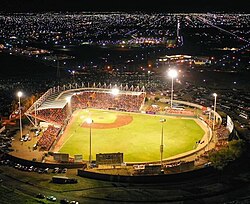
Baseball enjoys immense popularity, especially in Sinaloa and Sonora. The region is home to many teams in the Triple-A Mexican League and the Mexican Pacific League (LMP). Coahuila is notable for having three Triple-A teams, a feat shared only by Texas and New York in professional baseball contexts.
Combat Sports and Other Disciplines
Northern Mexico is a renowned producer of world-class boxers, including legends like Julio César Chávez and Erik Morales. The region has also produced champions in Mixed Martial Arts (MMA), such as Brandon Moreno, and Olympic medalists in Taekwondo, like María Espinoza.
Summary of Northern Mexican States and Cities
| State | Major Cities |
|---|---|
| Baja California | Mexicali |
| Baja California Sur | La Paz |
| Chihuahua | Chihuahua |
| Coahuila | Saltillo |
| Durango | Durango |
| Nuevo León | Monterrey |
| Sinaloa | Culiacán |
| Sonora | Hermosillo |
| Tamaulipas | Ciudad Victoria |
Frequently Asked Questions
What are the main characteristics of Northern Mexican culture?
Northern culture is often characterized by a blend of conservative social views and liberal business attitudes. It features a unique dialect influenced by English and a cuisine heavily based on meats and flour tortillas due to diverse immigrant influences.
Which sports are most popular in the North?
Association football, baseball, and boxing are the most prominent. The region also has a strong presence in basketball, mixed martial arts, and even American football.
How does the climate in Northern Mexico differ from the South?
While the south and central regions have more varied tropical and temperate climates, the north is predominantly characterized by dry, desert environments, though high-altitude mountain ranges provide temperate zones.
What is the significance of the "interior provinces"?
During the colonial era, the northern regions were often viewed as "interior provinces" by the central government in Mexico City, leading to a distinct sense of separate governance and identity.
Why is the cuisine in the North unique?
The cuisine is a result of various immigrant groups, including Lebanese, Jewish, and German, which introduced ingredients like flour tortillas, dairy products, and specific meat-preparation styles to the local indigenous and Spanish traditions.