Northern Fiction: The Frozen Frontier of North American Storytelling
While the American West has long dominated the imagination of frontier storytelling, a parallel genre exists in the frozen reaches of North America. Known as Northerns, these stories shift the setting from the dusty plains to the ice-bound wilderness of Canada and Alaska. Much like Westerns, Northerns focus on the struggle between civilization and the wild, but they replace the desert heat with biting cold and the lone gunslinger with the disciplined officer.
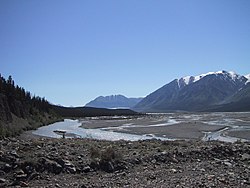
The genre is defined by its geography. While Alaska appears frequently, Canada is the primary setting, with narratives often unfolding in the Yukon, the Barren Grounds, or the regions surrounding Hudson Bay. To evoke this atmosphere, authors often use evocative terms such as the "Far North," the "Northlands," the "North Woods," or the "Great Woods."
The Atmosphere of the North
The environment in Northern fiction is more than just a backdrop; it is often the primary antagonist. Protagonists must endure and overcome extreme weather and the unforgiving natural elements to survive. This reliance on winter imagery was so strong that Northern films were occasionally referred to as "snow pictures."
Common settings include isolated cabins, mining towns, and vast boreal forests (the high-latitude forests characterized by cone-bearing needle-leaved evergreen trees). Animals play a pivotal role in these narratives, particularly dogs and dog sleds—popularized by classics like The Call of the Wild and White Fang—as well as dangerous encounters with bears, a trope dating back to The Klondyke Nugget.
Key Facts
- Primary Settings: Canada (Yukon, Barren Grounds, Hudson Bay) and Alaska.
- Central Antagonist: The wilderness and extreme weather.
- Law Enforcement: Represented by the Mounties (NWMP or RCMP) rather than vigilantes.
- Key Historical Events: The Klondike Gold Rush, North-West Rebellion, and the Black Donnelly murders.
- Genre Nicknames: "Snow pictures" or "Mountie films."
Law, Order, and the Mounties
One of the most significant distinctions between the Western and the Northern is the approach to law. While Westerns often feature lawless towns and heroic outlaws, the Canadian Northern emphasizes state-led law enforcement. As noted by writer David Skene-Melvin, "Canada never had a Wild West because the Mounties got there first."
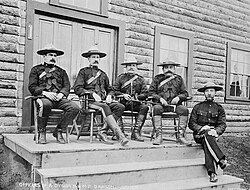
The Mounties—referring to the North-West Mounted Police (NWMP) or the Royal Canadian Mounted Police (RCMP)—are the iconic symbols of the genre. Unlike the Western hero who often straddles the line between civilization and the wild, the Mountie is a steadfast representative of civilization. Their portrayal often varies by the author's nationality:
- British authors often depict them as upper-class youth serving the British Empire.
- American authors portray them similarly to US Marshals, prioritizing personal conscience over strict legal duty.
- Canadian authors present them as self-abnegating champions of the establishment who uphold the law through moral rather than physical force.
Cultural Archetypes and Myths
Northerns frequently explore the "Matter of Canada," a collection of national myths and historical anxieties. This includes the fear of annexation by the United States and specific events like the October Crisis of 1970 or the pursuit of Albert Johnson in 1932.
The Role of French-Canadians
French-Canadian characters were ubiquitous, often serving as the "exotic primitive" of the genre. They were typically depicted as rustic and uneducated, falling into two stereotypes: the happy-go-lucky bon-vivant (a person who enjoys a sociable and luxurious lifestyle) or the villainous killer. Later works merged these into a roguish anti-villain. Visually, these characters were identified by a pipe, a sash, and a tuque (a knitted cap).
The Hudson's Bay Company
The Hudson's Bay Company is often portrayed with anachronistic absolute power. A recurring dark trope is La Longue Traverse (the Journey of Death), where convicts are executed by being cast into the wilderness without supplies. This portrayal was so severe that in 1921, the Hudson's Bay Company successfully sued the Famous Players–Lasky Corporation for its depiction in a remake of The Call of the North.
Comparison of Frontier Narratives
| Feature | Westerns | Northerns |
|---|---|---|
| Primary Setting | American West / Prairies | Canada / Alaska (Boreal Forests) |
| Law Enforcement | Vigilantes, Marshals, Outlaws | Mounties (State-led authority) |
| Main Conflict | Man vs. Man / Lawlessness | Man vs. Nature / Survival |
| Key Imagery | Dust, Horses, Saloons | Snow, Dog Sleds, Isolated Cabins |
Finally, Northerns often contrast the Canadian and American frontiers. In films like Pony Soldier and Saskatchewan, the Mounties are depicted as compassionate and reasonable in their dealings with First Nations people, contrasting them with hotheaded American soldiers or criminals who favor violence.
Frequently Asked Questions
What is the difference between a Northern and a Western?
While both are frontier stories, Northerns are set in the frozen North (Canada and Alaska) and emphasize survival against nature and state-led law enforcement, whereas Westerns focus on the American West and often feature lawlessness and vigilante justice.
Who are the "Mounties" in Northern fiction?
The Mounties are members of the North-West Mounted Police or the Royal Canadian Mounted Police. They represent civilization and the law, often pursuing fugitives across the wilderness to capture them, sometimes non-violently.
What is the "Matter of Canada"?
The "Matter of Canada" refers to the national mythos of Canada, encompassing historical events like the Klondike Gold Rush and the North-West Rebellion, as well as cultural anxieties regarding US annexation.
What was "La Longue Traverse"?
Introduced in The Call of the North (1914), it is a fictional concept where the Hudson's Bay Company executes convicts by forcing them into the wilderness without any equipment or supplies.
How were French-Canadians typically portrayed in these stories?
They were often depicted as rustic, uneducated characters, typically split between the roles of a cheerful bon-vivant or a villainous killer, often wearing a tuque, sash, and pipe.