North Dakota: A Comprehensive Overview of the Peace Garden State
Known by many names, including the Peace Garden State, the Roughrider State, and the Flickertail State, North Dakota is a land of vast prairies, significant agricultural output, and a rich cultural tapestry. Admitted to the Union on November 2, 1889, as the 39th state, North Dakota offers a unique blend of historical significance and modern economic vitality.

Key Facts
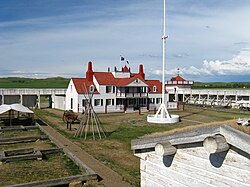
- Capital: Bismarck
- Largest City: Fargo
- State Motto: Liberty and Union, Now and Forever, One and Inseparable
- Total Area: 70,705 sq mi
- Primary Industries: Agriculture and Energy
- Official Language: English
Geography and Climate
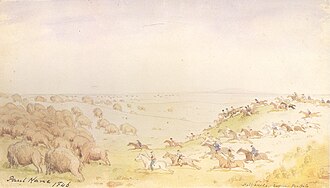
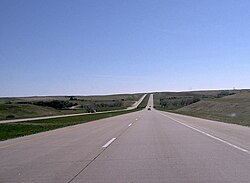
North Dakota covers a total area of approximately 70,705 square miles, with 68,994 square miles consisting of land and 1,710 square miles of water. The state's elevation varies from a low of 709 feet at the Red River of the North to a high of 3,507 feet at White Butte.
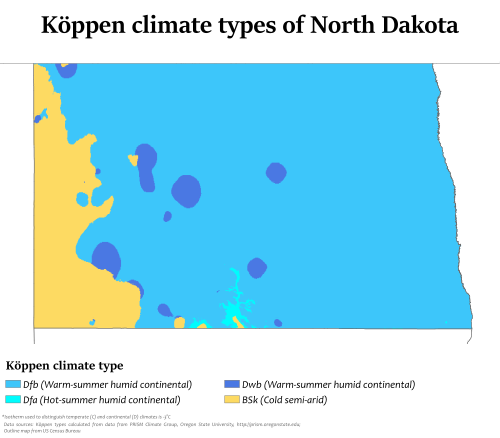
The climate of the state is characterized by significant seasonal shifts. For instance, in Fargo, July temperatures average highs of 82°F (28°C), while January temperatures can drop to an average low of 8°F (-13°C). Extreme weather records show temperatures as high as 121°F in Steele and as low as -60°F in Parshall.
Regional Landscapes
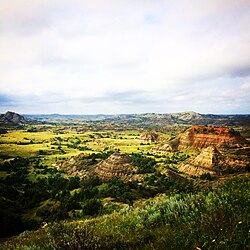
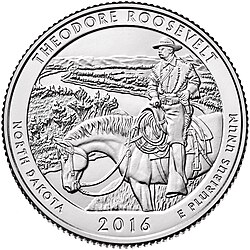
From the rolling prairies to the river valleys, the landscape is diverse. The Little Missouri River and the areas surrounding Theodore Roosevelt National Park represent some of the state's most iconic natural features.
Demographics and Culture
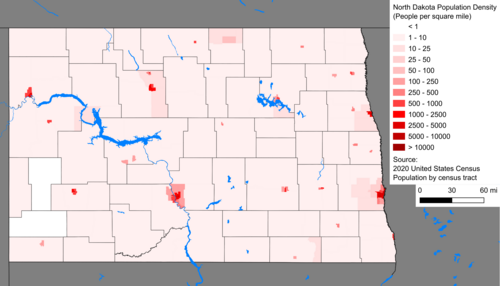
As of 2025 estimates, the population of North Dakota is approximately 799,358, with a population density of about 10.7 people per square mile. The state's population has seen notable shifts, including a significant increase between the 2010 and 2020 census periods.
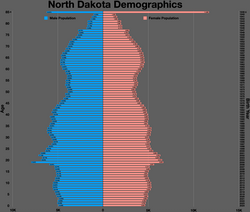
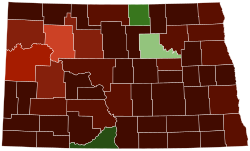
The ethnic composition of the state is predominantly White (Non-Hispanic), though there are significant and growing communities of Black or African American, Native American, Asian, and Hispanic or Latino residents. The state is also home to several Native American tribes and reservations, including the Mandan, Hidatsa, and Arikara Nation, the Standing Rock Sioux, and the Spirit Lake Tribe.
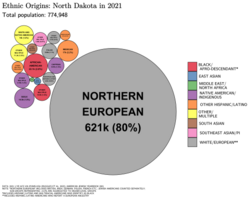
![Largest alone or in any combination ethnic origin by county in North Dakota, per the 2020 census [66]](/images/60/bf/60bfe35f6f050e3869e882a93cd55f56bd931ad5887dcad7dabcf8a0c7b301a1.jpg)
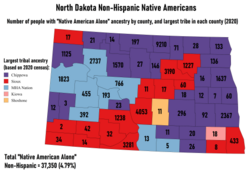
Cultural influences, particularly Norwegian, Icelandic, and German from Russia, have historically shaped the state's social fabric. Religious affiliation remains significant, with Christianity accounting for approximately 80% of the population.
Economy: Agriculture and Energy
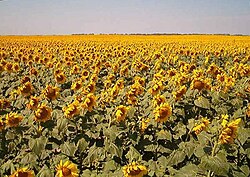
North Dakota is a powerhouse in American agriculture. The state leads the nation in the production of several commodities, including canola, flaxseed, honey, and various types of beans. Durum wheat and sunflowers are also critical components of the state's agricultural economy.
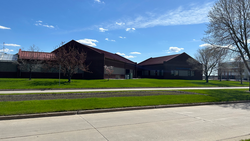
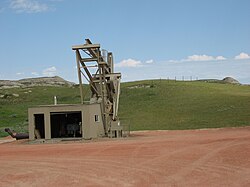
Beyond the fields, the energy sector plays a vital role, particularly in western North Dakota, where oil production is a major economic driver.
Economic Summary Table
| Category | Key Detail / Commodity | National Rank/Percentage |
|---|---|---|
| Agriculture | Canola | 1st (83%) |
| Agriculture | Flaxseed | 1st (87%) |
| Agriculture | Honey | 1st (22%) |
| Agriculture | Pinto Beans | 1st (46%) |
| Median Household Income | 2023 Data | $76,500 |
Government and Education
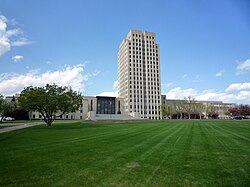
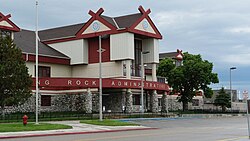
The state government is organized into executive, legislative, and judicial branches. The capital, Bismarck, serves as the seat of government, housing various state agencies and the North Dakota Supreme Court.
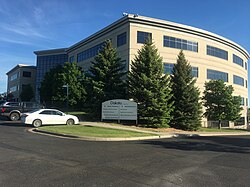
The higher education system is robust, comprising the North Dakota University System, which includes institutions like the University of North Dakota and North Dakota State University, as well as various tribal colleges and private institutions.
Frequently Asked Questions
What are the nicknames of North Dakota?
North Dakota is commonly referred to as the Peace Garden State, the Roughrider State, and the Flickertail State.
What are the major cities in North Dakota?
Bismarck is the state capital, while Fargo is the largest city and serves as part of the largest metropolitan area, Fargo-Moorhead.
Which agricultural products is North Dakota known for?
The state is a leading producer of canola, flaxseed, honey, pinto beans, and durum wheat.
What is the climate like in North Dakota?
North Dakota experiences significant temperature variations, with hot summers and very cold winters, often seeing extreme temperature swings throughout the year.
How many Native American tribes are in North Dakota?
The state is home to several tribes and reservations, including the Mandan, Hidatsa, and Arikara Nation, the Sisseton Wahpeton Oyate, the Standing Rock Sioux, and the Spirit Lake Tribe.