Nirvanna the Band the Show the Movie: The Making of a Guerilla Cinema Epic
What happens when a cult web series evolves into a feature-length cinematic experiment? Nirvanna the Band the Show the Movie is the culmination of a journey that began in 2007, transforming from a niche digital project into a high-stakes parody of cinema's greatest hits. Directed by Matt Johnson, the film blends improvised comedy, daring guerilla tactics, and a complex time-travel narrative.
From Web Series to Feature Film
The project's roots trace back to 2007, when filmmakers Matt Johnson and Jay McCarrol created a web series featuring fictionalized versions of themselves attempting to book a gig at Toronto's Rivoli. While a television adaptation aired on Viceland from 2017 to 2018, the third season remained unreleased due to the network's discontinuation.
Following the success of his 2023 film BlackBerry, Johnson secured funding from Telefilm Canada to pivot the series into a feature film. His goal was to create a story accessible to new audiences while potentially paving the way for the release of the television show's final season.
The Evolution of the Plot
The film's concept underwent a radical transformation. Initially, Johnson envisioned a road trip across the United States inspired by A Confederacy of Dunces and The Trip (2010), including a sequence in New Orleans that parodied The Talented Mr. Ripley. However, the creators felt the road trip lacked the necessary scope for a feature film.
Inspired by a pitch from McCarrol to parody the biggest movies of all time and the discovery of unused footage from the original web series, the team developed a time-travel plot inspired by Back to the Future (1985). To achieve this, the film utilizes audiovisual material from Back to the Future, relying on fair use—a legal doctrine that permits the use of copyrighted material for purposes such as parody—under United States law.
Guerilla Filming and High-Stakes Stunts
The production was a massive undertaking, shot over 200 days with a lean crew of four to eight people. Adopting a hidden camera style, many exterior scenes were filmed in public without permits, incorporating unsuspecting bystanders and improvised dialogue.
The technical approach varied by era: the majority of the film used the Sony PXW-Z280, while 2008 sequences utilized the HVX and Panasonic AG-DVX100A. The opening credits were captured on 16 mm film for a distinct aesthetic.
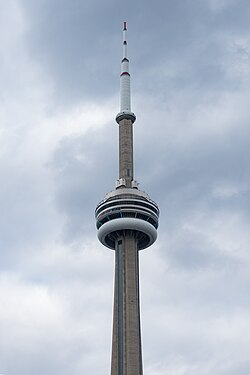
The CN Tower Heist
One of the film's most daring sequences took place at Toronto's CN Tower, filmed entirely without permits. The production used a GoPro attached to the helmet of an oblivious tour guide to capture authentic reactions and movements. While a replica of the tower's tip was used for scenes showing Matt reeling down a cable, the crew faced challenges with drone regulations in the Greater Toronto Area. To bypass height restrictions, the drone operator reprogrammed the device to recognize the top of a tall building as ground level.
Real-World Chaos and Integration
The production frequently leaned into real-world events to add authenticity. In May 2024, during a shooting at musician Drake's Bridle Path mansion, the crew captured footage of McCarrol running from the scene. This footage, along with recontextualized police statements and news coverage, was integrated into the film's narrative.
![The production team recontextualised real police statements and press coverage relating to a Toronto shooting for use in the film. During filming, Johnson and cinematographer Jared Raab were captured in a CP24 news report.[31][32]](/images/48/57/48570ac3b802274e240fc3a698d6c4b1cdcb3914fc11e82e8c8c6db53fffa21a.png)
Other notable production feats include:
- The Arkells Performance: Jay's performance of "Never Come Down" was filmed at the Budweiser Stage during an Arkells concert.
- The Taylor Swift Diversion: A scene involving a parachute landing on a streetcar was timed to coincide with a Taylor Swift Eras Tour concert in November 2024 to mask the production's chaos within the city's general congestion.
- The Paradise Theatre: Fans of the series served as extras for a scene where the protagonists watch The Hangover.
Musical Influence and Post-Production
The film's score, composed by McCarrol, was heavily influenced by Alan Silvestri's work on Back to the Future, as well as the orchestral styles of John Williams and Bernard Herrmann (specifically the score for Vertigo). McCarrol utilized the octatonic scale to evoke a classic adventure feel without creating a direct "soundalike" copy.
In post-production, editors Curt Lobb and Robert Upchurch reviewed hundreds of hours of raw footage to write the 2008 sequences. The production design team then recreated the 2008 apartment on a soundstage using only web series footage as a reference. The film concludes with a cover of "Waters of March" by Susannah McCorkle, paying homage to the 2002 documentary Comedian.
Following premieres at the world premiere and TIFF, Johnson recut the film twice based on audience feedback, suggesting that the digital and Blu-ray releases may differ from the theatrical version.
Key Facts
- Production Duration: Shot over 200 days with a crew of 4–8 people.
- Legal Strategy: Relies on "fair use" for the use of Back to the Future materials.
- Guerilla Tactics: Filmed at the CN Tower and during a Taylor Swift concert without permits.
- Technical Gear: Used Sony PXW-Z280, HVX, Panasonic AG-DVX100A, and 16 mm film.
- Funding: Secured via Telefilm Canada following the success of BlackBerry.
| Category | Details |
|---|---|
| Primary Influence | Back to the Future (1985) |
| Filming Style | Guerilla / Hidden Camera / Improvised |
| Key Locations | Toronto (CN Tower, Paradise Theatre, Bridle Path) |
| Music Influences | Alan Silvestri, John Williams, Bernard Herrmann |
| Post-Production | Recut twice based on audience reactions |
Frequently Asked Questions
Why did the film change from a road trip to a time-travel story?
After reviewing footage from a US-based road trip, Matt Johnson and Jay McCarrol felt the storyline lacked the necessary scope for a feature film. This led them to develop a parody of major cinema hits, utilizing unused web series footage to create a time-travel narrative.
How did the crew film the CN Tower scenes without permits?
The crew used a GoPro attached to a tour guide's helmet to capture authentic footage and built a replica of the tower's tip for specific shots. They also reprogrammed a drone to bypass height restrictions in the Greater Toronto Area.
Is the use of Back to the Future footage legal?
The production relies on the legal concept of "fair use" under United States copyright law, which allows for the use of copyrighted material when it is used for the purpose of parody.
How was the 2008 timeline recreated?
Editors reviewed hundreds of hours of raw footage from the original web series to write the scenes, and the production design team rebuilt the 2008 apartment on a soundstage using only that footage as a reference.
Will the home release of the movie be different from the cinema version?
Yes, Matt Johnson indicated that the film was recut twice following its premieres based on audience reactions, and there is a strong possibility that the Blu-ray and digital versions will feature major changes.