Nigeria National Football Team: The Legacy of the Super Eagles
The Nigeria national football team, affectionately known as the Super Eagles, stands as one of the most formidable forces in African football. Managed by the Nigeria Football Federation (NFF) and competing under the Confederation of African Football (CAF), the team has a storied history of continental dominance and global competitiveness. From their early days as the "Red Devils" to becoming a mainstay in the FIFA World Cup, the Super Eagles embody the passion and talent of West African sport.
The team's journey began in 1949, marking the start of a trajectory that would see them climb as high as 5th in the FIFA World Rankings in April 1994. Today, they continue to be a powerhouse, blending legendary experience with a new generation of world-class talent.
Key Facts
- Nickname: Super Eagles
- Major Honors: 3-time Africa Cup of Nations (AFCON) Champions (1980, 1994, 2013)
- World Cup Record: 6 appearances, with a best result of the Round of 16 (1994, 1998, 2014)
- All-Time Top Scorer: Rashidi Yekini (37 goals)
- Most Capped Player: Ahmed Musa (110 appearances)
- Current Head Coach: Éric Chelle
- Current Captain: Wilfred Ndidi
Historical Evolution
Early Years and Foundation
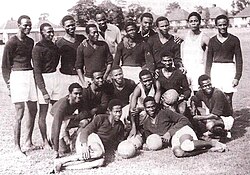
Nigeria played its first international match on October 8, 1949, securing a 2–0 victory against Sierra Leone in Freetown. In those early years, the team was known as the "Red Devils" due to their distinctive red shirts. While the early decades were spent building a foundation, the team's growth accelerated as they became more integrated into CAF and FIFA.
The Golden Era and World Cup Breakthroughs
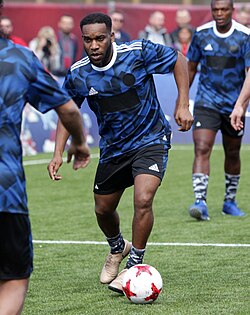
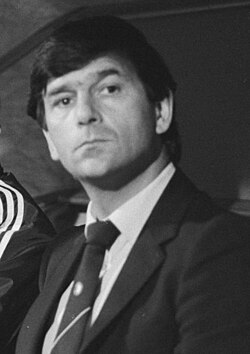
The 1990s marked a transformative period for the Super Eagles. Under the guidance of coaches like Clemens Westerhof, Nigeria broke through onto the global stage, qualifying for their first FIFA World Cup in 1994. This era saw the emergence of legendary players such as Jay-Jay Okocha, who represented the nation in three World Cups.
Continental Dominance in AFCON
The Africa Cup of Nations (AFCON) has been the primary stage for Nigeria's success. The team has claimed the championship title three times: first in 1980, then in 1994, and most recently in 2013. Beyond these titles, they have finished as runners-up five times and secured third place on nine separate occasions, cementing their status as a perennial contender in African football.
Global Performance and Rivalries
FIFA World Cup Journey
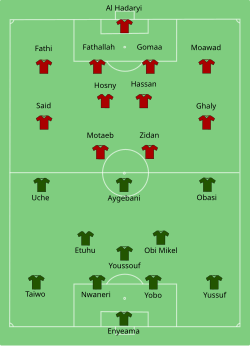
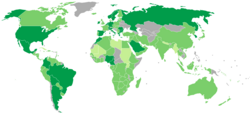
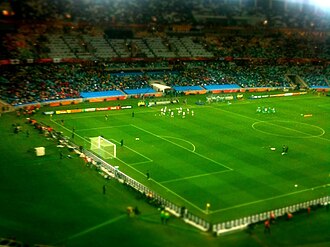
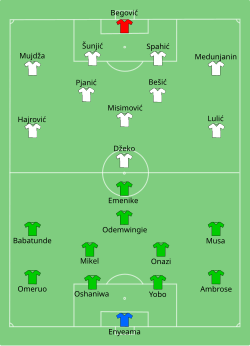
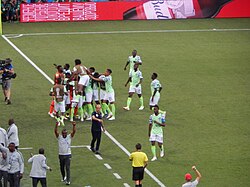
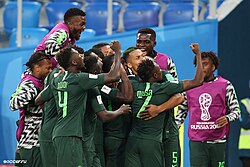
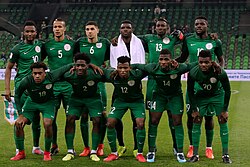
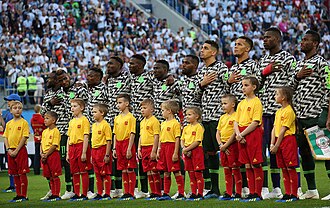
Nigeria has appeared in the FIFA World Cup six times between 1994 and 2018. Their most successful campaigns saw them reach the Round of 16 in 1994, 1998, and 2014. While they have faced tough opposition, including high-profile clashes with Argentina and South Korea, the Super Eagles remain a respected opponent on the world stage.
Regional and International Rivalries
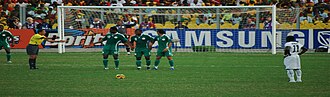
The Super Eagles maintain intense rivalries within Africa, most notably with Ghana and Cameroon. These matches are often more than just games; they are battles for West African supremacy. Internationally, the team has developed a recurring competitive history with Argentina, often facing them in friendly matches and World Cup tournaments.
Team Infrastructure and Records
Home Venues
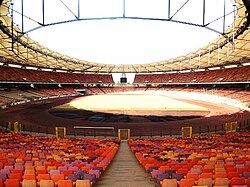
Nigeria utilizes various stadiums across the country for home matches. The Moshood Abiola National Stadium in Abuja serves as a primary hub with a capacity of over 60,000, though other venues like the Godswill Akpabio International Stadium in Uyo and the Lagos National Stadium are frequently used.
Player Milestones
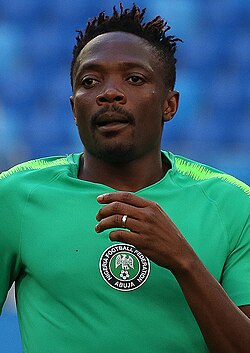
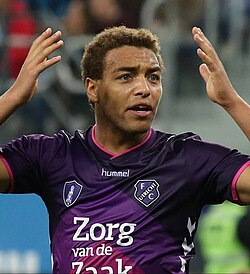
The team's history is defined by exceptional individuals. Ahmed Musa holds the record for the most appearances with 110 caps, while Rashidi Yekini remains the all-time leading goalscorer with 37 goals. In the modern era, Victor Osimhen has rapidly climbed the ranks, becoming the second-highest scorer in the team's history.
Summary of Major Achievements
| Competition | Titles | Years Won | Best Other Result |
|---|---|---|---|
| Africa Cup of Nations | 3 | 1980, 1994, 2013 | Runners-up (5 times) |
| Afro-Asian Cup of Nations | 1 | 1995 | N/A |
| WAFU Nations Cup | 1 | 2010 | Runners-up (2 times) |
| African Nations Championship | 0 | N/A | Runners-up (2018) |
| FIFA World Cup | 0 | N/A | Round of 16 (3 times) |
Frequently Asked Questions
What is the nickname of the Nigeria national football team?
The team is known as the Super Eagles, although they were referred to as the "Red Devils" during their early years in the late 1940s.
How many times has Nigeria won the Africa Cup of Nations?
Nigeria has won the Africa Cup of Nations three times, claiming the title in 1980, 1994, and 2013.
Who is the all-time leading goalscorer for the Super Eagles?
Rashidi Yekini is the top scorer for the national team, having netted 37 goals in 62 appearances.
What is Nigeria's best performance in the FIFA World Cup?
Nigeria's best result in the FIFA World Cup is reaching the Round of 16, an achievement they reached in 1994, 1998, and 2014.
Who currently holds the record for the most caps for Nigeria?
Ahmed Musa is the most capped player in the history of the Nigeria national team, with 110 appearances.