Nigella: The Versatile Beauty of Love-in-a-Mist
The genus Nigella comprises approximately 25 species of annual or biennial plants belonging to the Ranunculaceae family. Native to a wide geographic range including Macaronesia, North Africa, the Middle East, Central Asia, and southern and central Europe, these plants are cherished for their ethereal appearance and diverse utility. Commonly known as love-in-a-mist or devil-in-a-bush, Nigella species bridge the gap between ornamental garden beauty and potent medicinal and culinary applications.
Botanical Characteristics
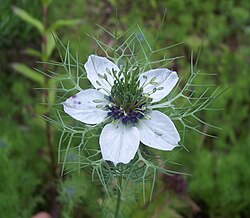
Nigella plants typically grow between 20 to 90 cm (8 to 35 in) in height. They are easily identified by their finely divided, threadlike or narrowly linear leaves. The flowers are a highlight of the genus, appearing in shades of white, yellow, pink, pale blue, or pale purple, and typically feature five to ten petals.
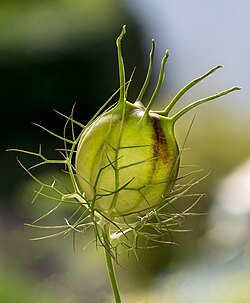
The fruit of the plant is a capsule formed by several united follicles—dry fruits that split open along a seam. In certain species, such as Nigella damascena, these capsules are notably large and inflated.
Species Diversity
While there are many species within the genus, some of the most prominent include:
- Nigella damascena: The classic "love-in-a-mist" found in cottage gardens.
- Nigella sativa: The primary source of black cumin seeds.
- Nigella hispanica: A taller variety characterized by larger blue flowers, grey leaves, and red stamens.
Key Facts
- Family: Ranunculaceae.
- Common Names: Love-in-a-mist, devil-in-a-bush, black cumin, kalonji.
- Distribution: Native to Europe, North Africa, Middle East, and Central Asia.
- Growth Habit: Annual or biennial, reaching up to 90 cm.
- Primary Uses: Culinary spice, ornamental gardening, and traditional medicine.
Culinary and Garden Uses
The Spice of Nigella sativa
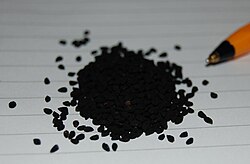
The seeds of Nigella sativa are highly valued globally and are known by many names, including kalonji, black cumin, black caraway, black coriander, and onion seed. In historical Roman cuisine, they were referred to as git. These seeds serve as a staple spice and condiment in Polish, Middle Eastern, Ethiopian, and South Asian cuisines.
Ornamental Gardening
Nigella species are popular in landscaping due to their delicate aesthetic. Nigella damascena has been a staple of English cottage gardens since the Elizabethan era. Gardeners often leave the seed pods to mature, as the plants are self-sowing. Additionally, the dried seed capsules are frequently used in professional flower arrangements for their unique structure.
Traditional and Scientific Medicine
In traditional medicine, Nigella seeds are utilized as a carminative (a substance that helps reduce gas in the digestive tract) and a stimulant to treat indigestion, bowel issues, and intestinal worms. They are also used to reduce flatulence, induce sweating, and treat nerve defects. Interestingly, dried pods have been sniffed to help restore a lost sense of smell, and the plant is used as a natural insect repellent.
Modern scientific research has explored the pharmacological properties of the genus. Studies indicate that Nigella possesses several beneficial properties, including:
- Anti-inflammatory and Anti-oxidative: Reducing swelling and cellular damage.
- Anti-microbial: Exhibiting antibacterial, anti-fungal, and anti-mycotic effects.
- Advanced Therapeutic Potential: Showing anti-viral, anti-cancer, and antihistamine properties.
Naturopaths often recommend black cumin oil or powder for various pathologies, including asthma, diabetes, acne, and skin conditions such as eczema and psoriasis, as well as for relieving muscle pain.
Summary of Nigella Varieties
| Species | Common Name | Primary Use | Distinguishing Feature |
|---|---|---|---|
| N. damascena | Love-in-a-mist | Ornamental | Inflated seed capsules |
| N. sativa | Black Cumin / Kalonji | Culinary / Medicinal | Highly aromatic seeds |
| N. hispanica | Spanish Nigella | Ornamental | Red stamens and grey leaves |
Frequently Asked Questions
What is the difference between black cumin and black caraway?
In the context of Nigella, these are often different names for the same seed (Nigella sativa), though they are botanically distinct from true caraway.
How do I get Nigella to return to my garden every year?
Nigella seeds are self-sowing. To ensure they return, allow the seed pods to mature fully on the plant before they are removed or harvested.
What are the medicinal benefits of black cumin oil?
Black cumin oil is used by naturopaths to treat skin diseases (like acne and psoriasis), muscle pain, and to help manage conditions such as asthma and diabetes.
Can Nigella be used for more than just food and medicine?
Yes, the dried seed capsules are popular in floral arrangements, and the plant can be used as a natural repellent for certain insects.