NHS Wales: Organizational Structure and Service Delivery
The National Health Service (NHS) in Wales operates through a streamlined organizational framework designed to provide comprehensive healthcare across the nation. This system is primarily managed through a combination of Local Health Boards (LHBs) and specialized all-Wales trusts, ensuring that medical services are accessible from rural villages to major urban centers.
Key Facts
- NHS Wales is delivered via seven local health boards and three national NHS trusts.
- The current structure was established on October 1, 2009, replacing a previous system of 22 LHBs and seven trusts.
- Local Health Boards are responsible for all NHS healthcare services within their specific geographical areas.
- Three "all-Wales trusts" provide specialized services across the entire country.
- The system utilizes Network Clusters to manage service delivery within health board boundaries.
The Role of Local Health Boards
Local Health Boards (LHBs) serve as the primary administrative bodies for healthcare in Wales. Each board is tasked with the delivery of all NHS services within its designated region. To manage these services effectively, each LHB is further divided into Network Clusters, which allow for more localized coordination of care.
The seven health boards and their respective clusters are as follows:
Betsi Cadwaladr University Health Board
Serving the north, this board includes clusters such as Anglesey, Arfon, Central & South Denbighshire, Conwy East, Conwy West, North East Flintshire, Dwyfor, North West Flintshire, Meirionnydd, South Flintshire, North Denbighshire, South Wrexham, North & West Wrexham, and Central Wrexham.
Hywel Dda University Health Board
This board manages clusters including Amman/Gwendraeth, Llanelli, North Ceredigion, North Pembrokeshire, South Ceredigion, South Pembrokeshire, and Taf/Tywi.
Cwm Taf Morgannwg University Health Board
This board oversees the Bridgend East, North, and West Networks, as well as North and South clusters for Cynon, Merthyr Tydfil, Rhondda, and Taf Ely.
Powys Teaching Health Board
Covering a large rural area, this board is divided into Mid, North, and South Powys clusters.
Cardiff and Vale University Health Board
This board manages the capital and surrounding areas, including Cardiff East, South East, North, South West, West, and City & Cardiff South, along with Central, Eastern, and Western Vale.
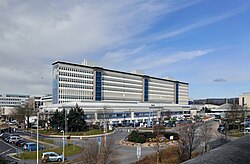
Swansea Bay University Health Board
Clusters under this board include Afan, BayHealth, CityHealth, Cwmtawe, Llwchwr, Neath, Penderi, and Upper Valleys.
Aneurin Bevan University Health Board
This board covers Blaenau Gwent (East and West), Caerphilly (East, North, and South), Monmouthshire (North and South), Newport (North, East, and West), and Torfaen (North and South).
All-Wales NHS Trusts
While health boards manage regional care, three specialized entities known as "all-Wales trusts" provide services that span the entire country:
- The Welsh Ambulance Service: Providing emergency medical transport and urgent care.
- Velindre University NHS Trust: This trust operates the Welsh Blood Service and the Velindre Cancer Centre.
- Public Health Wales: Focused on the protection and improvement of health across the population.
Evolution and Administration
The current structure was implemented on October 1, 2009, as part of a major reorganization. This move abolished the previous two-tiered system of 22 local health boards and seven trusts, consolidating responsibility for all NHS services directly into the health boards.
Administrative boundaries occasionally shift to optimize care. For example, in April 2019, responsibility for health services in Bridgend County Borough was transferred from the Abertawe Bro Morgannwg University Health Board to the Cwm Taf University Health Board, resulting in name and boundary updates for both entities.
Financial reports indicate that between 2013 and 2015, five health boards utilized spot contracts with private healthcare providers for elective surgery, with costs exceeding £6 million.
General Practice and Indemnity
In 2019, the Welsh government introduced an NHS indemnity scheme for General Practitioners (GPs) to alleviate the cost of insurance premiums. The scheme cost £11.3 million, which was deducted from the global sum, thereby reducing the overall income of GP practices.
This decision faced opposition from the British Medical Association (BMA), which argued that indemnity costs for other staff were funded centrally and noted that a similar scheme in England was centrally funded rather than deducted from practice income.
Summary of NHS Wales Structure
| Entity Type | Quantity | Primary Responsibility |
|---|---|---|
| Local Health Boards (LHBs) | 7 | Regional delivery of all NHS healthcare services via Network Clusters. |
| All-Wales Trusts | 3 | Nationwide specialized services (Ambulance, Cancer/Blood, Public Health). |
Frequently Asked Questions
When was the current NHS Wales structure established?
The current system of seven health boards and three trusts was created on October 1, 2009, following a reorganization that replaced 22 local health boards and seven trusts.
What are all-Wales trusts?
All-Wales trusts are national organizations that provide specialized services across the entire country. These include the Welsh Ambulance Service, Public Health Wales, and the Velindre University NHS Trust.
How are Local Health Boards organized internally?
Each Local Health Board is divided into several Network Clusters to help manage and deliver healthcare services within their specific geographical area.
What is the Velindre University NHS Trust responsible for?
The Velindre University NHS Trust is responsible for operating the Welsh Blood Service and the Velindre Cancer Centre.
Why was the 2019 GP indemnity scheme controversial?
The scheme was controversial because the £11.3 million cost was deducted from the global sum, reducing GP practice income, whereas the British Medical Association noted that similar costs for other staff were borne centrally.