Newsagents and Newsstands: A Global Look at Periodical Retail
From the bustling corners of New York City to the sun-drenched streets of Athens, the newsagent—known by various names globally—serves as a vital hub for information and convenience. These small businesses specialize in the sale of newspapers and magazines, often supplementing their inventory with snacks, tobacco, and items of local interest. Whether they exist as freestanding kiosks or integrated shops within transit hubs, they provide essential services to commuters and residents alike.
While the digital age has shifted how we consume media, the physical newsstand remains a cultural landmark in many cities, evolving from simple paper shops into diverse retail outlets.
Key Facts
- Terminology: Called a "newsagent's" or "paper shop" in the UK, "newsagency" in Australia, and "newsstand" in North America.
- Global Variations: Known as periptera in Greece, edicola in Italy, and bancas de jornal in Brazil.
- Location: Typically situated in high-traffic areas such as railway stations, airports, and busy city intersections.
- Product Range: Beyond periodicals, they often sell stationery, greeting cards, beverages, and snacks.
- Business Models: Can range from small family-owned kiosks to massive global chains like Hudson News.
Regional Variations and Terminology
The name and nature of these establishments vary significantly by country, reflecting local linguistic preferences and consumer habits.
North America
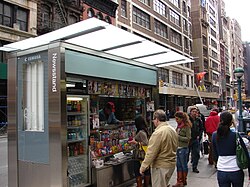
In the United States and Canada, these are primarily called newsstands. They are often open stalls located in public spaces, transit terminals, or subway platforms. In New York City, many are constructed from steel beams and aluminum siding, requiring specific city permits to operate.
United Kingdom and Ireland
Commonly referred to as newsagents or paper shops, these businesses often combine counter sales with home delivery. A traditional feature of the UK newsagent is the "paper round," where children are employed to deliver newspapers to local residents. While many are independent and family-owned, others are part of large chains such as WHSmith or The Co-op.
Australia
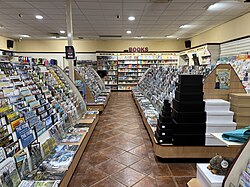
In Australia, the term newsagency is used. These businesses are split into two primary types: retail newsagencies, which focus on in-store sales of stationery and magazines, and distribution newsagencies, which manage sophisticated, often computerized home delivery networks. The industry has seen a decline in numbers, dropping from approximately 5,000 in 2000 to 3,150 by 2016/7.
Europe and South America
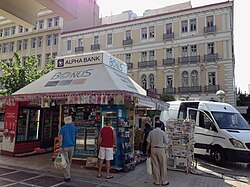
- Greece: Known as periptera, these kiosks are found in crowded public areas and sell a wide array of goods, including alcoholic beverages and tobacco.
- Italy: Called edicola, these are typically family-owned kiosks selling periodicals, stickers, and bus tickets.
- Brazil: Known as bancas de jornal or bancas de revistas, these freestanding kiosks often sell telephone cards and bus tickets alongside magazines.
Japan
In Japan, these shops are called kiosks and are most common around railway and subway stations. A unique offering at larger inter-city rail kiosks is the ekiben, or boxed lunch.
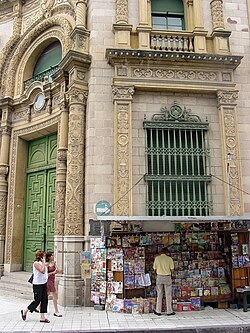
Comparison of Global Newsagent Types
| Region | Local Term | Primary Characteristics | Common Additional Goods |
|---|---|---|---|
| USA/Canada | Newsstand | Open stalls, transit hubs | Commuter essentials |
| UK/Ireland | Newsagent | Home delivery (paper rounds) | Sweets, tobacco, provisions |
| Australia | Newsagency | Retail and distribution split | Stationery, greeting cards |
| Greece | Periptero | Roadside kiosks | Beverages, snacks |
| Italy | Edicola | Family-owned kiosks | Stickers, bus tickets |
| Japan | Kiosk | Station-centric | Ekiben (boxed lunches), stamps |
Frequently Asked Questions
What is the difference between a retail and distribution newsagency?
Retail newsagencies focus on walk-in customers buying magazines and stationery, while distribution newsagencies manage the logistics of delivering newspapers to homes, often operating as larger, computerized businesses with protected territories.
What is a "paper round"?
A paper round is a traditional British practice where a person, typically a child, is employed by a newsagent to deliver newspapers to a specific set of residential addresses.
How have newsstands evolved in cities like San Francisco?
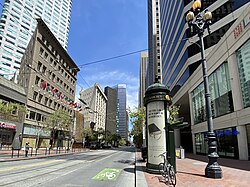
In San Francisco, traditional newsstands were replaced by JCDecaux kiosks as part of a street furniture contract. Some of these have since been repurposed for other uses, such as "Free Bike Repair" stations, as news vendors declined.
What is Hudson News?
Hudson News is a prominent newsstand brand created in New York City in 1987. It specializes in commuter terminals and now operates more than 500 stores worldwide.
Are newsagents still common in Australia?
While still present, the number of Australian newsagencies has been falling. Estimates show a decrease from roughly 5,000 in 2000 to 3,150 in the 2016/7 period.