Newark, New Jersey
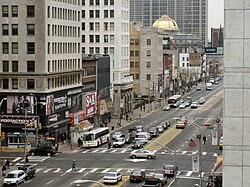
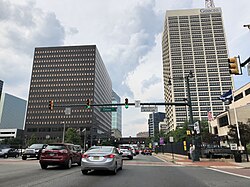
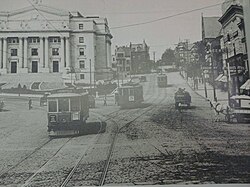
Known by nicknames such as Brick City and the Gateway City, Newark is the most populous city in New Jersey and the seat of Essex County. Founded as a religious colony in 1663 and named after Newark-on-Trent in Nottinghamshire, England, the city has evolved from a colonial settlement into a major American urban center. Today, it serves as a critical hub for transportation, commerce, and the arts.
Newark's strategic location makes it a vital link between the New York metropolitan area and the rest of the East Coast. With a diverse population and a rich industrial heritage, the city continues to undergo a period of revitalization, often referred to as Renaissance Newark.
Key Facts
- Population: 311,549 (2020 Census), with a 2025 estimate of 323,808.
- Geography: Covers 25.88 square miles, ranking as the largest city in New Jersey.
- Governance: Operates under the Faulkner Act (mayor-council) led by Mayor Ras Baraka.
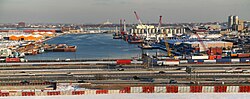
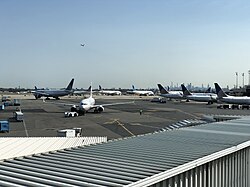
- Economy: Driven by the Port Newark-Elizabeth Marine Terminal and Newark Liberty International Airport.
- Culture: Home to the Newark Museum of Art, the largest museum in the state.
Geography and Climate
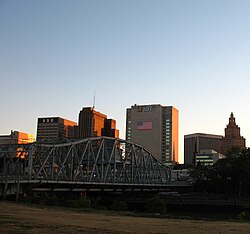
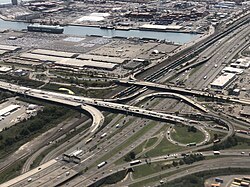
Newark is situated in the northeastern part of New Jersey at an elevation of approximately 13 feet. The city's landscape is defined by its proximity to the Passaic River and its extensive infrastructure of roads and rails.
The climate is characterized by four distinct seasons. Summer months are typically hot and humid, with July seeing a mean maximum temperature of 98.7°F. Winters are cold, with January averaging a mean daily minimum of 25.5°F. The city receives an average annual precipitation of 46.60 inches, distributed relatively evenly throughout the year.
Demographics and Society
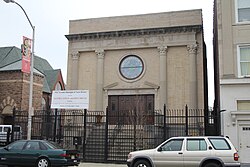
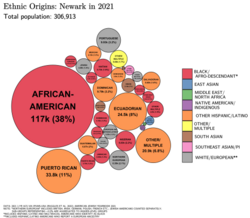
Newark is a melting pot of ethnic and racial backgrounds. As of the 2020 Census, the population is approximately 48.2% Black or African American, 36.8% Hispanic or Latino, and 22.7% White. This diversity is reflected in the city's religious and cultural institutions, ranging from historic synagogues to Catholic shrines.
Religious and Cultural Landmarks
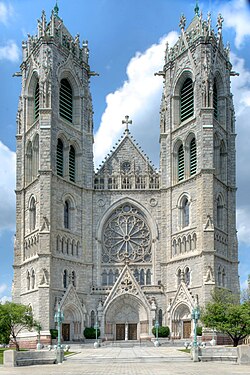
The city's spiritual landscape is diverse. The Cathedral Basilica of the Sacred Heart is a massive structure comparable in size to Westminster Abbey and features the largest circular Great Rose Window of any Catholic church in the Western Hemisphere.
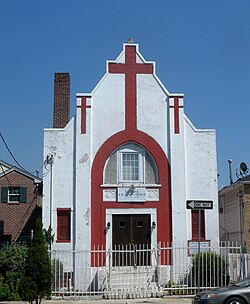
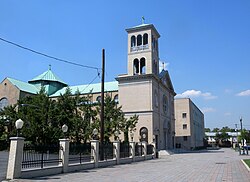
Other notable sites include St. Lucy's Church, home to the National Shrine of St. Gerard, the Mt. Olive African Methodist Episcopal Church, and Congregation Ahavas Sholom.
Arts, Culture, and Recreation
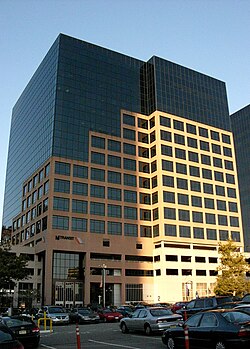
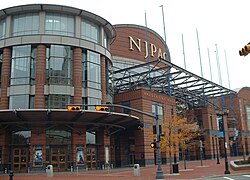
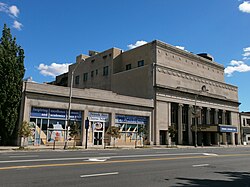
Newark boasts a vibrant arts scene and several world-class venues. The New Jersey Performing Arts Center (NJPAC) and the historic Newark Symphony Hall are centers for music and theater. For art enthusiasts, the Newark Museum of Art provides extensive collections across three buildings.
Public Spaces and Parks
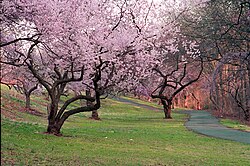
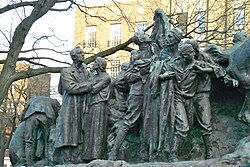
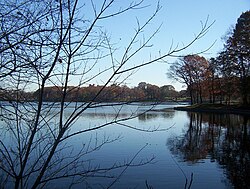
The city offers numerous green spaces for residents and visitors. Branch Brook Park in the North Ward is renowned for its beauty, while Weequahic Lake provides a scenic retreat in Weequahic Park. Military Park serves as a central urban square and is home to the "Wars of America" monument, created by Gutzon Borglum, the sculptor of Mount Rushmore.
Economy and Infrastructure
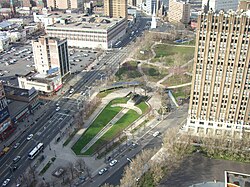
Newark's economy is heavily influenced by its role as a logistics powerhouse. The Port Newark-Elizabeth Marine Terminal is one of the busiest ports on the East Coast, facilitating global trade.
Transportation Hubs
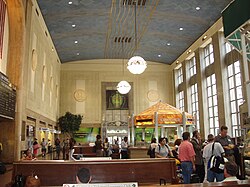
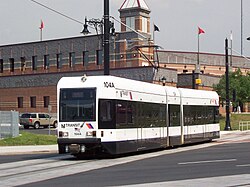
The city is a nexus of transportation. Newark Penn Station is the seventh busiest rail station in the United States, connecting commuters to New York City and beyond. The city is also served by the Newark Light Rail and is the site of Newark Liberty International Airport.
Sports and Entertainment
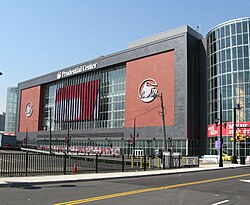
The Prudential Center is the city's premier sports and entertainment venue, hosting the NHL's New Jersey Devils and the PWHL's New York Sirens, as well as NCAA basketball games for the Seton Hall Pirates.
City Overview Summary
| Category | Details |
|---|---|
| Founded | 1663 (Religious colony) |
| Total Area | 25.88 sq mi |
| Population (2020) | 311,549 |
| Major Airport | Newark Liberty International |
| Primary Sports Venue | Prudential Center |
| State Rank (Pop.) | 1st in New Jersey |
Frequently Asked Questions
What are the nicknames of Newark?
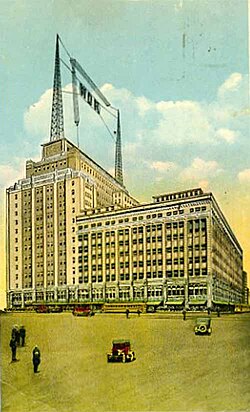
Newark is commonly referred to as Brick City, the Gateway City, Renaissance Newark, and Nork.
What is the significance of the Cathedral Basilica of the Sacred Heart?
It is a massive structure roughly the size of Westminster Abbey and contains the largest circular Great Rose Window of any Catholic church in the Western Hemisphere.
Which professional sports teams play in Newark?
The New Jersey Devils (NHL) and the New York Sirens (PWHL) both play at the Prudential Center.
How important is Newark's transportation infrastructure?
Newark is a critical hub, featuring Newark Penn Station (the 7th busiest in the U.S.), Newark Liberty International Airport, and the Port Newark-Elizabeth Marine Terminal.
Who is the current mayor of Newark?
The current mayor is Ras Baraka, whose term ends on June 30, 2030.