New Orleans Streetcars: A History of the Crescent City's Iconic Rail System
Few symbols are as synonymous with the charm of New Orleans as its streetcars. From the rhythmic clang of the bells to the sight of vintage cars gliding under a canopy of live oaks, these rail lines are more than just transit—they are moving landmarks. While many cities abandoned their rails for rubber tires in the mid-20th century, New Orleans has fought to preserve its heritage while expanding its modern network.
Today, the system is managed by the New Orleans Regional Transit Authority (RTA), operating a blend of historic rolling stock and modern infrastructure that connects the Central Business District, the French Quarter, and the historic Garden District.
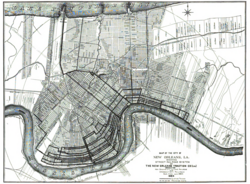
Key Facts
- Oldest Continuous Line: The St. Charles Avenue Line is the only route to have operated continuously throughout the city's streetcar history.
- Current Network: There are five operating lines: St. Charles, Canal (two branches), Riverfront, and Rampart–Loyola.
- Track Gauge: The system uses a wide gauge of 5 ft 2.5 in (1,588 mm).
- Annual Ridership: Approximately 3,136,500 passengers (2025).
- Electrification: The lines are powered by 600 V DC overhead lines.
The Evolution of New Orleans Transit
Early Beginnings and Horsecar Era
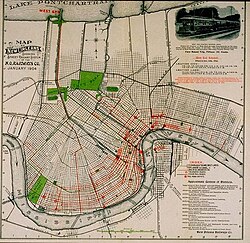
The journey began in September 1835 with the introduction of steam locomotives and horsecars. Early transit was fragmented, with several competing companies emerging in the 1860s, including the Magazine Street Railroad Company, the Crescent City Railroad Co., and the St. Charles Street Railroad Company. These early horsecar lines often overlapped, creating a complex web of transit across the city.
Electrification and Expansion
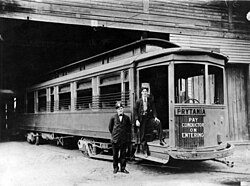
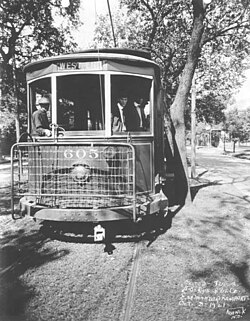
The system underwent a massive transformation in February 1893 with the introduction of electric streetcars, or trams. This era saw the proliferation of dozens of lines, such as the "Silk Stocking Line" (Prytania) and the "Snake Line" (Coliseum), named for its winding path through uptown New Orleans. By the early 20th century, the network was a vital artery for the city's growth.
Decline and Preservation
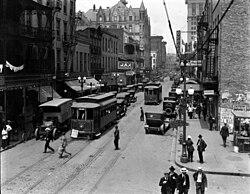
Between the late 1940s and early 1960s, most streetcar lines were replaced by diesel buses. However, preservationists successfully secured historic landmark protection for the St. Charles Avenue Line, ensuring that the city's most famous route survived the era of automotive dominance.
Modern Era and Recovery
The Return of the Rails
Interest in rail transit saw a resurgence in the late 20th century. The Riverfront Line opened in 1988, marking the first new line since 1926. This was followed by the restoration of the Canal Street line in 2004 and the opening of the Loyola Avenue line in 2013, which later extended to Rampart Street in 2016.
Impact of Hurricane Katrina
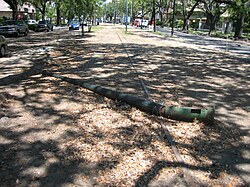
The system faced a severe challenge in August 2005 when Hurricane Katrina caused widespread damage. The St. Charles line was shut down to allow for safe electrical upgrades and repairs. Service was restored in phases, beginning in the Central Business District in December 2006 and finally reaching the end of the line on Carrollton Avenue by June 2008.
Current System Overview
Operating Lines
- St. Charles: The historic backbone of the system, running through the Garden District.
- Canal/Cemeteries: A reconstructed line running the length of Canal Street to City Park Avenue.
- Riverfront: A scenic route running parallel to the Mississippi River from the French Quarter to the Convention Center.
- Rampart–Loyola: Connecting the Union Passenger Terminal to Elysian Fields Avenue.
Rolling Stock
The RTA utilizes a variety of cars to balance history with accessibility. The 900 series, built by Perley A. Thomas between 1923 and 1924, provides the classic experience, while the 457 and 2000 series offer modern amenities and increased capacity.
| Model | Manufacturer | Years Built | Seats |
|---|---|---|---|
| 900 series | Perley A. Thomas Car Works | 1923–1924 | 52 |
| 457 series | New Orleans RTA | 1997 | 40 |
| 2000 series | New Orleans RTA | 1999–2003 | 40 |
| #29 | Ford, Bacon & Davis | 1896 | None |
Frequently Asked Questions
Which streetcar line is the oldest?
The St. Charles Avenue Line is the only line that has operated continuously throughout the city's streetcar history, although it suffered temporary interruptions due to Hurricane Katrina.
What is the track gauge used in New Orleans?
The system uses a wide track gauge of 5 feet 2.5 inches (1,588 mm).
How did Hurricane Katrina affect the streetcars?
The storm caused significant damage, leading to a total shutdown of the St. Charles line. Service was restored in stages between December 2006 and June 2008, allowing for necessary infrastructure upgrades.
Are there any historic cars operating outside of New Orleans?
Yes, Perley Thomas car #952 is currently on long-term loan to the San Francisco Municipal Railway, where it operates as part of their Heritage Fleet.
What happened to the Canal Street line in the 1960s?
The Canal Street line originally operated from 1861 to 1964, at which point it was discontinued and replaced by bus service before being rebuilt and reopened in 2004.