New Orleans General Strike of 1892: A Landmark of Labor Solidarity
In the late 19th century, New Orleans became the stage for one of the most significant labor confrontations in American history. The New Orleans general strike of 1892 was not merely a dispute over wages and hours, but a profound demonstration of interracial unity in the heart of the Deep South. At a time when racial division was frequently used as a tool to weaken worker power, this movement saw black and white laborers stand together against a powerful coalition of commercial interests.
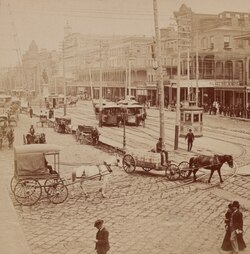
The momentum for the strike began early in 1892, following a victory by streetcar conductors who secured a shorter workday and a preferential closed shop—a workplace agreement where employers give preference to hiring union members. This success sparked a wave of unionization across the city, leading to the formation of approximately 30 new unions and the eventual affiliation of 49 unions with the American Federation of Labor (AFL).
The Rise of the Triple Alliance
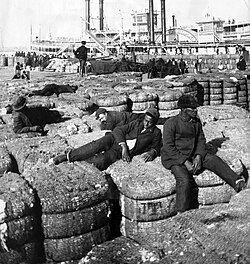
To coordinate their efforts, the city's unions established the Workingmen's Amalgamated Council, representing over 30,000 workers. Within this council, three racially integrated unions—the Teamsters, the Scalesmen, and the Packers—formed a powerful coalition known as the Triple Alliance. Because many members of these unions were African American, the Alliance became a critical symbol of racial cooperation.
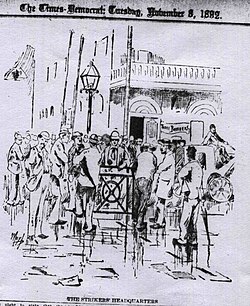
On October 24, 1892, between 2,000 and 3,000 members of the Triple Alliance walked off the job. Their primary goals were clear: the implementation of a 10-hour workday, guaranteed overtime pay, and the establishment of a preferential union shop.
Employer Resistance and Racial Tactics
The opposition was led by the New Orleans Board of Trade, which represented the city's financial and commercial elite. Supported by major railways and commodity exchanges for cotton, sugar, and rice, the Board of Trade sought to break the strike without negotiation. Their primary strategy was to exploit racial tensions to divide the workforce.
The Board of Trade offered to sign contracts with the white-dominated Scalesmen and Packers unions while explicitly refusing to negotiate with the black-dominated Teamsters. Simultaneously, local newspapers launched a campaign of hysteria, publishing lurid, unfounded accounts of "brutal Negro strikers" rampaging through the streets to incite public fear.
Despite these efforts, the strategy failed. The Scalesmen and Packers unions passed resolutions refusing to return to work until the Teamsters received the same contract terms, maintaining a front of solidarity that defied the racial norms of the era.
The General Strike and City Paralysis
As the conflict escalated, other unions joined the cause. On November 8, 1892, a general strike began, involving 46 unions and approximately 30,000 members—roughly half of the city's total workforce. The impact was immediate and total:
- Transportation: Streetcars ceased operation.
- Utilities: Natural gas and electrical grids failed, plunging the city into darkness.
- Commerce: The delivery of food and beverages stopped entirely.
- Public Services: Printing, street cleaning, manufacturing, and even fire-fighting services ground to a halt.
The Board of Trade attempted to bring in strikebreakers from Memphis and Galveston and convinced Governor Murphy J. Foster to deploy the state militia on November 10. However, the militia found a city that was calm and orderly, with no evidence of the violence the press had predicted. Governor Foster was forced to withdraw the troops on November 11.
Settlement and Legal Aftermath
Facing a crippled economy and declining bank clearings, the Board of Trade agreed to binding arbitration. After 48 hours of negotiations with both black and white union leaders, a settlement was reached. The workers won the 10-hour workday and guaranteed overtime pay, though the employers refused to recognize the Triple Alliance unions or grant a preferential union shop.
The victory was short-lived in the courts. On November 13, the Board of Trade pushed for federal action, leading to a lawsuit against 44 unions under the Sherman Antitrust Act, alleging a conspiracy to restrain trade. While 45 strike leaders were indicted and a temporary injunction was granted, the AFL appealed the case, and the federal government eventually withdrew the suit years later.
Key Facts
- Dates: November 8–12, 1892.
- Participants: Approximately 30,000 workers from 46 unions.
- The Triple Alliance: A racially integrated coalition of Teamsters, Scalesmen, and Packers.
- Major Wins: Implementation of a 10-hour workday and guaranteed overtime pay.
- Casualties: 80 workers were arrested during the conflict.
- Outcome: Demonstrated successful interracial labor solidarity in the Deep South.
| Category | Details |
|---|---|
| Primary Goals | 10-hour day, overtime pay, preferential union shop |
| Key Labor Body | Workingmen's Amalgamated Council (AFL affiliated) |
| Opposing Party | New Orleans Board of Trade |
| Key Result | 10-hour day and overtime pay achieved |
| Legal Action | Indictments under the Sherman Antitrust Act |
Frequently Asked Questions
What was the Triple Alliance?
The Triple Alliance was a coalition of three racially integrated unions—the Teamsters, the Scalesmen, and the Packers—who led the initial strike efforts in New Orleans in 1892.
How did the employers try to break the strike?
Employers used racial appeals, offering contracts to white unions while excluding black unions, and used the press to spread false stories of violence to incite public hatred against African American strikers.
Was the strike considered a success?
Assessments vary. At the time, it was seen as a success for winning shorter hours and demonstrating interracial solidarity. Some later critics called it a failure because the "union shop" demand was not met, but modern historians emphasize the significance of the racial unity achieved.
What role did the government play?
The state governor deployed the militia to break the strike, though they found the city peaceful and withdrew quickly. Later, the federal government filed suit against the unions using the Sherman Antitrust Act, though the case was eventually dropped.
How did the strike affect the city's infrastructure?
The strike effectively paralyzed New Orleans; streetcars stopped, the electrical grid and natural gas supplies failed, and essential services like fire-fighting and food delivery ceased.