New Forest Wildlife: A Haven of Rare Species and Diverse Habitats
The New Forest is a critical ecological sanctuary, preserving vast areas of lowland habitats that have largely vanished from other parts of Britain. This unique landscape is a mosaic of valley bogs (wetlands found in valley bottoms), alder carr (wet woodlands dominated by alder trees), wet and dry heaths, and deciduous woodlands. Together, these environments support a profusion of rare flora and fauna, making the region a cornerstone of British biodiversity.
Key Facts
- Rare Species: Home to the New Forest cicada, the only cicada native to Great Britain.
- Reptile Diversity: All three native British snake species inhabit the Forest.
- Iconic Livestock: Grazing by New Forest ponies, cattle, and donkeys maintains the open character of the landscape.
- Conservation Status: Designated as an SSSI, SAC, SPA, and Ramsar Site.
- Avian Variety: A stronghold for specialist heathland birds and various woodland species.
Flora and Rare Invertebrates
The wet heaths are particularly vital for rare plant life, including the marsh gentian (Gentiana pneumonanthe), marsh clubmoss (Lycopodiella inundata), and the wild gladiolus (Gladiolus illyricus). Various species of sundew also thrive in these damp conditions.
The region is equally significant for its insect populations. Rare British species such as the southern damselfly (Coenagrion mercuriale), large marsh grasshopper (Stethophyma grossum), and the mole cricket (Gryllotalpa gryllotalpa) are found here. Notably, the New Forest is a stronghold for a rich variety of fungi, which are now managed through specific control measures to prevent over-gathering.
Notable Insects and Arachnids
Among the notable insects are the ivy bee (Colletes hederae), the rare green forest hoverfly (Caliprobola speciosa), and the common bombarder beetle (Brachinus crepitans). The extremely rare Notochilus limbatus and the nationally scarce southern chestnut moth (Agrochola haematidea) also reside here.
The arachnid population is equally diverse, featuring the declining purseweb spider (Atypus affinis) and the extremely rare ladybird spider (Eresus sandaliatus), which was once thought extinct in the UK. Other residents include the wasp spider (Argiope bruennichi), the vulnerable great raft spider (Dolomedes plantarius), and various harvestmen, including the invasive Canestrini's harvestman from Italy.
Avian Life
The New Forest supports a wide array of birds tailored to its specific environments. Specialist heathland birds are widespread, including the Dartford warbler, woodlark, northern lapwing, Eurasian curlew, European nightjar, Eurasian hobby, European stonechat, common redstart, and tree pipit. While the common snipe and meadow pipit are typically winter visitors in Britain, they breed within the Forest's bogs and heaths.
Woodland habitats host the wood warbler, stock dove, European honey buzzard, and Eurasian goshawk. The common buzzard is ubiquitous, and the common raven is currently expanding its range. Rarer sightings include the red kite, wintering great grey shrike, hen harrier, and migrating species like the ring ouzel and northern wheatear.
Reptiles and Amphibians
The Forest is home to all three native British snakes. The adder is the most common, favoring open grassland and heath. The barred grass snake prefers the damp valley mires, while the rare smooth snake is found on sandy hillsides with gorse and heather. Historically, these snakes were hunted by figures like Brusher Mills, but all British snakes are now legally protected.
Amphibians such as the common frog and common toad are present, and the great crested newt breeds in numerous locations. Since 1989, a dedicated programme has worked to reintroduce the sand lizard (Lacerta agilis).
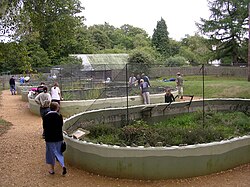
The New Forest Reptile Centre, established in 1969 by Derek Thomson MBE, provides a space where visitors can see sand lizards, adders, grass snakes, smooth snakes, frogs, and toads.
Mammals of the Forest
Grazing Animals
The open character of the Forest is maintained by the grazing of commoners' cattle, ponies, and donkeys. The New Forest pony is an indigenous breed and a primary attraction, though Shetland ponies and their crossbreeds are also present.
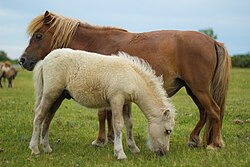
Cattle breeds include Galloways, Highlands, Herefords, Dexters, Kerries, and British whites. During autumn, pigs are used for pannage (the practice of releasing pigs into woods to eat fallen acorns and beech mast). While various breeds are used today, the Forest was the original home of the now-extirpated Wessex Saddleback.
Wild Mammals
Deer are numerous, with fallow deer being the most common, followed by roe and red deer. Smaller populations of introduced sika and muntjac deer also exist. Other mammals include the European polecat, which has recolonised the western edge, and the European otter. The American mink is also present. In 2021, the presence of Pine Martens was confirmed.
Regarding squirrels, the native red squirrel survived here until the 1970s but has been entirely supplanted by the introduced North American grey squirrel.
Conservation and Protection
To protect this fragile ecosystem, the New Forest holds several designations: Site of Special Scientific Interest (SSSI), EU Special Area of Conservation (SAC), Special Protection Area (SPA), and a Ramsar Site. It also operates under its own Biodiversity Action Plan (BAP).
One current threat is the Asian hornet (Vespa velutina), which poses a danger to native Western honey bees. A reporting scheme is in place, and every instance of Asian hornet detection has been immediately eradicated.
| Category | Key Species / Habitats | Status/Note |
|---|---|---|
| Habitats | Valley bogs, alder carr, wet/dry heaths | Critical lowland preservation |
| Rare Insects | New Forest cicada, Southern damselfly | Cicada last unconfirmed in 2000 |
| Snakes | Adder, Barred grass snake, Smooth snake | All legally protected |
| Mammals | New Forest pony, Fallow deer, Pine Marten | Ponies maintain open landscape |
| Conservation | SSSI, SAC, SPA, Ramsar Site | Managed via Biodiversity Action Plan |
Frequently Asked Questions
Which snakes can be found in the New Forest?
The Forest is home to all three native British snake species: the common adder, the barred grass snake, and the rare smooth snake.
What is the role of ponies and cattle in the Forest?
The grazing of commoners' cattle, ponies, and donkeys is essential for maintaining the open character of the heathland and woodland, preventing them from becoming overgrown.
Is the New Forest cicada still present?
While the New Forest cicada is the only cicada native to Great Britain, it is extremely rare; the last unconfirmed sighting was in 2000.
What is pannage?
Pannage is the traditional practice of releasing pigs into the woodlands during the autumn months to feed on fallen acorns and beech mast.
How is the New Forest protected?
The area is protected through multiple designations, including as a Site of Special Scientific Interest (SSSI), an EU Special Area of Conservation (SAC), a Special Protection Area (SPA), and a Ramsar Site, supported by a Biodiversity Action Plan.