Exploring Negros Oriental: The Pride of the Visayas
Nestled in the heart of the Philippines, Negros Oriental is a province defined by its diverse landscapes, rich history, and vibrant culture. Known as "Sidlakang Negros," this province offers everything from volcanic mountains and geothermal energy to pristine coastal resorts. Whether you are drawn to its academic reputation or its natural wonders, Negros Oriental stands as a vital part of the Negros Island Region.
The province is bordered by the Tañon Strait to the east, facing Cebu, and sits southeast of Siquijor. Its capital, Dumaguete, serves as the bustling center of government, commerce, and education, earning the province a reputation for being both progressive and deeply rooted in tradition.
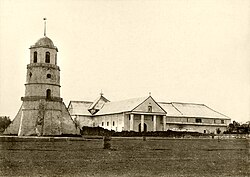
Key Facts
- Capital: Dumaguete
- Motto: Veritas Via Vitae ("The Truth is the Way of Life")
- Total Area: 5,385.53 km²
- Population: 1,492,038 (2024 census)
- Highest Point: Mount Kanlaon (2,465 m)
- Primary Language: Binisaya
Geography and Natural Wonders
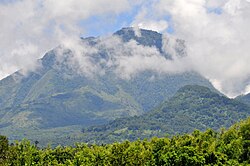
The topography of Negros Oriental is remarkably varied. The province features high-altitude volcanic peaks, such as Mount Kanlaon, which reaches an elevation of 2,465 meters. Another significant landmark is Mount Talinis, located southwest of Valencia, which stands as the second highest volcanic mountain in Negros.
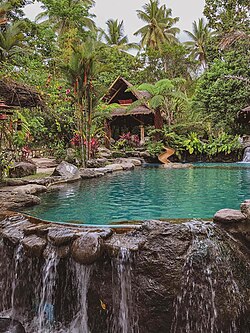
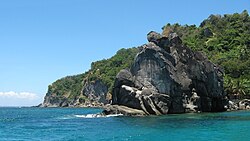
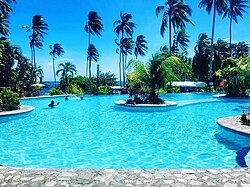
Beyond the mountains, the province is celebrated for its coastal beauty. Apo Island is renowned for its unique rock formations and marine life, while the municipality of Dauin has established itself as the province's resort capital, driving much of the local tourism industry.
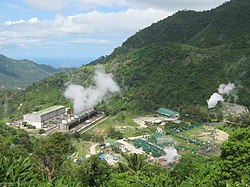
The energy landscape is also notable, with geothermal power stations located in areas like Valencia providing renewable energy to the region.
Administrative Divisions and Governance
Negros Oriental is organized into six component cities and 19 municipalities, which are further subdivided into 557 barangays (the smallest administrative units in the Philippines). The provincial government is led by Governor Manuel "Chaco" L. Sagarbarria and Vice Governor Cezanne Fritz H. Diaz.
Component Cities
- Bais
- Bayawan
- Canlaon
- Dumaguete (Capital)
- Guihulngan
- Tanjay
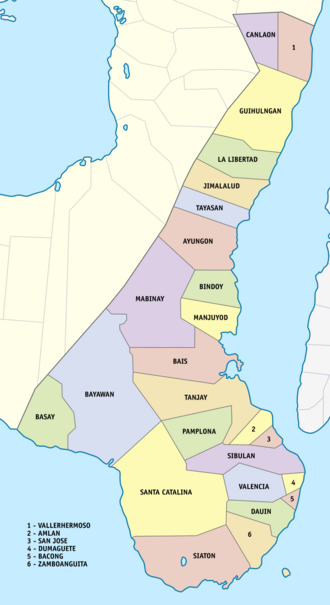
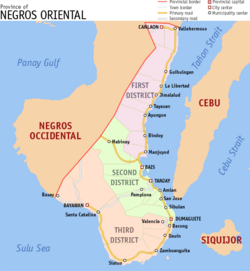
The province is also divided into various legislative districts to ensure effective representation in the government.
Culture, Education, and Economy
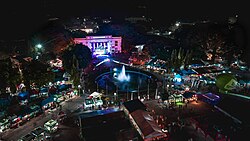
The culture of Negros Oriental is a tapestry of religious devotion and festive celebrations. Many municipalities host annual festivals centered around patron saints, such as the Buglasan Festival held at the Ninoy Aquino Memorial Freedom Park in Dumaguete. Religious life is predominantly Roman Catholic, with various feast days celebrated throughout the year.
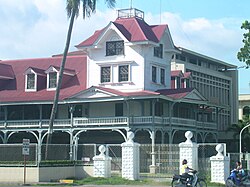
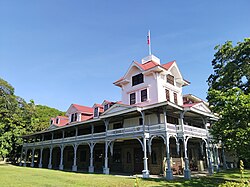
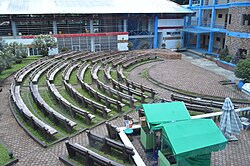
Education is a cornerstone of the provincial identity. Dumaguete is widely recognized as a university town, home to prestigious institutions like Silliman University and Negros Oriental State University. These institutions attract students from across the region, contributing to the province's intellectual and economic vitality.
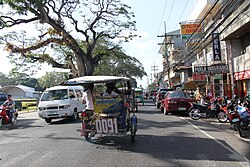
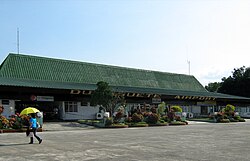
Economically, the province relies on a mix of tourism, agriculture, and services. Transportation plays a key role in daily life, with motorized tricycles being a common sight in Dumaguete, and airports like the Sibulan Airport facilitating travel to and from the province.
Summary of Provincial Data
| Category | Details |
|---|---|
| Region | Negros Island Region |
| Founded | January 1, 1890 |
| Total Area | 5,385.53 km² |
| Population (2024) | 1,492,038 |
| Income Class | 1st Class |
| Languages | Binisaya, Hiligaynon, Tagalog, Magahat, English |
Frequently Asked Questions
What is the capital of Negros Oriental?
The capital and largest city of Negros Oriental is Dumaguete.
What are the main languages spoken in the province?
The primary spoken language is Binisaya. Other languages spoken include Hiligaynon, Tagalog, Magahat, and English.
How is the province classified in terms of income?
Negros Oriental is classified as a 1st class province.
What is the highest point in Negros Oriental?
The highest elevation is found at Mount Kanlaon, which reaches 2,465 meters (8,087 ft).
Which region does Negros Oriental belong to?
As of June 13, 2024, Negros Oriental is part of the Negros Island Region.
What is the main industry in the province?
Tourism is one of the major industries, particularly in areas like Dauin and Apo Island.