NBA All-Star Game: A Classic Clash of Conference Giants
The NBA All-Star Game serves as a premier showcase of the league's elite talent, bringing together the best players from the Eastern and Western Conferences. In this particular encounter, the game featured a rich blend of established legends and emerging stars, including twelve former players from the ABA (American Basketball Association), highlighting the integration of the two leagues.
Key Facts
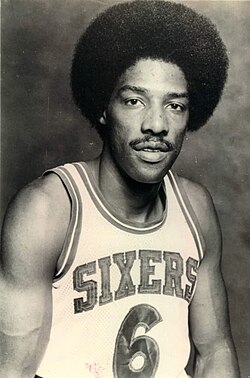
- Top Scorers: Julius Erving and Bob McAdoo led the East with 30 points each; Kareem Abdul-Jabbar led the West with 21 points.
- Winning Margin: The Western Conference secured a narrow one-point victory.
- Hall of Fame Presence: The game featured 17 future Hall of Famers (10 for the East, 7 for the West).
- Coaching Debut: This marked the first All-Star coaching appearance for Larry Brown.
Leadership on the Sidelines
The Eastern Conference was led by Gene Shue, the head coach of the league-leading Philadelphia 76ers. This appearance marked Shue's second time coaching in an All-Star game. Across the court, the Western Conference was guided by future Hall of Famer Larry Brown of the Denver Nuggets.
Brown earned his coaching spot by leading the West entering February. Although the Los Angeles Lakers eventually overtook Denver for the top seed as the game approached, the selection process had already been finalized, making this Brown's first All-Star coaching experience.
Star-Studded Rosters
The game's starting lineups were determined by fan votes, while the coaches selected seven reserves for each side. The talent pool was immense, featuring a high concentration of future Hall of Famers. The Eastern Conference boasted ten such legends, including George McGinnis, Pete Maravich, and John Havlicek. The Western Conference countered with seven, including Rick Barry and Bob Lanier.
Julius Erving of the Philadelphia 76ers stood out as a dominant force, marking the first of eleven consecutive All-Star appearances. His performance helped set the tone for the Eastern squad.
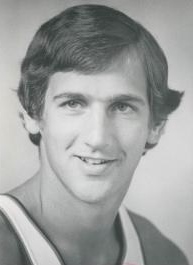
On the Western side, Kareem Abdul-Jabbar proved his enduring brilliance. Despite being selected as a reserve, Abdul-Jabbar led the West in scoring with 21 points in his eighth All-Star appearance. Paul Westphal also delivered a strong performance with 20 points, beginning a streak of five consecutive All-Star selections.
Injury Replacements and Future Rivalries
Not all selected stars could participate. The West lost Bill Walton of the Portland Trail Blazers, who was replaced by Don Buse of the Indiana Pacers. The East lost Dave Cowens of the Boston Celtics, replaced by Phil Chenier of the Washington Bullets. Interestingly, Bill Walton would later lead the Blazers to a 1977 NBA Finals victory over the 76ers, who were led by All-Stars Julius Erving, George McGinnis, and Doug Collins.
Game Summary and Final Results
The game began with the East taking a commanding lead, fueled by Julius Erving, ending the first quarter up 34–23. By halftime, the West had managed to close the gap slightly, trailing 68–58.
The momentum shifted dramatically in the third quarter. The Western Conference offense exploded for 39 points while stifling the East, limiting them to just 21 points. This surge put the West ahead 97–89 entering the final period.
The East attempted a late comeback led by Bob McAdoo, who scored 14 points in the fourth quarter to bring the game within a single point. However, the West sealed the victory in the closing seconds when Paul Westphal stole the ball from Pete Maravich and passed it to Rick Barry, who ran out the clock to secure the one-point win.
| Player | Conference | Points | Notable Stat/Fact |
|---|---|---|---|
| Julius Erving | East | 30 | 1st of 11 consecutive selections |
| Bob McAdoo | East | 30 | 4th All-Star appearance |
| Kareem Abdul-Jabbar | West | 21 | 8th All-Star appearance |
| Paul Westphal | West | 20 | 1st of 5 consecutive selections |
Frequently Asked Questions
Who were the leading scorers for the Eastern Conference?
Julius Erving and Bob McAdoo were the top scorers for the East, with both players recording 30 points each.
How did the Western Conference win the game?
The West won by one point after Paul Westphal stole the ball from Pete Maravich in the final seconds and passed it to Rick Barry to run out the clock.
Which coaches led the teams?
Gene Shue coached the Eastern Conference, and Larry Brown coached the Western Conference.
How many former ABA players participated in the game?
Twelve former ABA players participated in the All-Star game, including Julius Erving.
Who replaced Bill Walton and Dave Cowens due to injury?
Don Buse of the Indiana Pacers replaced Bill Walton for the West, and Phil Chenier of the Washington Bullets replaced Dave Cowens for the East.