Understanding South Korea's National Treasures: A Guide to Cultural Heritage
South Korea possesses a profound and diverse cultural legacy, preserved through centuries of history. Central to this preservation is the designation of National Treasures (known in Korean as Gukbo). These are items or sites deemed to have exceptional historical, artistic, or academic value, serving as the bedrock of the nation's identity.
From ancient Buddhist sculptures and intricate stone pagodas to delicate white porcelain and historic manuscripts, the collection of National Treasures offers a window into the spiritual and social evolution of the Korean peninsula. This guide explores the classification, locations, and notable examples of these protected treasures.
Key Facts
- Designation Authority: Managed under the heritage classification systems of the Korea Heritage Service.
- Primary Locations: Major concentrations are found in Seoul (notably Yongsan, Jongno, and Seongbuk districts) and Gyeongju (North Gyeongsang province).
- Historical Evolution: Many items were originally designated in 1962, with many undergoing name changes or reclassifications in 2010.
- Diversity of Artifacts: The collection includes religious icons, ceramics, maps, military equipment, and literary works.
The Diversity of Korean National Treasures
The National Treasure list is not limited to a single medium. Instead, it encompasses a wide array of disciplines that reflect the multifaceted nature of Korean civilization.
Religious and Spiritual Artifacts
A significant portion of the heritage consists of Buddhist art. This includes Gilt-bronze (a mixture of gold and bronze) statues, such as the Gilt-bronze Standing Bodhisattva and the Gilt-bronze Standing Buddha with Inscription of "the Seventh Yeonga Year". Additionally, stone pagodas—architectural structures used to house relics—are prominent, such as the Thirteen-story Stone Pagoda at Jeonghyesa Temple Site in Gyeongju.
Literary and Scholarly Works
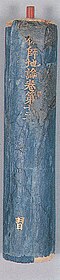
The intellectual history of Korea is preserved through precious manuscripts and books. Notable examples include:
- Samguk yusa (Memorabilia of the Three Kingdoms): A vital historical record.
- Dongguk jeongun (Standard Rhymes of the Eastern State): A significant linguistic work.
- Sipchil sachan gogeum tongyo (Essentials of Seventeen Dynastic Histories).
- Avatamsaka Sutra (The Flower Garland Sutra): Various versions including Jin and Zhou editions.
Ceramics and Fine Arts
Korean aesthetics are famously captured in its ceramics. The White Porcelain Moon Jar is a celebrated example of the minimalist beauty found in Korean pottery. Other notable items include celadon jars and various hanging paintings (taenghwa) used in temple settings, such as the Hanging Painting of Gapsa Temple Buddha Triad.
Geographic Distribution of Heritage
While National Treasures are spread across the country, certain regions serve as major hubs for these cultural assets. Seoul acts as a central repository, with many treasures housed in districts like Yongsan and Jongno. Gyeongju, the ancient capital, remains a critical site for stone pagodas and archaeological finds. Other notable areas include Busan, Gwangju, and Hapcheon County.
| Treasure Name | Location | Type/Category |
|---|---|---|
| White Porcelain Moon Jar | Yongsan District, Seoul | Ceramics |
| Thirteen-story Stone Pagoda (Jeonghyesa) | Gyeongju, North Gyeongsang | Stone Pagoda |
| Samguk yusa (Memorabilia of the Three Kingdoms) | Jongno District, Seoul | Historical Manuscript |
| Gilt-bronze Standing Bodhisattva | Yongsan District, Seoul | Buddhist Sculpture |
| Joseon bangyeok jido (Map of Korean Territory) | N/A | Cartography/Map |
| Celadon Jar (Sunhwa 4th Year) | Seodaemun District, Seoul | Ceramics |
Frequently Asked Questions
What is the difference between a National Treasure and other heritage classifications?
National Treasures (Gukbo) represent the highest tier of cultural importance. While other classifications exist to protect various historical sites and artifacts, National Treasures are specifically reserved for items of exceptional value to the nation.
Why do many National Treasures have "renamed" dates in records?
Many items were originally designated under the heritage laws of 1962. In 2010, many of these items underwent official renaming or reclassification to provide more accurate or standardized descriptions.
Where can I see these treasures in person?
Many are housed in major national museums, particularly in Seoul (such as the National Museum of Korea in Yongsan) and in specialized sites in Gyeongju. However, some are located at original temple sites or historic landmarks.
Are National Treasures only found in South Korea?
The term "National Treasure" is used in different contexts; for example, North Korea also maintains its own system of national treasures to protect its specific cultural heritage.
What kind of items are included in the National Treasure list?
The list is incredibly diverse, ranging from religious statues and stone pagodas to ancient maps, books, ceramics, and even military items like the Gwihambyeolhwangja Rifle Barrel.