Namibia: A Comprehensive Overview of the Land of the Brave
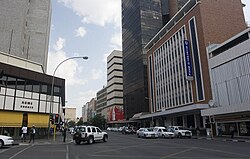
Namibia, officially the Republic of Namibia, is a nation defined by its starkly beautiful landscapes and a resilient spirit. Known for its vast deserts and diverse cultural heritage, the country operates as a unitary semi-presidential republic with a motto of "Unity, Liberty, Justice." From the bustling streets of its capital, Windhoek, to the silent expanse of the Namib desert, Namibia offers a unique blend of natural wonder and political stability.
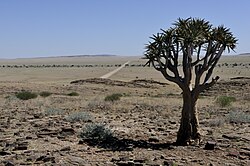
The nation's identity is deeply tied to its geography, being primarily composed of a large desert and a semi-desert plateau. This environment has shaped not only the wildlife and climate but also the distribution and lifestyle of its people.
Key Facts
- Capital: Windhoek (largest city).
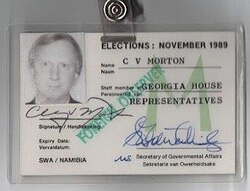
- Independence: Gained from South Africa on March 21, 1990.
- Official Language: English.
- Population: 3,022,401 (2025 census).
- Currency: Namibian dollar (NAD) and South African rand (ZAR).
- Geography: Total area of 825,615 km², characterized by negligible water surface area.
- Economy: GDP (PPP) estimated at $37.73 billion for 2025.
Geography and Climate
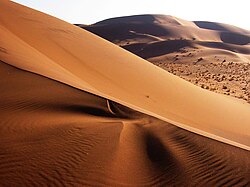
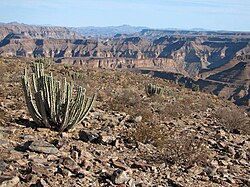
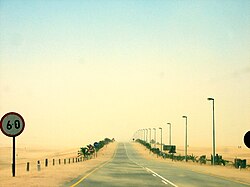
Namibia is home to some of the most extreme and breathtaking landscapes on Earth. The Namib desert, famous for its towering sand dunes, dominates much of the coastal region, while the interior features a semi-desert plateau. One of the most striking geological features is the Fish River Canyon, one of the largest canyons in the world.
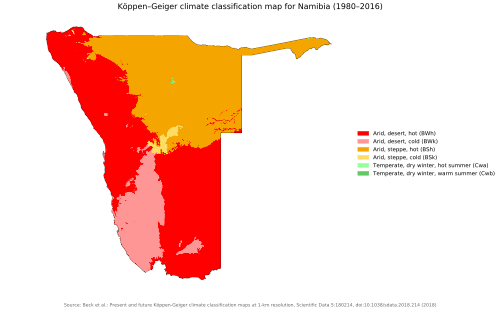
The climate varies significantly across the country, as illustrated by the Köppen climate types, which categorize the regions based on temperature and precipitation patterns. Water sources are limited, making water supply and sanitation critical infrastructure priorities for the government.
Wildlife and Nature
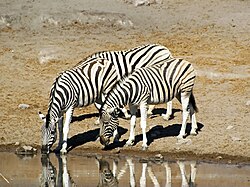
Namibia is renowned for its biodiversity and the implementation of communal wildlife conservancies. These areas protect a variety of species, including the plains zebra, which serves as a major draw for the tourism industry.
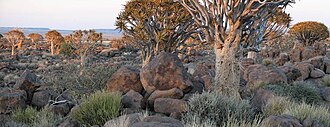
The flora is equally diverse, featuring unique ecosystems such as the Quivertree Forest in the Bushveld.
Demographics and Culture
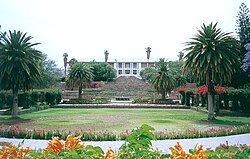
The population of Namibia is a mosaic of ethnic groups and languages. As of 2023, the ethnic composition is approximately 93.2% Indigenous African, 3.6% Coloured and Basters, 1.8% White, and 1.4% Asian or other groups.
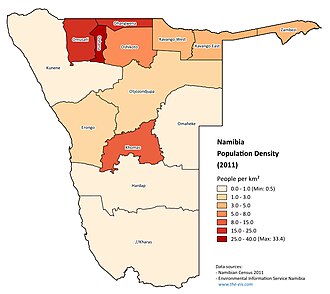
Languages and Religion
While English is the official language, Namibia recognizes several national languages. Oshiwambo is the most widely spoken (49.7%), followed by Khoekhoegowab (11.0%) and Kavango languages (10.4%). Other recognized languages include Afrikaans, Herero, Lozi, Setswana, and German.
Religion plays a central role in Namibian society, with 87.9% of the population identifying as Christian. Lutheranism is the most prominent denomination at 43.7%, followed by Catholicism (22.8%) and Anglicanism (17.0%).
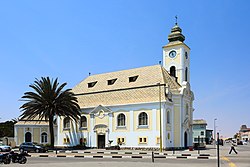
Ethnic Diversity
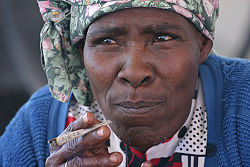
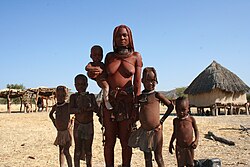
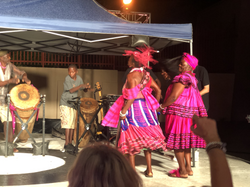
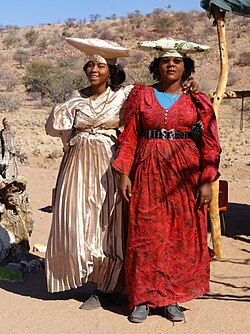
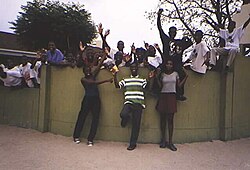
The cultural landscape is enriched by various groups, including the Himba people of the north, the Herero women known for their distinct dress, and the Nama people.
Government and Economy
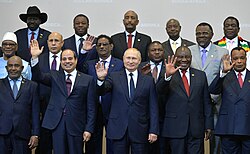
Namibia is governed as a unitary semi-presidential republic. The current leadership includes President Netumbo Nandi-Ndaitwah, Vice President Lucia Witbooi, and Prime Minister Elijah Ngurare. The legislature is bicameral, consisting of the National Assembly (lower house) and the National Council (upper house).
Economic Drivers
The economy is supported by three primary pillars: agriculture, mining, and tourism. Mining is particularly significant, with the extraction of uranium and other minerals contributing to the national GDP. Tourism leverages the country's unique landscapes and wildlife to attract international visitors.
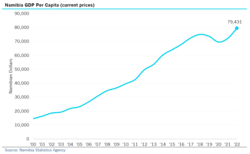
Despite its growth, the country faces challenges with high income inequality, reflected in a Gini coefficient of 59.1 (2015). The Human Development Index (HDI) for 2023 stands at 0.665, placing it in the medium development category.
Regional Statistics
Namibia is divided into several administrative regions, each with varying population densities and household sizes. The Khomas region, where Windhoek is located, is the most populous.
| Region | Population (2023) | People per km² | Avg Household Size |
|---|---|---|---|
| Khomas | 494,605 | 13.4 | 3.3 |
| Ohangwena | 337,729 | 31.5 | 4.8 |
| Omusati | 316,671 | 11.9 | 4.2 |
| Oshikoto | 257,302 | 6.7 | 4.1 |
| Erongo | 240,206 | 3.8 | 3.1 |
| Oshana | 230,801 | 26.7 | 3.7 |
| Otjozondjupa | 220,811 | 2.1 | 3.6 |
| Kavango East | 218,421 | 9.1 | 5.3 |
| Zambezi | 142,373 | 9.7 | 3.7 |
| Kavango West | 123,266 | 5.0 | 5.5 |
| Kunene | 120,762 | 1.0 | 3.8 |
| Hardap | 106,680 | 1.0 | 3.6 |
| ǁKaras | 109,893 | 0.7 | 3.1 |
| Omaheke | 102,881 | 1.2 | 3.3 |
Frequently Asked Questions
![Estimated percentage of HIV among young adults (15–49) per country as of 2011:[217] 15–50](/images/72/b8/72b8373647453933acb11d24babef879f8aad5f7f345043962e4afd744e15719.webp)
When did Namibia gain its independence?
Namibia officially gained its independence from South Africa on March 21, 1990, following the adoption of its constitution on February 9, 1990.
What is the official language of Namibia?
The official language of Namibia is English, although several national languages such as Oshiwambo, Khoekhoegowab, and Afrikaans are widely spoken.
What are the main drivers of the Namibian economy?
The economy is primarily driven by mining (including uranium), agriculture, and tourism, which focuses on the country's unique wildlife and landscapes.
Which is the largest city in Namibia?
Windhoek is both the capital and the largest city of Namibia, serving as the administrative and economic hub of the country.
What is the dominant religion in Namibia?
Christianity is the dominant religion, practiced by 87.9% of the population, with Lutheranism being the largest denomination.