Myeongdong: Seoul's Vibrant Heart of Shopping and History
Located in the Jung District of Seoul, Myeongdong (meaning "bright neighborhood") is a district that pulses with energy. As one of South Korea's premier destinations for tourism, fashion, and commerce, it serves as a fascinating intersection where historical landmarks meet cutting-edge retail. Whether you are navigating its pedestrian-friendly streets or admiring its architectural heritage, Myeongdong offers a unique glimpse into the evolution of Seoul.
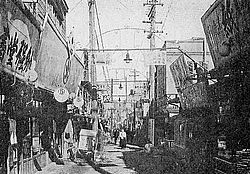
Key Facts
- Status: Designated Special Tourism Promotion Area.
- Global Standing: Ranked as the ninth most expensive shopping street in the world in 2023.
- Daily Footfall: Estimated floating population of approximately 2 million people per day.
- Primary Attractions: Myeongdong Cathedral and Myeongdong Theater.
- Accessibility: Served by Seoul Subway Line 2 (Euljiro 1-ga) and Line 4 (Myeongdong).
A Journey Through Time
The history of Myeongdong is as layered as its modern streets. During the Joseon period, the area was known by names such as Myŏngnyebang or Chonghyŏn and was considered part of the southern section of the capital, Hanseong. Following the onset of the Japanese colonial period in 1914, the district was renamed Meiji-cho. It was not until 1946, after Korea gained independence, that the area officially adopted the name Myeongdong.
The district's economic trajectory shifted significantly following the Korean War. During the 1960s, as the financial sectors of Namdaemun-ro and Euljiro expanded, Myeongdong began to flourish. The construction of high-rise buildings and the establishment of department stores and upscale boutiques made it a magnet for the trendy youth of the 1970s. Beyond commerce, Myeongdong has also been a significant site for political expression, with the Myeongdong Cathedral serving as a frequent location for demonstrations during the 1980s and 1990s.
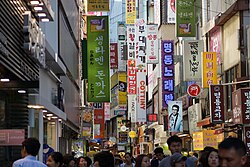
The Economic and Financial Engine
While many recognize Myeongdong for its retail allure, it is also a critical component of Seoul's financial landscape. Alongside Yeouido, Myeongdong forms a major financial hub. The area hosts the headquarters of several prominent international and domestic institutions, including Citibank, SK Corporation, Kookmin Bank, Hana Bank, and HSBC, among others. The Bank of Korea is also located in the immediate vicinity.
Shopping and Retail Excellence
Myeongdong is a global destination for luxury shopping and beauty. The district is famous for its concentration of international brand outlets and a vast array of Korean cosmetics brands. This makes it a primary destination for tourists seeking the latest in global fashion and K-beauty. The area's popularity is reflected in consumer data; a 2011 survey by the Seoul Metropolitan Government found that 13.4% of foreign visitors cited shopping in Myeongdong as their favorite activity in the city.
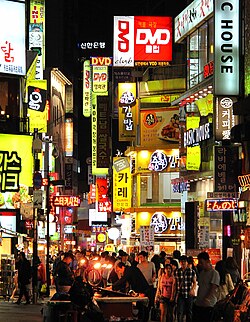
To enhance the visitor experience, much of the main street and its surrounding alleys are designated as pedestrian zones. Except during specific early morning or late-night delivery windows, the streets are blocked to vehicle traffic, allowing visitors to roam freely.
Cultural Landmarks and Festivals
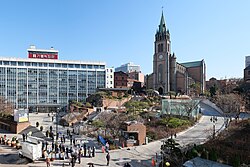
Myeongdong is home to several sites of immense cultural and religious importance. The Myeongdong Cathedral, built in 1898, stands as the oldest Catholic cathedral in Korea and remains a prominent landmark. Other notable sites include the Myeongdong Theater, the YWCA headquarters, and the UNESCO Hall.
To celebrate the district's vibrancy, the Myeongdong Festival has been held biannually since 1982. Typically occurring in the spring (late March to mid-April) and autumn (September), the festival features parades, music, dance performances, and fashion shows, often accompanied by significant retail discounts across local shops.
District Overview Summary
| Category | Details |
|---|---|
| Total Area | 0.99 km² (0.38 sq mi) |
| Population (2013) | 3,320 |
| Population Density | 3,400/km² |
| Primary Transit | Subway Line 2 & Line 4 |
Frequently Asked Questions
What is the best way to get to Myeongdong?
The most convenient way to reach Myeongdong is via the Seoul Subway. You can use Euljiro 1-ga Station on Line 2 for the northern part of the district, or Myeongdong Station on Line 4 for the southern area.
Is Myeongdong safe for pedestrians?
Yes, Myeongdong is highly pedestrian-friendly. Most main streets and alleys are closed to car traffic during the day to allow visitors to walk freely, making it a safe environment for sightseeing and shopping.
When does the Myeongdong Festival take place?
The festival is held twice a year to boost tourism and local commerce: once in the spring between late March and mid-April, and again during the month of September.
What can I buy in Myeongdong?
Myeongdong is a premier destination for mid-to-high priced international brands, luxury fashion, and a wide variety of Korean cosmetics and beauty products.
Are there any historical sites to visit in the area?
Yes, the most significant historical site is the Myeongdong Cathedral, built in 1898. The Myeongdong Theater is another important cultural landmark in the district.