Musical Arrangement: The Art of Adapting Compositions
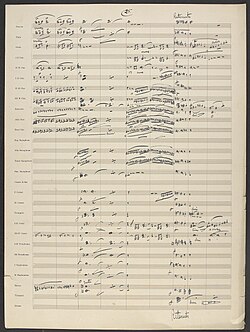
In the world of music, an arrangement is the process of adapting an existing composition to create a new version. While the core identity of the piece remains, an arranger may employ reharmonization, melodic paraphrasing, orchestration, or formal development to breathe new life into the work. This art form provides musical variety, allowing a single melody to be experienced in vastly different emotional and sonic contexts.
It is important to distinguish arranging from orchestration. While orchestration is specifically the assignment of notes to instruments for an ensemble, arranging is a broader compositional process. It often involves adding new thematic material for introductions, transitions, modulations, and endings.
Key Facts
- Arranging vs. Orchestration: Arranging involves compositional changes; orchestration focuses on instrument assignment.
- Head Arrangements: In jazz, these are unwritten, memorized arrangements created by the performers.
- Classical Tradition: Composers like J.S. Bach frequently arranged their own works to suit different ensembles.
- String Section: Traditionally consists of first violins, second violins, violas, cellos, and double basses.
- Charts: The informal term for big-band jazz arrangements.
Arrangements in Classical Music
The practice of transcription and arrangement is deeply rooted in classical history, dating back to the earliest eras of the genre.
The Baroque Era and J.S. Bach
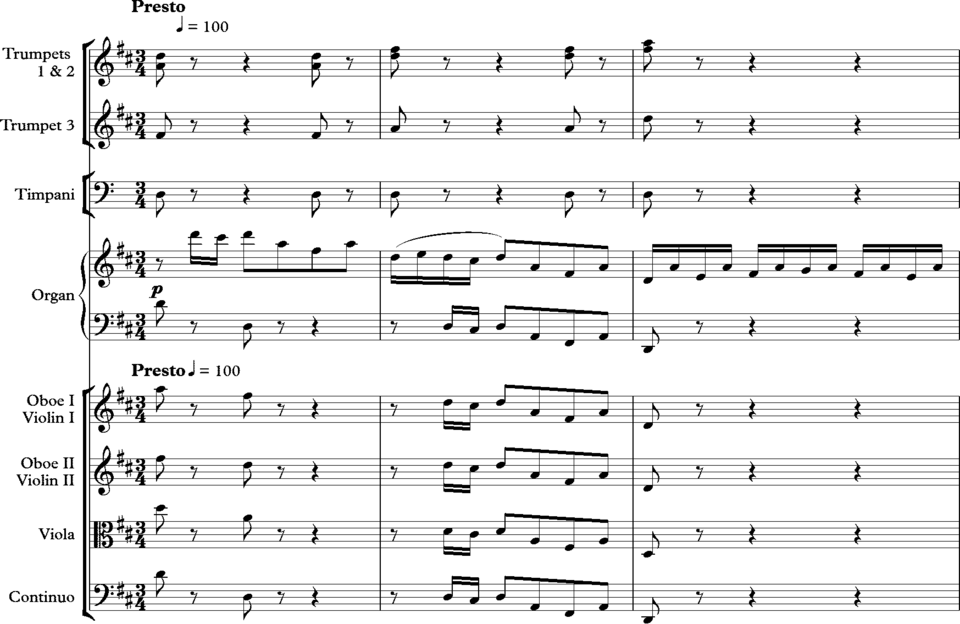
Johann Sebastian Bach was a prolific arranger of both his own and others' works. A notable example is his transformation of the Prelude from Partita No. 3 for solo violin (BWV 1006) into an orchestral Sinfonia for Cantata BWV 29.
To better accommodate wind instruments, Bach transposed the original E major violin piece down to D. The result was so seamless that the orchestral version often masks the solo origins of the material.

Piano and Orchestral Adaptations
Piano music is frequently arranged for larger ensembles. Ludwig van Beethoven, for instance, arranged his Piano Sonata No. 9 for a string quartet and his Grosse Fuge for a piano duet. In the early 20th century, George Gershwin relied on Ferde Grofé to orchestrate Rhapsody in Blue.
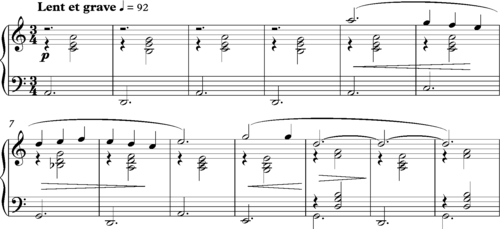
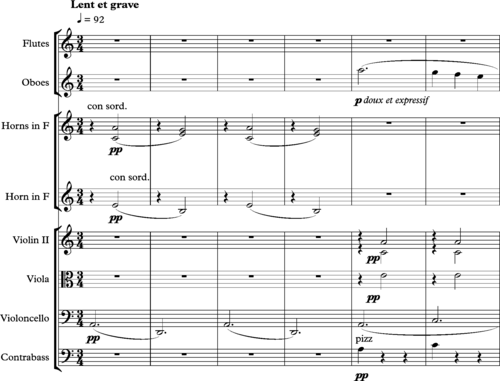
Erik Satie's Gymnopédies, written for solo piano in 1888, gained significant fame after Claude Debussy arranged two of them for orchestra in 1896, utilizing the diverse timbres of the late 19th-century orchestra.
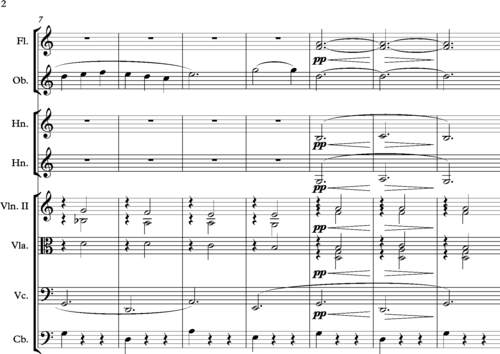
Another landmark of arranging is Maurice Ravel's orchestration of Modest Mussorgsky's Pictures at an Exhibition. Ravel's version of the movement "Gnomus" showcases his ability to create unique orchestral sonorities, such as replacing woodwinds with a celesta accompanied by string glissandos.
Arranging Vocal Works (Lieder)
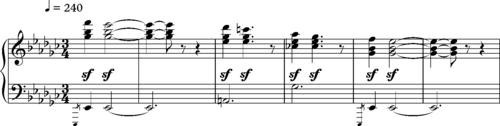
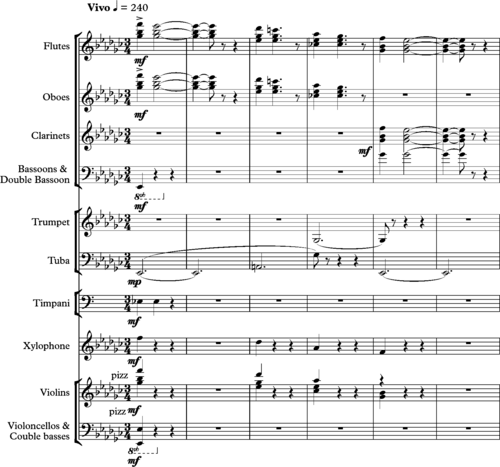
Franz Schubert's songs, originally for voice and piano, have been widely adapted. His intense piece Erlkönig (The Erl King) was arranged by both Hector Berlioz and Franz Liszt.
- Berlioz's approach: Used strings to maintain the original urgency, adding woodwinds, horns, and timpani for color, and introducing a half-diminished seventh chord not found in the original.
- Liszt's approach: Maintained the original harmony but created a thicker string sound with violins and violas in unison, using trumpets and horns to emphasize the rhythm.

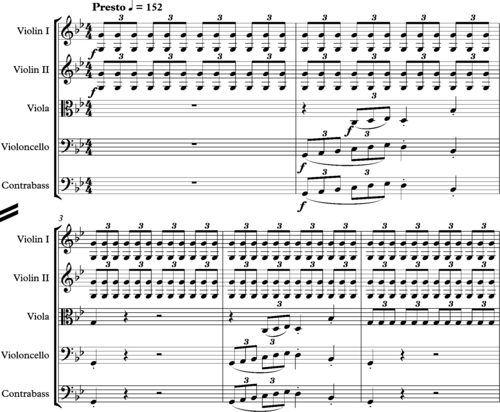
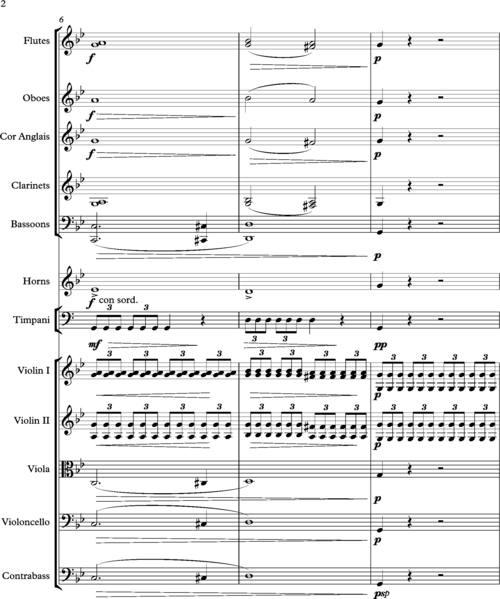
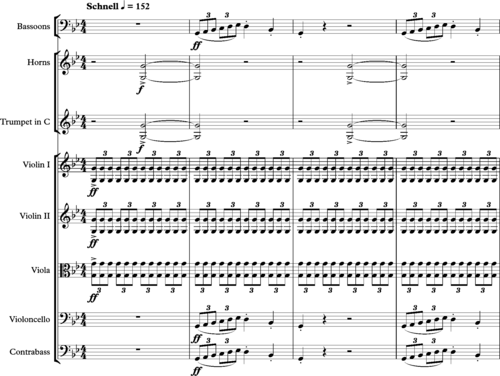
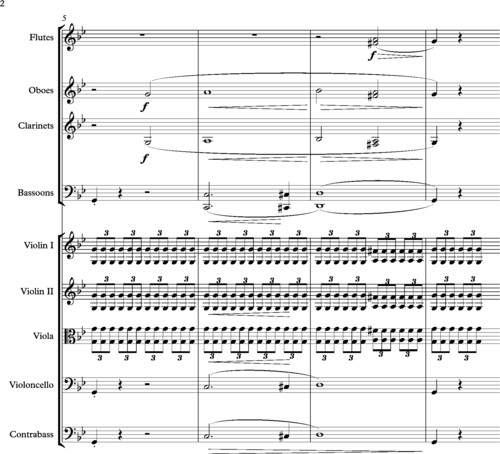
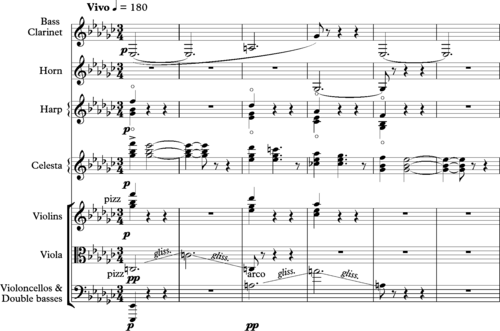
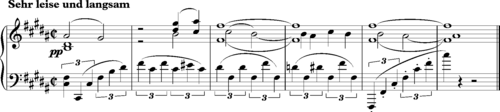
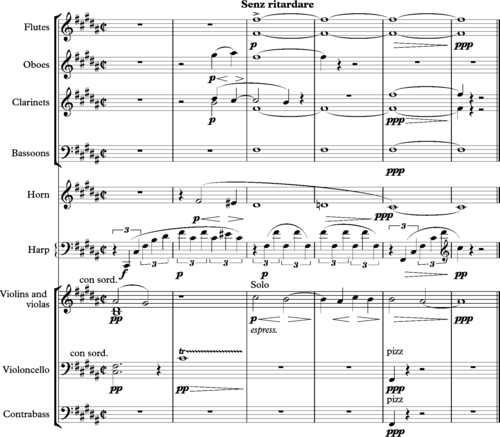
Similarly, Gustav Mahler arranged his own Lieder eines fahrenden Gesellen. In the song "Gieng heut' Morgen uber's feld", Mahler replaced piano arpeggios with a harp and extracted a hidden chromatic line from the piano's left hand to be played by the horn.
Arrangements in Popular and Jazz Music
In popular music, arrangers often add brass sections or bowed strings to recordings to enhance the production. Modern pop arrangements may also involve changing the tempo, meter, or key of an existing song.
The Evolution of Jazz Arranging
Jazz arrangements vary by ensemble size. Small combos often use informal arrangements, while big bands require detailed notation, known as charts. Early big bands, such as Count Basie's, were famous for head arrangements—pieces worked out by ear and memorized by the players.
Key innovators in jazz arranging include:
- Don Redman: Introduced intricate melodic presentations and section soli in the 1920s.
- Benny Carter: A primary arranger for Fletcher Henderson in the 1930s.
- Billy Strayhorn: Renowned for his work with the Duke Ellington orchestra.
- Jelly Roll Morton: Considered one of the earliest jazz arrangers for writing parts for "pickup bands" (1912–1915).
Arranging for Instrumental Groups
The String Section
The standard European orchestral string section is a homogeneous group consisting of first violins, second violins, violas, cellos, and double basses. While the harp is a stringed instrument, it is classified as a plucked string instrument (alongside the guitar and banjo) and is considered part of the rhythm section rather than the "string choir."
Arrangers may treat the string section as a single unit or divide it into smaller groups. A chamber ensemble consists of players where each has a unique part; for example, a string quartet consists of four players.
Logistics and Section Size
The size of a string section is often dictated by budget, venue size, or artistic choice. For example, Leonard Bernstein omitted violas from West Side Story to create more room in the orchestra pit for percussion. Producer George Martin noted that for a smooth sound, at least three players per line are ideal to avoid the "beat" created by only two instruments playing in unison.
The following table illustrates common string section distributions based on different arranging philosophies.
| Reference/Author | Total Players | Violins | Violas | Celli | Basses |
|---|---|---|---|---|---|
| Nelson Riddle | 12 | 8 | 2 | 0 | 2 |
| Nelson Riddle | 20 | 12 | 4 | 0 | 4 |
| Don Sebesky | 9 | 7 | 0 | 2 | 0 |
| Don Sebesky | 16 | 12 | 0 | 4 | 0 |
Frequently Asked Questions
What is the difference between arranging and orchestration?
Orchestration is the specific act of assigning musical notes to different instruments. Arranging is a broader process that includes orchestration but also involves compositional changes like adding new introductions, changing harmonies, or altering the structure of the piece.
What is a "head arrangement" in jazz?
A head arrangement is an unwritten musical adaptation that is worked out by the musicians themselves and memorized (kept in the "head") rather than being recorded in a written score.
Why do some arrangers transpose a piece of music?
Transposition (changing the key) is often done to better accommodate the range and technical capabilities of the instruments being used. For example, J.S. Bach transposed a violin piece from E major to D major to better suit wind instruments.
What constitutes a standard string section in an orchestra?
A traditional string section consists of first violins, second violins, violas, cellos, and double basses. These instruments are homogeneous in nature and are often referred to as the "string choir."
How does the number of players affect the sound of a string section?
The balance of instruments creates different effects. George Martin suggested that having at least three players per line prevents a slight "beat" or interference that occurs when only two instruments play in unison, resulting in a smoother sound.