Mouth Anatomy and Function: From Simple Organisms to Complex Vertebrates
The mouth, scientifically referred to as the oral cavity, is a fundamental biological orifice. In a vast array of animal species, it serves as the primary gateway for ingesting food and a vital tool for vocalization. Beyond simple ingestion, the mouth is the beginning of the alimentary canal—the continuous tube that carries food through the body—leading directly to the pharynx and the gullet.
In more complex tetrapod vertebrates, the mouth is structurally defined by the lips and cheeks, leading to the term buccal cavity (derived from the Latin bucca, meaning cheek). This cavity houses essential structures like the tongue and, in many species, specialized teeth for processing nutrients.
Key Facts
- The mouth is the first part of the alimentary canal.
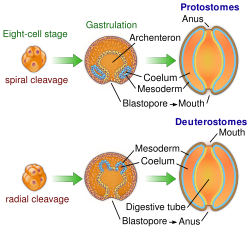
- In deuterostomes, the embryonic blastopore becomes the anus, while the mouth forms later.
- In protostomes, the blastopore develops into both the mouth and the anus through the closing of its edges.
- Birds lack teeth, utilizing keratinized beaks instead.
- The mouth is used for more than eating; it is essential for thermoregulation and communication.
Evolutionary Development of the Gut
The evolution of the mouth marks a significant transition in biological complexity. The earliest multicellular organisms likely lacked a dedicated mouth or gut. Instead, they relied on endocytosis—a process where cells engulf food particles from the exterior surface, enclosing them in vacuoles for intracellular digestion. This method is still utilized today by simple organisms like Amoeba and Paramecium, as well as sponges.
As animals became more complex, the gut evolved into a continuous lining of epithelial cells. In some primitive invertebrates, the mouth and anus are the same opening, creating a one-way system where indigestible waste is ejected back through the mouth. However, in more advanced animals like earthworms, a distinct separation between the mouth and anus allows for more efficient nutrient absorption.
The Blastopore and Bilaterian Classification
A key distinction in animal classification involves the blastopore, the initial indentation formed during embryonic development. This process determines whether an animal is a protostome or a deuterostome:
- Deuterostomes: The blastopore becomes the anus, and the mouth forms as a second opening.
- Protostomes: Recent research indicates that the slit-like blastopore closes in the middle, leaving openings at both ends that become the mouth and anus.
Diversity in Invertebrate Mouthparts
Invertebrates exhibit an incredible variety of oral structures adapted to specific ecological niches. For example, sea anemones use tentacles to push food into a gastrovascular cavity, where digestion occurs extracellularly. Molluscs often possess a radula, a specialized structure used to scrape particles from surfaces.
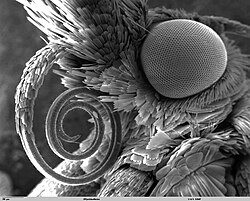
Insects have highly specialized mouthparts, including mandibles, maxillae, and a labium, which can be modified for chewing, piercing, or sucking. Decapods, such as crabs, utilize six pairs of mouth appendages to manipulate food. Even sea urchins possess a complex set of five calcareous plates known as Aristotle's lantern, which function as jaws.
Vertebrate Oral Structures
Vertebrate mouth anatomy varies significantly across different classes of animals:
Fish and Amphibians
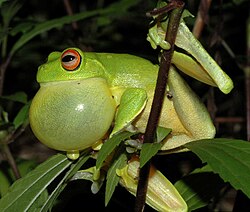
In fish, the buccal cavity is separated from the gills by the opercular cavity. Most fish use their jaws to seize prey and may use suction to draw food in. Amphibians, which are largely carnivorous as adults, often use elongated, sticky tongues to capture prey, which is then swallowed whole.
Reptiles and Birds
Reptilian mouths are diverse. Crocodilians are unique among reptiles for having teeth anchored in sockets, which they can replace many times throughout their lives. Snakes possess highly flexible lower jaws and multiple skull joints, allowing them to swallow prey much wider than their own heads. In contrast, birds lack teeth entirely. They rely on beaks composed of a keratinous sheath to grip and manipulate food.

Mammals
The mammalian buccal cavity is characterized by a roof formed by the hard and soft palates, a floor formed by the tongue, and surrounding cheeks and salivary glands. Teeth are embedded in the upper and lower jaws, and the cavity empties into the oesophagus via the pharynx.
Secondary Functions: Cooling and Communication
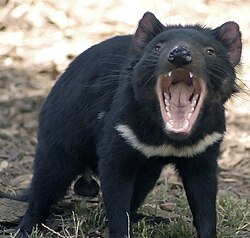
The mouth serves critical roles beyond nutrition. Many animals use the mouth for thermoregulation (temperature regulation). Crocodilians gape their mouths to allow evaporative cooling, while many mammals use panting to increase evaporation across the tongue and mouth surfaces.
Furthermore, the mouth is a primary tool for communication. Animals use gaping displays or prominent teeth to signal threats to competitors. In terms of sound, air forced from the lungs over vocal cords in the larynx allows for vocalization. In humans, the tongue, teeth, and lips act as articulators to shape speech. Birds use a specialized organ called the syrinx at the base of the trachea to produce song.
Summary of Oral Structures
| Animal Group | Primary Oral Features | Key Characteristic |
|---|---|---|
| Sponges | None (Endocytosis) | No mouth or gut present |
| Insects | Mandibles, Maxillae, Labium | Highly specialized for feeding modes |
| Fish | Jaws, Gills, Pharynx | Water flows through mouth to gills |
| Birds | Keratinized Beak | No teeth; uses syrinx for song |
| Mammals | Teeth, Tongue, Palates, Cheeks | Complex articulation for speech/eating |
Frequently Asked Questions
What is the difference between a protostome and a deuterostome?
The difference lies in the embryonic development of the gut. In deuterostomes, the first opening (the blastopore) becomes the anus. In protostomes, the blastopore develops into both the mouth and the anus.
How do birds eat without teeth?
Birds use beaks made of a hard, horny sheath of keratin to grip, manipulate, and macerate their food.
Why do some animals gape their mouths open?
Animals may gape for two main reasons: thermoregulation (to allow evaporative cooling) or as a threat display to warn off potential competitors or predators.
What is the function of the tongue in the mouth?
The tongue serves as the floor of the buccal cavity and is essential for manipulating food, swallowing, and in many species, assisting in vocalization or prey capture.
Do all vertebrates have teeth?
No. While most vertebrates have teeth, birds are a notable exception, relying on their beaks instead.