Moscow: A Comprehensive Guide to Russia's Vibrant Capital Moscow, the capital and federal city of Russia, is a sprawling metropolis where centuries of history meet cutting-edge modernity....
Moscow: A Comprehensive Guide to Russia's Vibrant Capital
Moscow, the capital and federal city of Russia, is a sprawling metropolis where centuries of history meet cutting-edge modernity. First mentioned in 1147, the city has evolved from a medieval principality into one of the largest and most influential urban centers in Europe. Today, it serves as the political, economic, and cultural heart of the nation, characterized by its iconic red walls, soaring skyscrapers, and a complex network of transport rings.
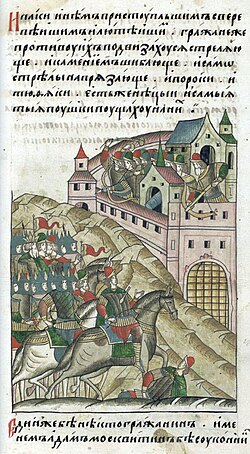
The 1382 siege of Moscow, miniature from the Illustrated Chronicle of Ivan the Terrible: The 1382 siege of Moscow, miniature from the Illustrated Chronicle of Ivan the Terrible
Key Facts
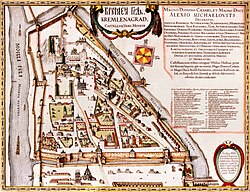
The Kremlin during the reign of Alexis of Russia, 1663
First Mentioned: 1147
Population: Over 13 million (2021 Census)
Total Area: 2,561.5 km²
GDP (Nominal): ₽41 trillion (2024)
Major Landmark: Red Square and the Kremlin
Primary Language: Russian
A Journey Through History
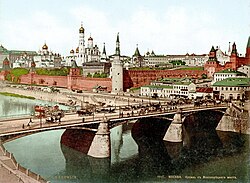
Moskva riverfront in the 19th century
The history of Moscow is a saga of resilience and transformation. From its early days as a growing settlement to its rise as the center of the Grand Principality, the city has survived numerous sieges and political shifts. During the Tsardom period, Moscow solidified its role as the seat of power, a status that continued through the Russian Empire.
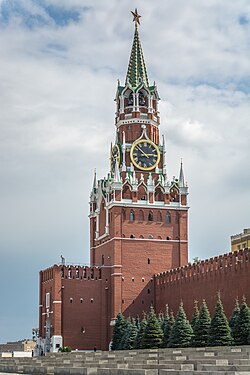
The Spasskaya Tower, built in 1491: The Spasskaya Tower, built in 1491
The 17th and 18th centuries saw significant architectural developments, though the city faced immense challenges, including the destruction of streets and various invasions. The Soviet period brought radical changes to the city's layout and purpose, turning it into a global symbol of socialist power. In the modern era, Moscow has undergone a massive transformation, integrating high-tech business districts with its historic core.
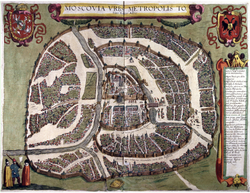
The Sigismundian Plan of Moscow (1610), before the city's destruction in 1612 and changes to streets. The north is to the right.: The Sigismundian Plan of Moscow (1610), before the city's destruction in 1612 and changes to streets. The north is to the right.
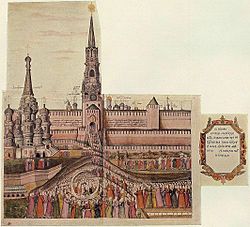
The election of Michael I as tsar in 1613: The election of Michael I as tsar in 1613
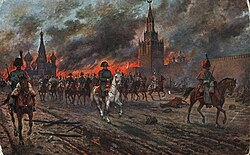
Napoleon retreating during the Fire of Moscow, after the failed French invasion: Napoleon retreating during the Fire of Moscow, after the failed French invasion
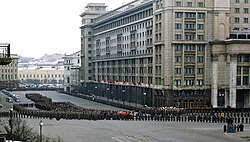
Stalin's funeral procession, 1953: Stalin's funeral procession, 1953
Architecture and Landmarks
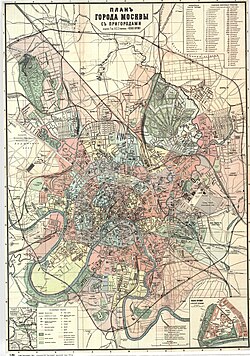
City plan of Moscow, 1917
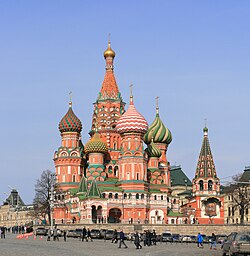
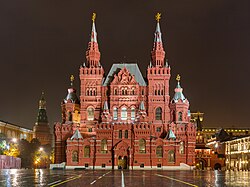
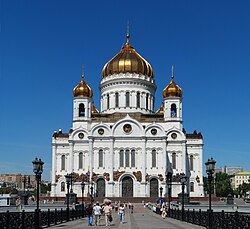
Moscow's skyline is a breathtaking blend of styles. Visitors can witness the intricate beauty of Russian Orthodoxy architecture, such as the colorful Saint Basil's Cathedral, or the grandiosity of Neo-Byzantine structures like the Cathedral of Christ the Saviour. The city also features the Neo-Russian style, exemplified by the State Historical Museum.
Saint Basil's Cathedral, built in 1561: Saint Basil's Cathedral, built in 1561
The State Historical Museum, an example of the Neo-Russian style: The State Historical Museum, an example of the Neo-Russian style
The Cathedral of Christ the Saviour, an example of Neo-Byzantine architecture: The Cathedral of Christ the Saviour, an example of Neo-Byzantine architecture
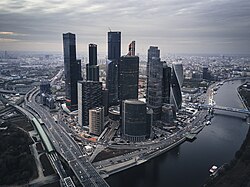
In contrast to these historic sites, the Moscow International Business Center (MIBC) represents the city's future. This district introduced modern skyscraper construction methods to the city and continues to expand, with further development planned through 2027.
Modern methods of skyscraper construction were implemented in the city for the first time with the ambitious MIBC.: Modern methods of skyscraper construction were implemented in the city for the first time with the ambitious MIBC.
The 2020 development concept of Moscow International Business Center and its adjacent territory implies the construction of even more skyscrapers during the period of 2020–2027.[253][254]: The 2020 development concept of Moscow International Business Center and its adjacent territory implies the construction of even more skyscrapers during the period of 2020–2027.
Iconic Towers and Structures
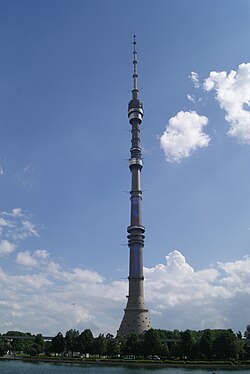
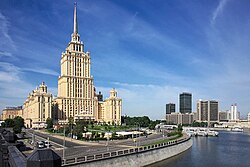
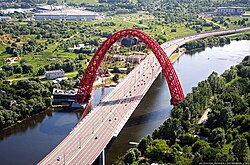
Several structures define the Moscow skyline. The Ostankino Tower stands as the tallest freestanding structure in Europe, while the Hotel Ukraina (one of the "Seven Sisters") remains one of the tallest hotels in the world. For a modern engineering marvel, the Zhivopisny Bridge holds the title of the highest cable-stayed bridge in Europe.
Ostankino Tower, the tallest freestanding structure in Europe, and the eighth-tallest in the world: Ostankino Tower, the tallest freestanding structure in Europe, and the eighth-tallest in the world
One of the Seven Sisters, Hotel Ukraina, is the tallest hotel in Europe, and one of the tallest hotels in the world.: One of the Seven Sisters, Hotel Ukraina, is the tallest hotel in Europe, and one of the tallest hotels in the world.
Zhivopisny Bridge, the highest cable-stayed bridge in Europe: Zhivopisny Bridge, the highest cable-stayed bridge in Europe
Culture, Education, and Sport
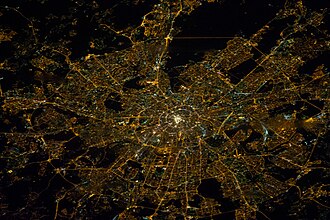
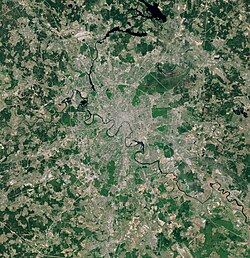
Satellite view of Moscow and its nearby suburbs
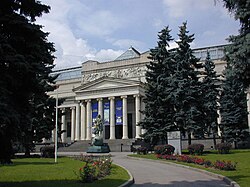
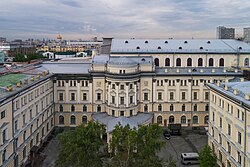
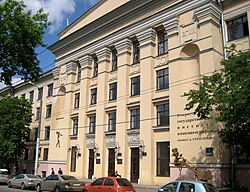
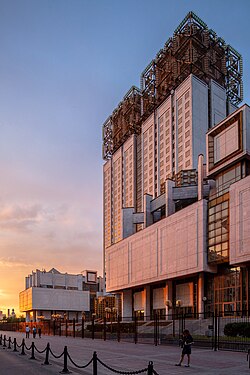
Moscow is a global hub for the arts and sciences. It is home to world-renowned institutions such as the Moscow Conservatory, the Pushkin Museum of Fine Arts, and the Russian Academy of Sciences. For aspiring filmmakers, the Russian State Institute of Cinematography stands as the world's oldest film school.
The Pushkin Museum of Fine Arts: The Pushkin Museum of Fine Arts
The Moscow Conservatory building: The Moscow Conservatory building
The Russian State Institute of Cinematography, the world's oldestfilm school: The Russian State Institute of Cinematography, the world's oldestfilm school
Russian Academy of Sciences: Russian Academy of Sciences
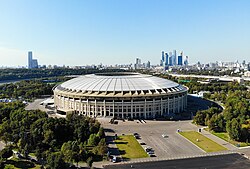
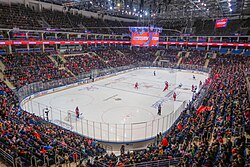
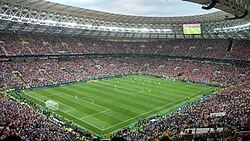
The city's passion for sports is evident in its world-class facilities. The Luzhniki Stadium has hosted major international events, including the 1980 Summer Olympics and the 2018 FIFA World Cup Final. The city also boasts a strong presence in ice hockey, with arenas hosting games in the KHL, considered the second-best ice hockey league in the world.
The Luzhniki Stadium hosted the 1980 Summer Olympics and the 2018 FIFA World Cup Final.: The Luzhniki Stadium hosted the 1980 Summer Olympics and the 2018 FIFA World Cup Final.
CSKA Arena during a game of KHL, considered to be the second-best ice hockey league in the world: CSKA Arena during a game of KHL, considered to be the second-best ice hockey league in the world
The Luzhniki Stadium in Moscow, which hosted games of the 2018 FIFA World Cup: The Luzhniki Stadium in Moscow, which hosted games of the 2018 FIFA World Cup
Urban Life and Transportation
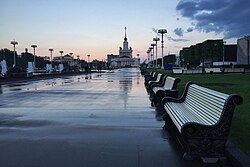
VDNKh after rain
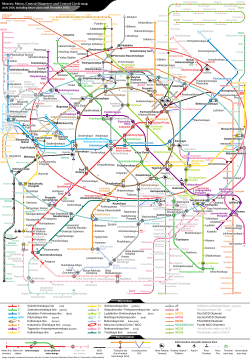
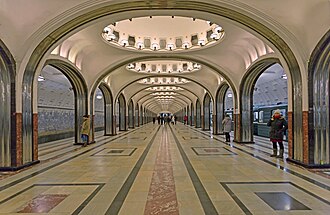
Navigating Moscow is an experience in itself. The city is organized around several concentric rings, including the Garden Ring and the Moscow Ring Road (MKAD). The Moscow Metro is a vital artery, famous for its ornate stations like Mayakovskaya.
Moscow Metro route map with planned stations: Moscow Metro route map with planned stations
Mayakovskaya station, opened in 1938: Mayakovskaya station, opened in 1938
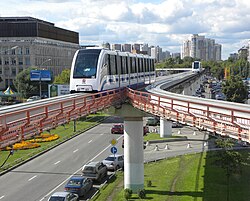
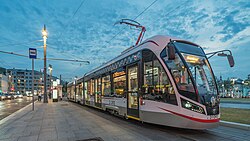
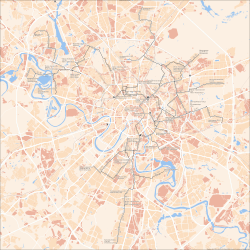
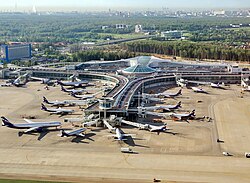
Beyond the metro, Moscow offers a diverse range of transport, including a monorail, an extensive tram network, and a massive fleet of electric buses. For long-distance travel, the city is served by ten major rail terminals and Sheremetyevo, the busiest airport in Russia.
Two trains of the Moscow Monorail: Two trains of the Moscow Monorail
Moscow has the largest fleet of electric buses in Europe, with 500 operating as of October 2020.[236]: Moscow has the largest fleet of electric buses in Europe, with 500 operating as of October 2020.
A Vityaz-M tram passing by the Tverskaya Zastava Square: A Vityaz-M tram passing by the Tverskaya Zastava Square
Tram map of Moscow: Tram map of Moscow
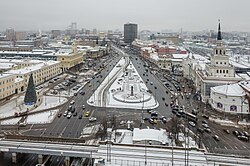
Komsomolskaya Square known as "Three Station Square" thanks to three ornate rail terminal situated there: Leningradsky, Yaroslavsky, and Kazansky.: Komsomolskaya Square known as "Three Station Square" thanks to three ornate rail terminal situated there: Leningradsky, Yaroslavsky, and Kazansky.
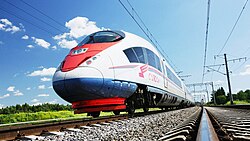
The high-speed Sapsan train links Moscow with Saint Petersburg.: The high-speed Sapsan train links Moscow with Saint Petersburg.
Sheremetyevo, the busiest airport in Russia, is ranked as the eleventh-busiest airport in Europe.: Sheremetyevo, the busiest airport in Russia, is ranked as the eleventh-busiest airport in Europe.
For those who prefer road travel, Moscow boasts one of the world's largest carsharing fleets, with over 30,000 vehicles available as of 2020.
As of 2020, Moscow has the largest fleet of carsharing vehicles in the world, with more than 30,000 cars.[248]: As of 2020, Moscow has the largest fleet of carsharing vehicles in the world, with more than 30,000 cars.
City Statistics Summary
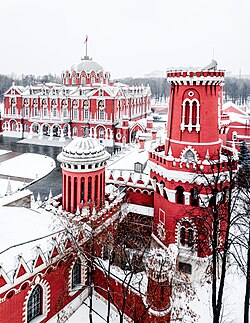
Petrovsky Palace on Leningradsky Avenue in winter
Moscow Demographic and Geographic Overview
Category
Data Point
Total Population (2021)
13,010,112
Urban Density
2,762/km²
Total Area
2,561.5 km²
Time Zone
UTC+3 (MSK)
Major Religion
Russian Orthodoxy (55%)
Frequently Asked Questions
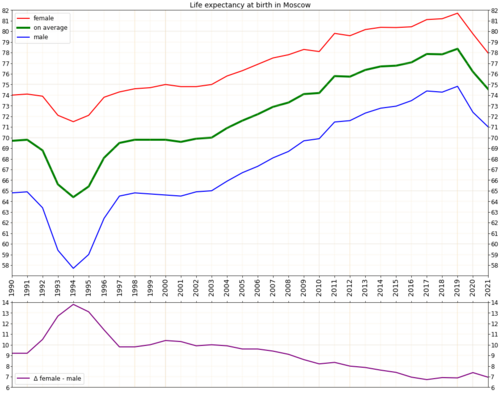
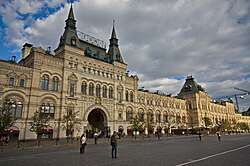
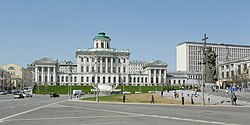
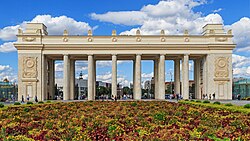
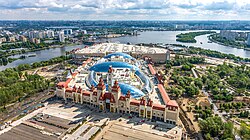
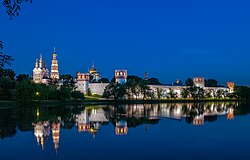
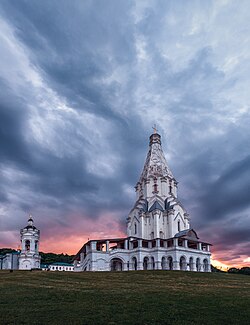
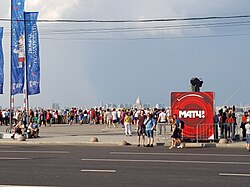
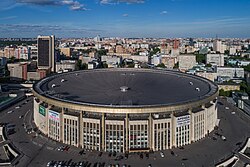
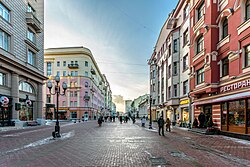
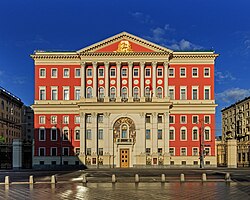
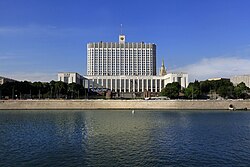
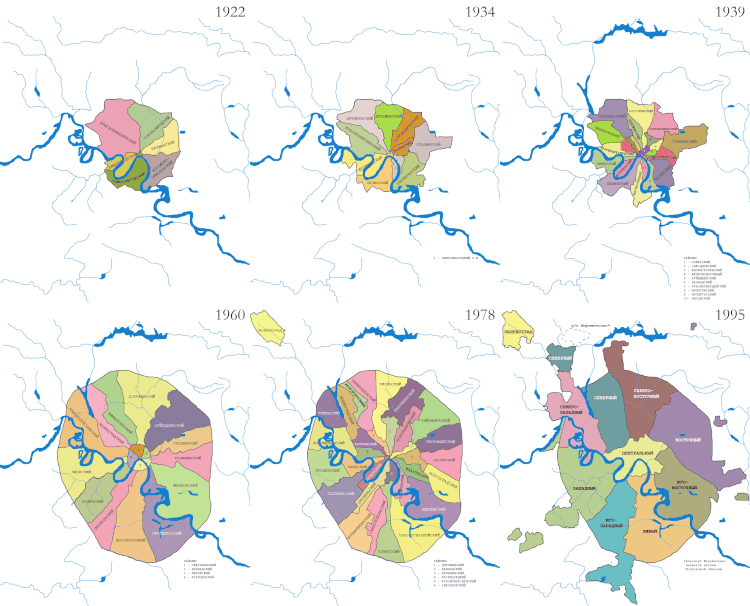
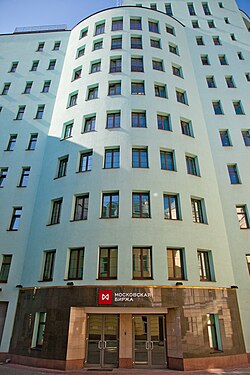
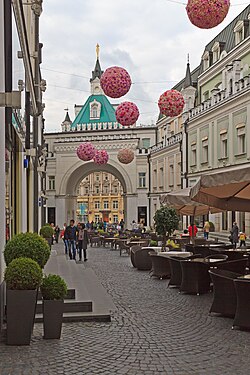
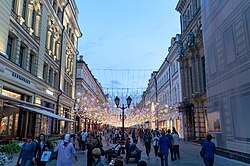
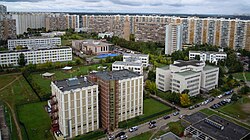
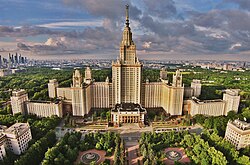
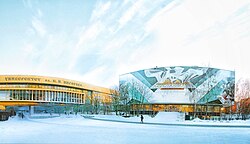
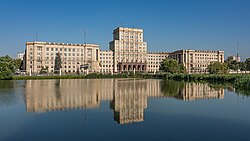
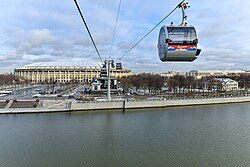
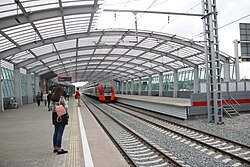
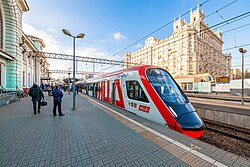
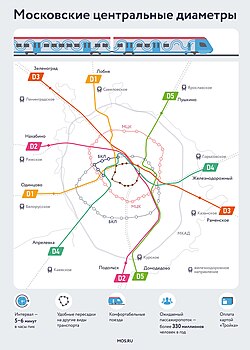
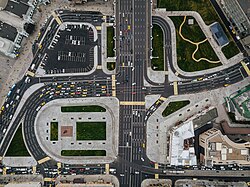
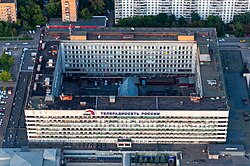
Life expectancy at birth since 1990, with gender difference. Life expectancy has been declining since 2019.GUM department store, facing the Red SquareBorovitskaya square, Monument to Vladimir the Great and Pashkov HouseGorky ParkDream Island, the largest indoor theme park in EuropeNovodevichy Convent is a World Heritage Site.The Church of Ascension in Kolomenskoye is a World Heritage Site.Moscow as viewed from the International Space Station, 29 January 2014Sparrow Hills fanzone during 2018 FIFA World CupSC Olimpiyskiy was built for the 1980 Summer Olympics.Arbat Street, in the historical centre of MoscowGovernment of MoscowThe House of the Government of the Russian FederationA BMW 5 Series of the Moscow Police on patrolTerritorial change of Moscow from 1922 to 1995Moscow ExchangeTretyakovsky ProyezdNikolskaya StreetA microdistrict in Mitino built in the 1990sMoscow State UniversityPirogov Russian National Research Medical UniversityThe main building of the Bauman Moscow State Technical UniversityCable cars passing across the Moskva River and the Luzhniki Stadium"Lastochka" train on "Luzhniki" station (Line 14)An EG2Tv train arriving at the Moscow Belorussky railway stationMap of the Moscow Central DiametersIntersection at Tverskaya Zastava SquareThe RTRN building
What is the most famous landmark in Moscow?
While Moscow has many, Red Square, the Kremlin, and Saint Basil's Cathedral are among its most iconic and globally recognized landmarks.
How large is the population of Moscow?
According to the 2021 Census, the total population of Moscow is approximately 13,010,112 people.
What is the climate like in Moscow?
Moscow experiences a continental climate with significant seasonal variations. Winters can be quite cold, with mean minimum temperatures often dropping below freezing, while summers can be warm, with record highs reaching above 38°C.
How do people get around the city?
The city features a highly developed transport system including the Moscow Metro, the Moscow Monorail, trams, electric buses, and a vast network of roads and railways.
Is Moscow a major business hub?
Yes, Moscow is a massive economic center. It hosts many of Russia's largest private companies, such as Lukoil, and features a dedicated international business district (MIBC).
![The 2020 development concept of Moscow International Business Center and its adjacent territory implies the construction of even more skyscrapers during the period of 2020–2027.[253][254]](/images/54/4f/544f24aec552ab48106cc5e88976f8a57df6371caf31e3e18170f9a8931b9ae3.jpg)
![Moscow has the largest fleet of electric buses in Europe, with 500 operating as of October 2020.[236]](/images/57/e9/57e964c8707cb02dda0d60f7152c5b3956f328e7c7928ace4b608aadb2a71e41.jpg)
![As of 2020, Moscow has the largest fleet of carsharing vehicles in the world, with more than 30,000 cars.[248]](/images/53/63/5363b76491f9d5327c9faf7cb057a853da90567e288f8c78cdb74afa6e244b73.jpg)