Montevideo: The Vibrant Capital of Uruguay
Perched on the shores of the Atlantic Ocean, Montevideo serves as the political, economic, and cultural heart of Uruguay. Strategically located between Argentina and Brazil, this coastal city blends colonial charm with modern urbanity, offering a high quality of life and a rich historical tapestry that spans nearly three centuries.
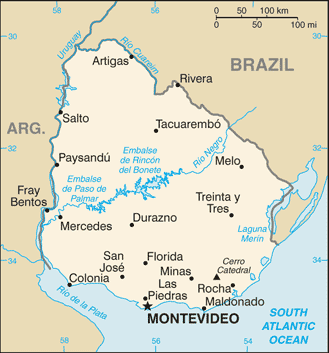
Key Facts
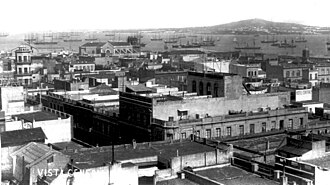
- Founded: 1726 by Bruno Mauricio de Zabala.
- Population: Approximately 1,287,452 in the capital city (2023).
- Economy: A total GDP (PPP) of $41.7 billion as of 2023.
- HDI: 0.841, categorized as very high.
- Geography: A coastal city with an elevation of 43 meters.
History and Evolution
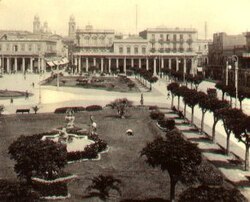
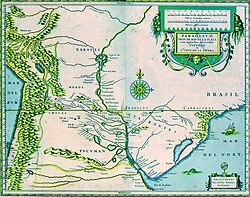
Originally established as the City of San Felipe and Santiago of Montevideo in 1726, the city began as a strategic outpost. Early maps of the Río de la Plata basin highlight its importance as a maritime gateway.
The 18th century saw the arrival of families from the Canary Islands in 1726, shaping the city's early demographic. By the 19th century, Montevideo became a focal point of regional conflict, notably during the Guerra Grande (1843–1851), a period of intense political and military struggle.
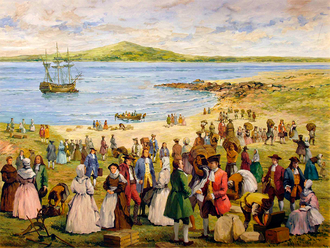
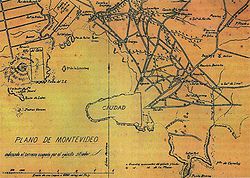
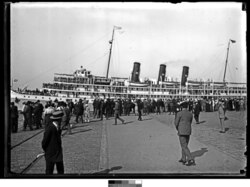
As the city entered the 20th century, it underwent significant urban expansion and modernization. The port became the primary entry point for massive migratory waves, bringing diverse cultural influences that define the city today.
!["Monte Video from the Anchorage outside the Harbour" by Emeric Essex Vidal (1820). The earliest securely dated picture of the city.[35]](/images/0e/f7/0ef7d443500a321cfe97df46346ae25d18852b6255390b5e1461032c09b70f0b.png)
Geography and Climate
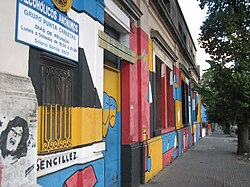
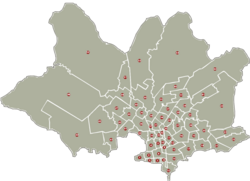
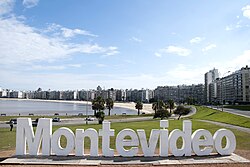
Montevideo is characterized by its extensive coastline and a temperate climate. The city is divided into numerous barrios (neighborhoods), ranging from the historic center to the populous residential areas like Pocitos.
The weather is generally mild, though it experiences distinct seasonal variations. Summer months (December to February) are warm, with mean daily maximums around 26-27°C, while winter (June to August) can be cool, with mean minimums dropping to approximately 7-8°C.
| Metric | Summer (Jan) | Winter (Jul) | Annual Average |
|---|---|---|---|
| Mean Max Temp | 27.8°C | 14.7°C | 21.4°C |
| Mean Min Temp | 18.8°C | 7.3°C | 13.1°C |
| Avg Precipitation | 94.6 mm | 93.2 mm | 1,142.7 mm |
City Landmarks and Architecture
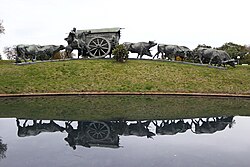
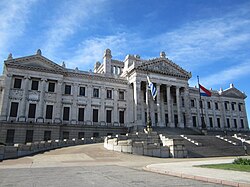
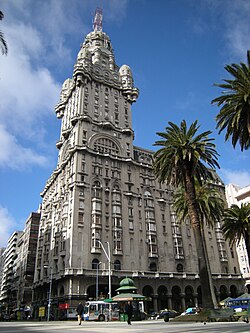
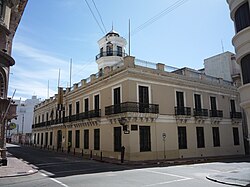
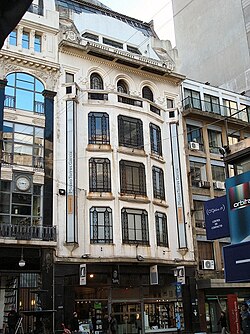
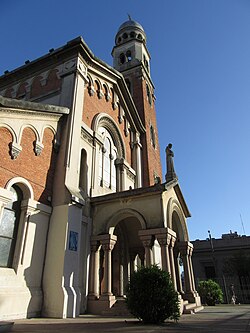
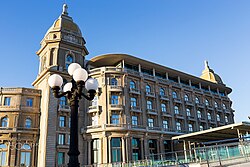
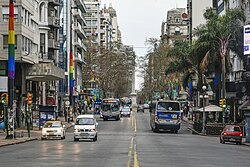
The city's skyline is a mix of neoclassical grandeur and modern skyscrapers. The Palacio Legislativo (Legislative Palace) stands as a testament to the city's political importance, while the Palacio Salvo remains one of its most iconic architectural landmarks.
Historic and Cultural Sites
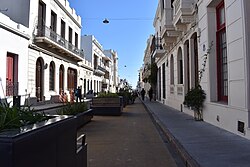
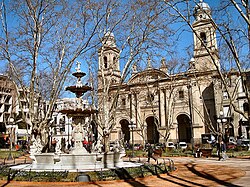
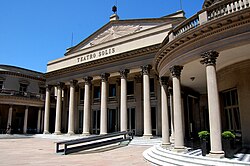
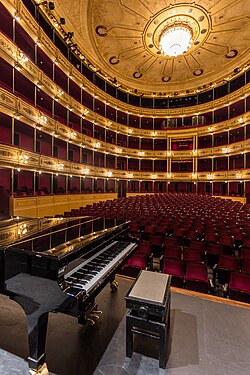
The Ciudad Vieja (Old City) is the historic core, featuring the Plaza de la Constitución and the Solís Theatre, the city's premier performing arts venue.
Modern Infrastructure
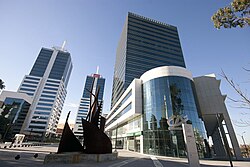
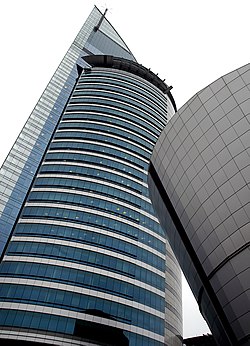
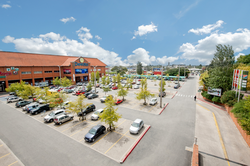
Montevideo has embraced modernity with the construction of the World Trade Center and the towering Telecommunications Tower (Antel Tower), which dominates the horizon.
Parks and Public Spaces
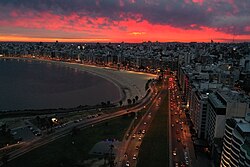
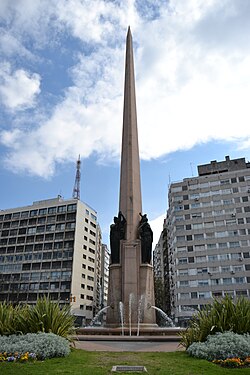
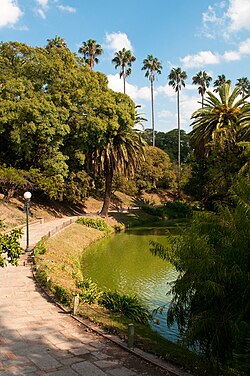
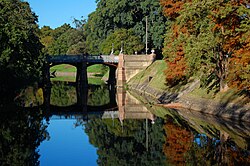
The city is renowned for its green spaces. Parque Batlle houses the famous Obelisk, while Parque Rodó offers both a serene natural environment and an amusement park. The Rambla, a continuous sidewalk along the coast, is the city's most beloved social space.

Culture and Society
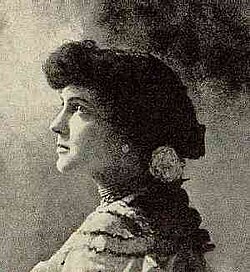
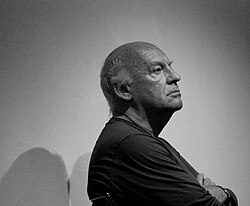
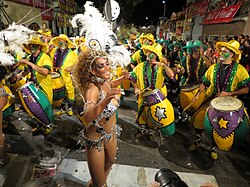
Montevideo is a hub for the arts and literature. It has produced renowned figures such as the writer Eduardo Galeano and the poet Delmira Agustini. The city's cultural life is further enriched by its vibrant Carnival, characterized by rhythmic drumming and elaborate costumes.
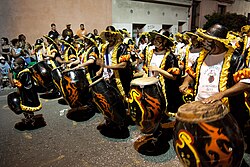
Sports are deeply ingrained in the local identity, with the Estadio Centenario serving as a historic venue for football, the nation's most popular sport.
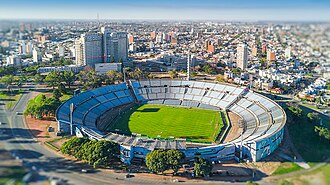
Infrastructure and Economy
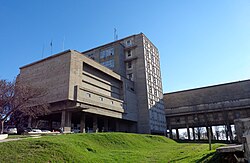
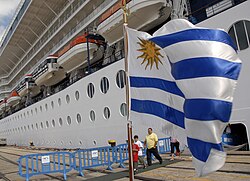
The city's economy is supported by a robust service sector and its strategic port. The Port of Montevideo is a critical hub for international trade and cruise tourism.
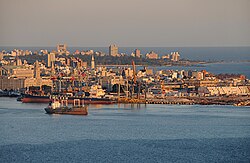
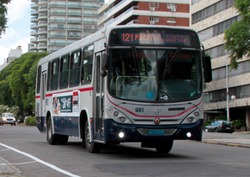
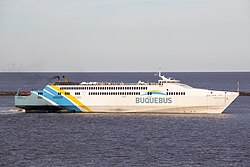
Transportation is facilitated by a comprehensive bus network, led by companies like CUTCSA, and high-speed ferry services (Buquebus) that connect the city to Argentina.
Frequently Asked Questions


When was Montevideo founded?
Montevideo was founded in 1726 by Bruno Mauricio de Zabala.
What is the most populous neighborhood in Montevideo?
Pocitos is the most populous neighborhood in the city.
What are the main architectural landmarks of the city?
Key landmarks include the Palacio Legislativo, Palacio Salvo, the Telecommunications Tower, and the Solís Theatre.
How is the climate in Montevideo?
The city has a temperate climate with mild temperatures year-round, though it experiences cooler winters and warm summers, with significant annual precipitation of over 1,100 mm.
What is the significance of the Rambla?
The Rambla is a prominent coastal sidewalk that serves as a primary recreational and social area for the residents of Montevideo.