Republic of Moldova: A Heart in Eastern Europe
The Republic of Moldova is a landlocked nation in Eastern Europe, known for its rich agricultural heritage, deep-rooted traditions, and a complex geopolitical landscape. From the rolling hills of its countryside to the bustling streets of its capital, Chișinău, Moldova blends a diverse ethnic tapestry with a strong commitment to its European future.
Historically emerging from the Principality of Moldavia, the modern state has navigated various political transitions, including periods of union with Romania and membership in the Soviet Union, before gaining its independence on August 27, 1991.
Key Facts
- Capital: Chișinău (the largest city).
- Official Language: Romanian.
- Government: Unitary parliamentary republic.
- EU Status: Recognized candidate for membership since June 2022.
- Currency: Moldovan leu (MDL).
- Primary Religion: Christianity, predominantly Eastern Orthodoxy (94.3%).
Geography and Biodiversity
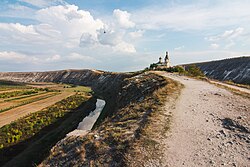
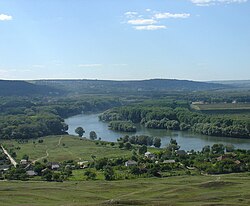
Moldova is characterized by its fertile plains and river systems, most notably the Nistru (Dniester) River, which plays a vital role in the country's geography and ecology.
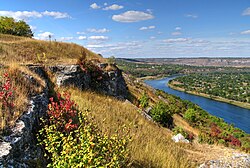
The landscape is varied, featuring the scenic vistas of the Ungheni District and the unique reserves of the Edineț District. The country's biodiversity is protected through several scientific reserves, including the Codru Reserve and the Pădurea Domnească.
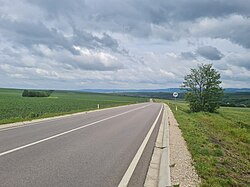
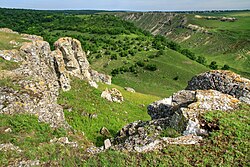
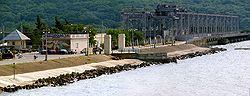
The Nistru River continues to be a defining feature of the southern regions, providing essential water resources and shaping the local environment.
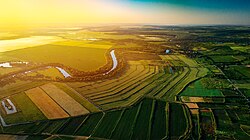
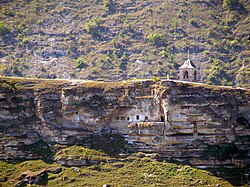
One of the most striking cultural and natural landmarks is the Orhei National Park, which houses ancient cave churches at Old Orhei, representing the only national park in the country.
Historically, the region was home to exotic species such as the saiga, a near-threatened antelope mentioned in Henryk Sienkiewicz's novel With Fire and Sword, though they are now extinct within Moldova.
![Noted for its vivid portrayal of the lower Nistru river (Dniester), Henryk Sienkiewicz's novel With Fire and Sword opens with a description of saigas as a way to highlight the story's exotic setting.[40][41] Saigas are a near-threatened species that is now extinct in Moldova.](/images/6f/8d/6f8d2cc945092b104f0310b663cfb91c377c7f790d5181faf26ad5d0f0a9d42a.jpg)
Government and International Relations
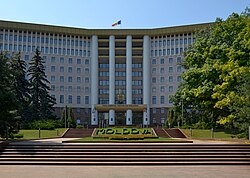
Moldova operates as a unitary parliamentary republic. The current leadership includes President Maia Sandu, Prime Minister Vasile Tofan, and Parliament President Igor Grosu.
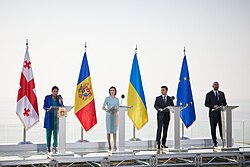
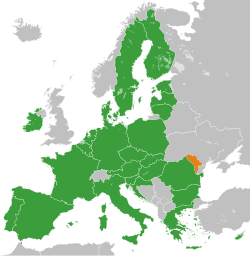
In recent years, Moldova has pivoted strongly toward Western integration. In 2014, it signed Association Agreements with the European Union. This trajectory culminated in June 2022, when Moldova officially became a recognized candidate for EU membership.
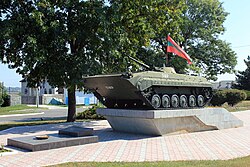
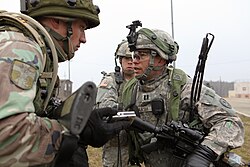
While the state maintains a professional military, it also manages complex internal security challenges, particularly regarding the uncontrolled territory of Transnistria.
Economy and Infrastructure
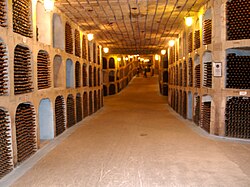
The Moldovan economy is heavily influenced by agriculture and the wine industry. The country is world-renowned for its viticulture, boasting the world's largest wine cellar at Mileștii Mici.
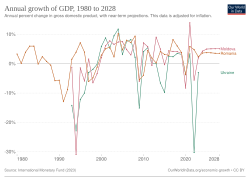
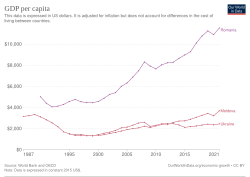
Agricultural land, particularly along the Dniester, remains a cornerstone of the national GDP. Economic data shows a steady growth in nominal GDP, reaching an estimated $21.889 billion by 2026.
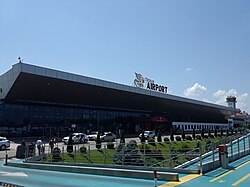
Infrastructure is centered around the capital, with the Chișinău Eugen Doga International Airport serving as the primary gateway for international travel.
Economic Summary Table
| Indicator | Value | Global Rank |
|---|---|---|
| Nominal GDP (Total) | $21.889 Billion | 130th |
| Nominal GDP Per Capita | $9,354 | 89th |
| GDP PPP (Total) | $49.537 Billion | 135th |
| GDP PPP Per Capita | $21,170 | 93rd |
| HDI (2023) | 0.785 (High) | 86th |
Society and Culture
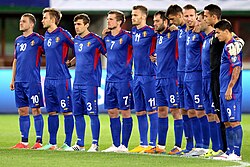
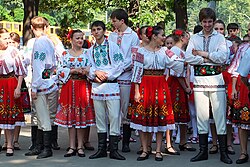
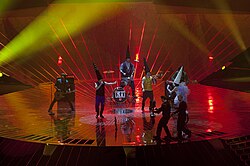
Moldovan society is a blend of ethnic groups, with Moldovans making up 76.7% of the population, followed by Romanians, Ukrainians, Gagauz, and Russians. This diversity is reflected in the country's rich cultural expressions, from traditional national costumes to modern music.
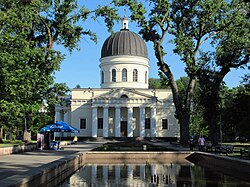
Religion plays a central role in daily life, with the Moldovan Orthodox Church being the dominant faith, exemplified by the Nativity Cathedral in Chișinău.
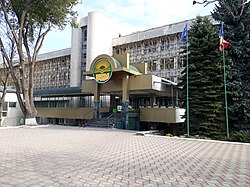
Education is highly valued, with the Moldova State University serving as a primary center for higher learning.
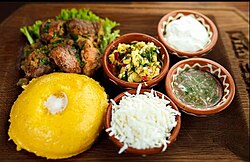
The culinary tradition is a point of national pride, featuring staples such as Mămăligă (a cornmeal porridge) and Zeama (traditional chicken soup).
Frequently Asked Questions
What is the official language of Moldova?
The official and national language of the Republic of Moldova is Romanian.
When did Moldova become a candidate for the European Union?
Moldova was recognized as a candidate for membership in the European Union in June 2022.
What is the significance of Mileștii Mici?
Mileștii Mici is home to the largest wine cellar in the world, highlighting Moldova's global importance in the wine industry.
What is the status of Transnistria?
Transnistria is an uncontrolled territory within the borders of Moldova, and its exclusion is often noted in national population and economic statistics.
What are the main ethnic groups in Moldova?
The majority of the population identifies as Moldovan (76.7%), with significant minorities including Romanians, Ukrainians, Gagauz, and Russians.