Minsk: The Historical and Cultural Heart of Belarus
Minsk, the vibrant capital of Belarus, serves as the nation's primary political, economic, and cultural hub. First mentioned in historical records as early as 1067, the city has evolved from a medieval settlement into a sprawling modern metropolis. Today, it is a city of contrasts, where deep historical roots meet contemporary urban development, offering a unique window into the complex history of Eastern Europe.
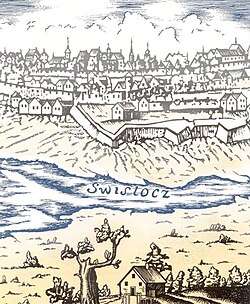
The city's journey through time is marked by significant shifts in governance and architecture. From its early days to the late medieval and early modern eras, Minsk has seen various influences shape its identity. The city's layout and character have been profoundly impacted by periods of Russian rule and the tumultuous events of the 20th century.
Key Facts
- First Mentioned: 1067
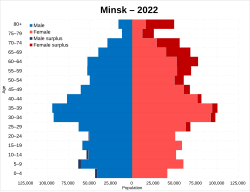
- Population: Approximately 1,995,091 (2026 estimate)
- Total Area: 409.53 km²
- GDP (Nominal, 2024): Br 80.774 billion (approx. US$ 27.850 billion)
- HDI (2023): 0.835 (Very High)
- Time Zone: UTC+03:00 (MSK)
A Complex Historical Legacy
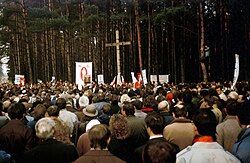
The history of Minsk is a narrative of resilience. The 20th century, in particular, brought immense challenges. During the Great Purge between 1937 and 1941, the NKVD (the Soviet secret police) murdered between 30,000 and 250,000 members of the Belarusian intelligentsia in locations such as the Kurapaty woods.
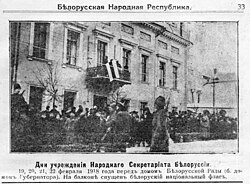
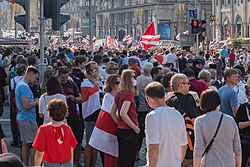
The city also played a central role in the political shifts of the early 20th century, including the era of the Belarusian People's Republic in 1918.
Architecture and Urban Landscape
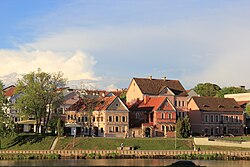
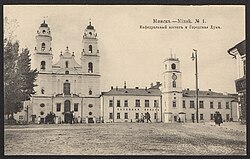
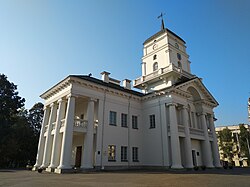
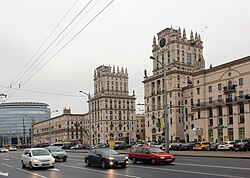
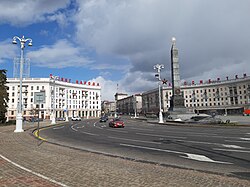
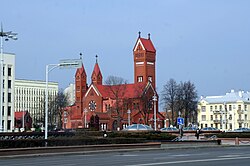
Minsk's architecture is a visual timeline of its past. Visitors can find remnants of the old city, such as the rebuilt Minsk Old Town Hall, alongside the grand examples of Stalinist architecture found in areas like Railway Station Square.
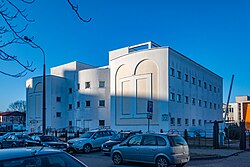
Religious landmarks also define the skyline, ranging from the Russian Orthodox Church of Sts. Peter and Paul to the Roman Catholic Church of Holy Trinity. The city's spiritual diversity is reflected in its many churches and the new synagogue.
Culture, Arts, and Entertainment
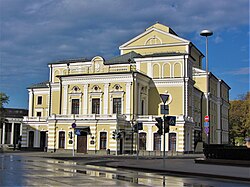
Minsk is a center for Belarusian arts and literature. The city hosts several major national institutions, including the Janka Kupala National Theatre, which performs in Belarusian, and the National Opera and Ballet Theatre.
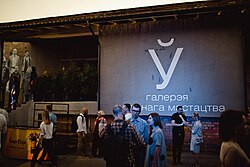
Museums play a vital role in preserving the nation's heritage. Key institutions include the National Art Museum, the Belarusian Great Patriotic War Museum, and the Belarusian National History Museum. For contemporary art enthusiasts, the Ў Gallery offers a modern perspective.
Sports and Recreation
The city is highly active in the sporting world, hosting various disciplines from football (FC Dinamo Minsk) to ice hockey (HC Dinamo Minsk). Large-scale venues like the Minsk Arena facilitate international-standard events.
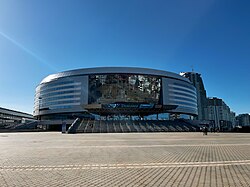
For leisure, residents and visitors enjoy parks such as Chelyuskinites Park and Yanka Kupala Park, as well as urban amenities like dedicated bike lanes, which have contributed to Minsk being recognized as a bike-friendly city.
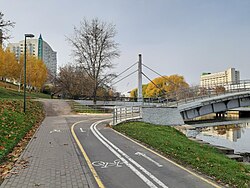
Infrastructure and Connectivity
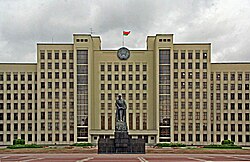
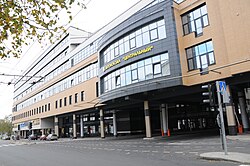
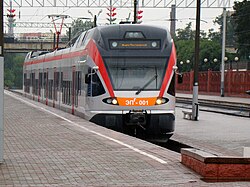
Minsk is well-connected through a robust transportation network. The Minsk Metro provides rapid transit across the city, while the central railway station serves as a major hub for intercity travel, featuring modern amenities and trilingual signage.
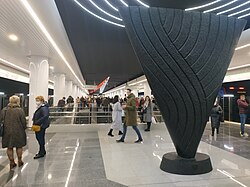
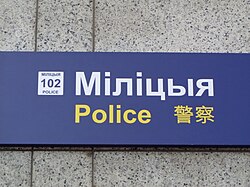
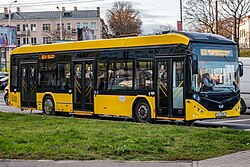
The city's transport ecosystem is further supported by the Minsk Central Bus Station and a variety of local transit options, including electric buses.
| Category | Details |
|---|---|
| Government | Minsk City Council of Deputies |
| Administrative Divisions | 9 Raions (Districts) |
| Major Industries | Various industrial employers |
| Climate | Humid continental (Mean annual temp: 7.2°C) |
| Connectivity | Minsk National Airport, Metro, Railway |
Frequently Asked Questions
What is the official language of Minsk?
Minsk is a multilingual city where both Belarusian and Russian are used extensively in daily life, administration, and culture.
How is the climate in Minsk?
Minsk experiences a continental climate with significant seasonal variations. Summers are relatively warm, while winters can be quite cold, with record lows reaching below -39°C.
What are the main districts of Minsk?
The city is subdivided into nine districts (raions), including Tsentralny (Central), Savetski (Soviet), Pershamayski (Pervomaysky), Leninski, and Maskouski.
Is Minsk a bike-friendly city?
Yes, Minsk has been recognized among the top three bike-friendly cities in the CIS, featuring dedicated bike lanes and organized cycling events.
What is the population density of Minsk?
As of recent estimates, the city has a population density of approximately 4,871.7 people per square kilometer.