Minor League Baseball: History, Structure, and Evolution
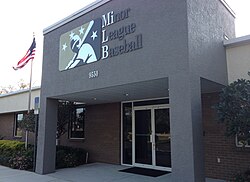
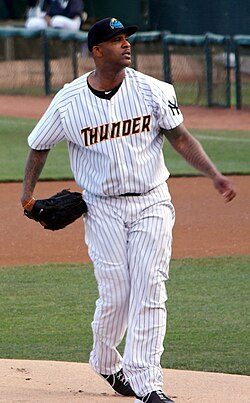
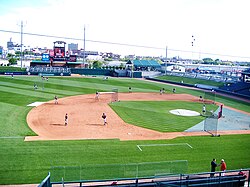
Minor League Baseball (MiLB) serves as the essential proving ground for professional athletes aspiring to reach the Major Leagues. Founded on September 5, 1901, this vast network of teams provides a structured environment where players develop their skills under the guidance of professional coaching. Now owned by Major League Baseball (MLB), the system encompasses 202 teams across the United States, Canada, and the Dominican Republic.
The journey from a rookie contract to the big leagues is a rigorous process of classification and promotion. By balancing competitive play with player development, MiLB ensures that only the most prepared athletes ascend to the highest level of the sport.

Key Facts
- Founded: September 5, 1901.
- Ownership: Owned and operated by Major League Baseball (MLB).
- Global Reach: 202 teams located in the US (149), Canada (1), and the Dominican Republic (52).
- Primary Purpose: To develop talent for Major League Baseball through a tiered affiliate system.
- Broadcasting: Games are available via MiLB.tv, the Bally Live App, and various local television stations.
The Evolution of the Minor League System
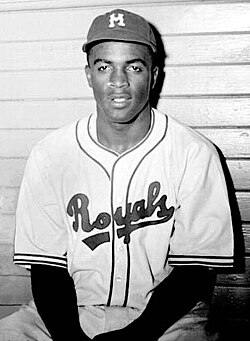
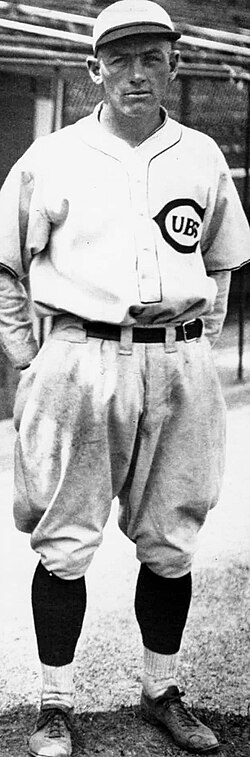
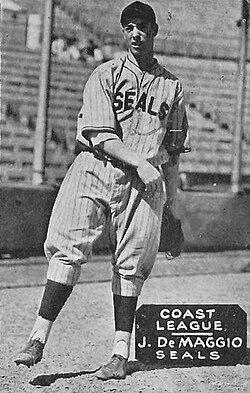
Early Foundations and the Farm System
In the early 20th century, the National Association of Professional Baseball Leagues established a rigid classification system based on city population and salary caps. For example, Class A leagues required cities with populations over 1 million, while Class D served cities with populations up to 200,000. This era saw the emergence of the farm system—a model where Major League teams owned or affiliated with lower-level teams to cultivate talent.
The 2021 Reorganization
One of the most significant shifts in modern history occurred during the 2021 reorganization. MLB streamlined the affiliate system, leading to several teams losing their Major League affiliations. Some teams transitioned to collegiate status (such as the Auburn Doubledays), while others became independent teams (such as the Billings Mustangs). This realignment redefined the classification hierarchy to create a clearer path for player progression.
Current Classification Hierarchy

The modern MiLB structure is divided into several tiers, each representing a step closer to the Major Leagues. Players move upward as they master the skills required for the next level.
Triple-A (AAA)
The highest level of the minors, consisting of the International League and the Pacific Coast League. These teams house players who are nearly ready for the majors or veterans providing depth.
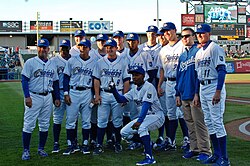
Double-A (AA)
Comprising the Eastern, Southern, and Texas Leagues, Double-A is often considered the most critical jump in talent and competition.
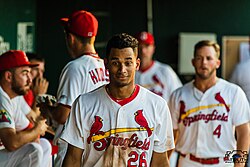
High-A and Single-A
High-A (formerly Class A-Advanced) includes the Midwest, Northwest, and South Atlantic Leagues. Single-A (formerly Low-A) consists of the California, Carolina, and Florida State Leagues. These levels focus on refining the fundamentals of professional play.
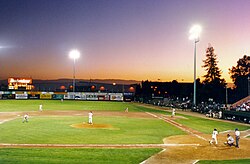
Rookie Leagues
The entry point for professional baseball, including the Arizona Complex League, Florida Complex League, and the Dominican Summer League. These leagues introduce young players to the professional grind.
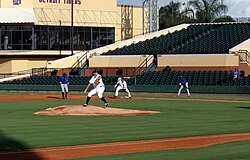
League and Team Overview

| Level | Key Leagues | Primary Focus |
|---|---|---|
| Triple-A | International, Pacific Coast | Final preparation for MLB |
| Double-A | Eastern, Southern, Texas | Advanced skill development |
| High-A | Midwest, Northwest, South Atlantic | Refining professional fundamentals |
| Single-A | California, Carolina, Florida State | Initial professional experience |
| Rookie | ACL, FCL, DSL | Introduction to pro baseball |
Attendance and Popularity
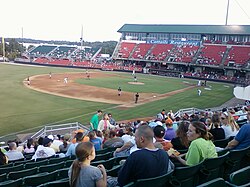
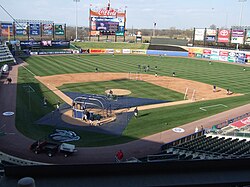
Minor League Baseball is not only about player development but also about community engagement. Many teams draw massive crowds due to their local appeal and family-friendly atmospheres. As of 2025, the Lehigh Valley IronPigs lead the league in average home attendance with 7,908 fans per game.
Frequently Asked Questions

What is the difference between an affiliate and an independent team?
An affiliate team is partnered with a Major League Baseball organization that provides the players and coaches. An independent team operates on its own, signing its own players without a direct MLB parent club.
How does a player move up through the levels?
Players are promoted based on their performance and the needs of the organization. Once a player demonstrates mastery of the competition at their current level (e.g., Single-A), they are promoted to the next tier (e.g., High-A).
What happened to the "Short Season A" classification?
During the 2021 reorganization, the Short Season A classification was eliminated as part of the effort to streamline the path to the Major Leagues.
Who manages the Minor Leagues?
While individual teams have owners and managers, the overall system is owned by Major League Baseball (MLB). Historically, the league was led by various presidents, starting with Patrick T. Powers from 1901 to 1909.
Where can fans watch Minor League games?
Fans can watch games through MiLB.tv, the Bally Live App, and various local television stations that broadcast specific team games.