Milwaukee Brewers: A Legacy of Baseball in the Brew City
The Milwaukee Brewers, affectionately known as the "Brew Crew" or "Los Cerveceros," stand as a cornerstone of professional sports in Wisconsin. With a history spanning over five decades, the franchise has evolved from its early days as an expansion team into a consistent contender in Major League Baseball (MLB). From the legendary "Harvey's Wallbangers" era of the 1980s to modern-day division titles, the Brewers have built a deep connection with their community through a tradition of excellence and resilience.
Key Facts
- Founded: 1969 as the Seattle Pilots; relocated to Milwaukee in 1970.
- Current Home: American Family Field (since 2001).
- Major Achievement: American League (AL) Pennant winner in 1982.
- League Affiliation: National League (NL) Central Division since 1998.
- Franchise Icons: Hall of Famers like Robin Yount and Paul Molitor.
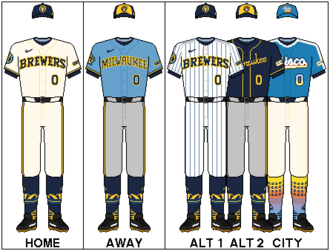
- Team Colors: Navy blue, yellow, and royal blue.
Franchise Origins and Evolution
The team began its journey in 1969 as the Seattle Pilots, an expansion team in the American League that played its home games at Sick's Stadium. However, the tenure in Washington was brief. After just one season, the franchise relocated to Milwaukee in 1970, rebranding as the Milwaukee Brewers and moving into Milwaukee County Stadium.
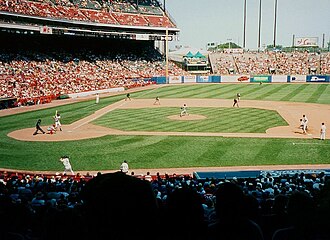
For nearly three decades, the Brewers competed in the American League, moving through the West, East, and Central divisions. A pivotal shift occurred in 1998 when the team joined the National League (NL) Central Division, where they have remained to the present day.
A Visual History: Uniforms and Identity
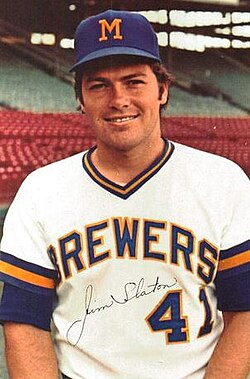
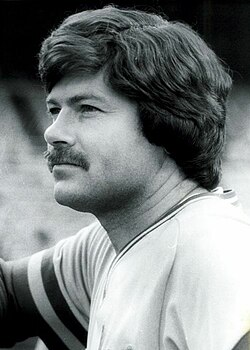
The Brewers' visual identity has evolved to reflect different eras of the game. In the 1970s, the team established its early look, featuring players like Jim Slaton in the original designs.
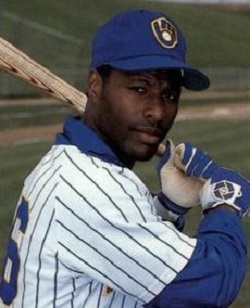
The 1980s saw a transition in style, as exemplified by the home uniforms worn by Mike Felder. This era also saw the introduction of the iconic "ball-in-glove" logo, which became a symbol of the franchise's identity for years.
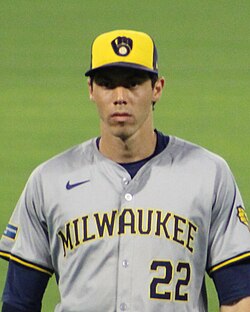
In recent years, the team has modernized its palette. In 2020, the Brewers updated the shade of gold for their jersey outlines and reintroduced a modernized version of the ball-in-glove logo. Between 2020 and 2025, the team utilized gray road uniforms before transitioning to a reimagined powder blue design.
Legendary Players and Achievements
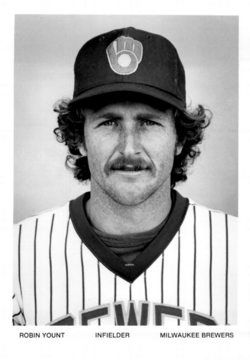
The Brewers have been home to some of the most talented athletes in baseball history. Robin Yount remains one of the most decorated players, earning the American League MVP Award in both 1982 and 1989.
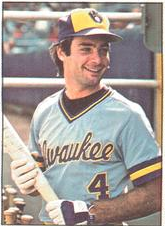
The franchise honors its greats through retired numbers. Number 4 was retired in honor of Hall of Famer Paul Molitor, who played for the team from 1978 to 1992.
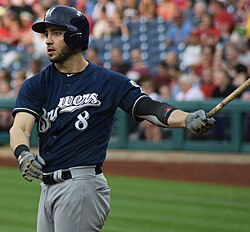
Statistically, the record books are dominated by a few key names. Ryan Braun holds the career record for home runs with 352, while Jim Slaton leads the franchise in wins (117), starts (268), shutouts (19), and total innings pitched (over 2,025 1⁄3).
Team Management and Operations
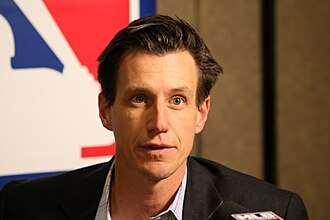
The Brewers' success is steered by a dedicated front office and coaching staff. Mark Attanasio serves as the principal owner, with Matt Arnold overseeing baseball operations as both President and General Manager. On the field, Pat Murphy currently serves as the manager, following the tenure of Craig Counsell, who led the team from 2015 to 2023.
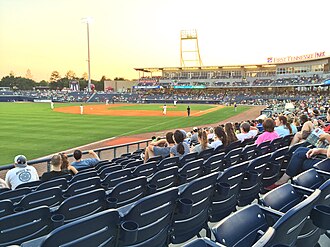
To develop future talent, the Brewers maintain a strong minor league system, including their Triple-A affiliate, the Nashville Sounds, who play at First Horizon Park in Tennessee.
The Voice of the Brewers
No history of the Milwaukee Brewers is complete without mentioning Bob Uecker. A beloved figure in sports broadcasting, Uecker served as the play-by-play announcer for the team's radio broadcasts for an incredible 54 seasons.
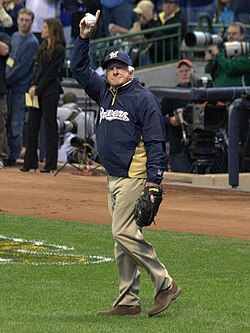
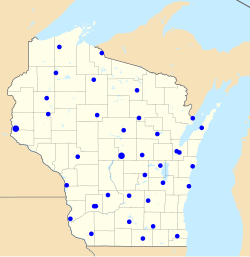
The reach of the Brewers' broadcasts is extensive, with a wide network of radio affiliates ensuring fans across the region can follow every pitch.
Franchise Summary
| Category | Details |
|---|---|
| Established | 1969 (as Seattle Pilots) |
| Current Ballpark | American Family Field |
| AL Pennants | 1 (1982) |
| NL Central Titles | 6 (2011, 2018, 2021, 2023, 2024, 2025) |
| Retired Numbers | 1, 4, 19, 34, 44, 42 |
| Home Run Leader | Ryan Braun (352) |
| Wins Leader | Jim Slaton (117) |
Frequently Asked Questions
When did the Milwaukee Brewers move from Seattle?
The team began as the Seattle Pilots in 1969 and relocated to Milwaukee to become the Brewers in 1970.
Which league do the Brewers currently play in?
The Brewers have been members of the National League (NL) Central Division since 1998; prior to that, they played in the American League.
Who is the franchise leader in home runs?
Ryan Braun is the career leader in home runs for the Milwaukee Brewers with 352.
Who is the most successful pitcher in Brewers history?
Jim Slaton holds the franchise records for wins (117), starts (268), shutouts (19), and innings pitched (2,025+1⁄3).
What is the significance of the number 4 for the Brewers?
The number 4 has been retired by the organization to honor Hall of Famer Paul Molitor, who played for the team from 1978 to 1992.