Millicent Martin's Tenure in the U.S. House of Representatives
Millicent Martin entered the political arena during a pivotal moment in American history. Following the retirement of Representative John B. Anderson, who left his seat to run for president in 1980, Martin emerged victorious from a competitive four-way Republican primary to secure the open seat in the U.S. House of Representatives.
Martin's political identity was defined by a unique blend of ideologies. She campaigned on a platform of fiscal conservatism—emphasizing lower taxes and business deregulation—while maintaining socially liberal views, including support for the Equal Rights Amendment (ERA) and pro-choice advocacy.
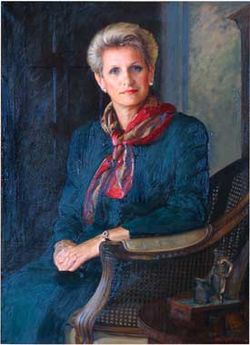
Key Facts
- First woman elected to a position in the Republican House Leadership.
- Served as Vice Chair of the House Republican Conference.
- Nicknamed "the Axe" for her aggressive efforts to reduce government spending.
- Member of the Armed Services, Budget, and House Rules Committees.
- Played a critical role in preparing George H.W. Bush for the 1984 vice presidential debate.
Legislative Impact and Committee Work
During her time in Congress, Martin was deeply involved in the machinery of government, serving on the House Rules Committee, the Armed Services Committee, and the Budget Committee. It was her work on the latter that earned her the moniker "the Axe," a testament to her commitment to cutting expenditures.
Despite her party affiliation, Martin frequently broke ranks with fellow Republicans on key policy issues. Her independent streak was evident in her support for a minimum wage increase and her vote to override President Reagan's 1986 veto of a sanctions bill targeting the apartheid regime in South Africa. Additionally, she collaborated with Democrats to increase penalties for white-collar criminals and consistently supported pro-choice legislation.
Influence on the Reagan and Bush Administrations
While she held independent views on social issues, Martin remained a loyalist to the Reagan Administration. Her relationship with then-Vice President George H.W. Bush was particularly influential. In 1984, she assisted Bush in preparing for his vice presidential debate against Geraldine Ferraro.
During mock debates, Martin employed an aggressive and attacking style that caught the Vice President off balance. This strategy convinced Bush of the need for more rigorous preparation and a more serious approach toward his opponent. Her influence extended to the Republican National Convention in Dallas, where she delivered Bush's nominating speech. Bush later considered her as a potential running mate for his 1988 presidential campaign, though he ultimately chose Senator Dan Quayle of Indiana.
Leadership Ambitions and Challenges
Martin's ascent in the House was historic; she became the first woman elected to a leadership position in the Republican House, serving as the vice chair of the House Republican Conference.
She later sought the position of Republican Conference Chair after Dick Cheney of Wyoming vacated the role to run for Whip (the second-highest leadership position). However, her bid was thwarted by a coordinated campaign from conservative hardliners who opposed her social stances. Martin narrowly lost the election to Jerry Lewis of California by only three votes.
| Category | Details |
|---|---|
| Political Platform | Fiscally conservative; socially liberal |
| Key Committees | Budget, Armed Services, House Rules |
| Leadership Role | Vice Chair, House Republican Conference |
| Notable Nickname | "the Axe" (for spending cuts) |
| Key Alliances | Reagan Administration, George H.W. Bush |
Frequently Asked Questions
Why was Millicent Martin called "the Axe"?
She earned this nickname due to her determined efforts to reduce government spending while serving as a member of the House Budget Committee.
What was Martin's role in the 1984 vice presidential debate?
She acted as a sparring partner for George H.W. Bush during mock debates, using an aggressive style to ensure he was fully prepared for his opponent, Geraldine Ferraro.
On which issues did Martin disagree with the Republican party?
Martin split with her party by advocating for a minimum wage increase, supporting pro-choice legislation, joining Democrats to stiffen punishments for white-collar crime, and supporting sanctions against apartheid in South Africa.
What leadership milestone did Millicent Martin achieve?
She was the first woman to be elected to a position within the Republican House Leadership, serving as the vice chair of the House Republican Conference.
Why did Martin lose the bid for Republican Conference Chair?
She lost to Jerry Lewis by three votes after conservative hardliners campaigned against her, primarily due to her liberal stances on social issues.