Military Deployment: Logistics, Benefits, and Health Impacts
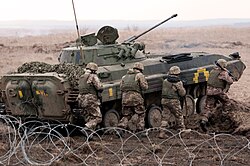
Military deployment is the international movement of armed forces and their essential logistical support. For the United States, this capability serves as a liquid asset, allowing the nation to react swiftly to emerging threats and natural disasters in various regions across the globe.
The U.S. military structure consists of six primary groups capable of overseas deployment, combat zone operations, or redeployment: the Army, Navy, Air Force, Marine Corps, Space Force, and Coast Guard.
Key Facts
- Deployment involves the strategic movement of personnel and logistics globally.
- U.S. service members have access to comprehensive health, housing, and education benefits.
- Combat stressors are strongly linked to depression, PTSD, and sleep disturbances.
- Strong family communication and emotional support are critical for the mental well-being of deployed soldiers and their children.
Benefits of Military Deployment
Service members gain various benefits throughout their careers, many of which extend to immediate family members, including spouses and children.
Healthcare and Insurance
- VA Medical Benefits: Provided by the Department of Veterans Affairs (VA), this Medicare Benefits package offers enrolled veterans a full range of inpatient and outpatient services.
- TRICARE: A health insurance program available to eligible beneficiaries of active-duty service members and retired veterans.
- TRICARE Dental Program (TDP): A voluntary dental care benefit for active-duty members and their families.
Housing and Education
- Basic Allowance for Housing (BAH): A U.S.-based allowance that compensates uniformed service members for housing costs in local markets when government quarters are unavailable.
- The 9/11 GI Bill (Chapter 33): An education program for those serving on active duty on or after September 11, 2001. Benefits may include tuition coverage, monthly housing allowances, book stipends, yellow ribbon payments, and college funds. These benefits can often be transferred to eligible spouses and children.
| Benefit | Provider/Program | Primary Purpose |
|---|---|---|
| VA Medical Benefits | Dept. of Veterans Affairs | Inpatient and outpatient healthcare for veterans |
| TRICARE | Military Health System | Health insurance for active duty and retirees |
| BAH | U.S. Government | Housing compensation based on local markets |
| GI Bill | Chapter 33 | Education, tuition, and housing for veterans/family |
Health and Mental Health Concerns
Deployment, particularly in combat environments, can lead to significant psychological and physical health challenges.
Psychological Impact
Troops are monitored for depression, which often arises in combat zones. Depression frequently co-exists with Post-traumatic stress disorder (PTSD) and sleep deprivation, all of which are linked to combat stressors.
PTSD can manifest as anxiety, avoidance, and depressive moods. It is often triggered by traumatic events such as witnessing the destruction of villages, experiencing artillery or small arms fire, seeing human remains, or being ambushed. These experiences can lead to physical reactions, such as heart palpitations and breathing difficulties, when the individual is reminded of the trauma.
Physical Injury and Historical Health Issues
Combat zones increase the risk of bodily injury and ill health. Retired soldiers may suffer from traumatic brain injuries. Historically, during the U.S. Civil War, soldiers suffered from conditions such as nostalgia (characterized by chronic fever, diarrhea, and loss of appetite) and irritable heart (characterized by dizziness, headaches, sleep disturbances, heart palpitations, and shortness of breath).
Impact on Family Dynamics
Family support is a vital component of a soldier's experience. Positive support systems can reduce strain and improve the overall attitude of the deployed member.
The stability of a soldier's home life directly impacts their deployment experience. Issues such as poor communication, financial instability, and lack of support can increase the likelihood of depression, PTSD, and sleep disturbances. Children are also deeply affected; emotional support from less-stressed parents helps children maintain more positive behavior.
Maintaining strong communication through methods like writing letters and postcards is an effective way to resolve stress and foster a positive experience for the entire family.
Frequently Asked Questions
What is the difference between the VA Medical Benefits and TRICARE?
VA Medical Benefits are provided by the Department of Veterans Affairs specifically for enrolled veterans, while TRICARE is a health insurance option for active-duty service members, their beneficiaries, and retired veterans.
Who is eligible for the 9/11 GI Bill?
The 9/11 GI Bill is available to members who served on active duty on or after September 11, 2001, and in some cases, benefits can be transferred to spouses and children.
What are the common triggers for PTSD in deployed soldiers?
Common triggers include witnessing the destruction of homes or villages, experiencing fire attacks (such as artillery or small arms fire), seeing human remains, and being ambushed.
How does family support affect a soldier's mental health?
Strong family involvement and communication help minimize the risks of PTSD, depression, and sleep disturbances, while unstable support or financial issues can exacerbate these conditions.
What were 'irritable heart' and 'nostalgia' in historical military contexts?
In the U.S. Civil War, 'irritable heart' referred to symptoms like heart palpitations and shortness of breath, while 'nostalgia' was characterized by chronic fever, diarrhea, and loss of appetite.