For millennia, the sight of a flag snapping in the wind has signaled more than just a national border; in the heat of battle, it served as a lifeline. Military colours—the collective term for flags, standards, and guidons—are deeply symbolic objects that represent the honor, history, and identity of a military unit.
The practice of carrying these markers is believed to have originated in Ancient Egypt approximately 5,000 years ago. Later, the Roman Empire utilized vexilla (battle standards) emblazoned with "SPQR" to organize their legions. By the High Middle Ages in Europe, these traditions were formalized, with standards often featuring the commander's coat of arms to mark their location on the battlefield.
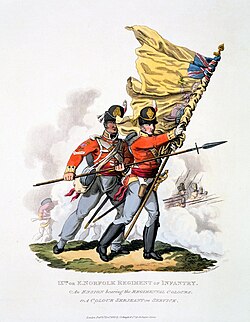
In the age of line tactics, the unit colour was an important rallying point for infantry soldiers.
Key Facts
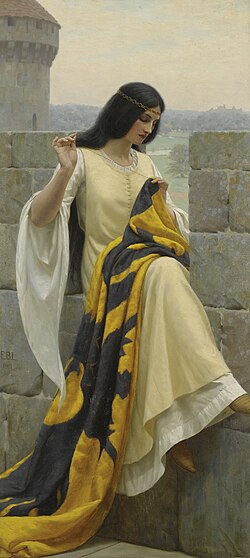
Stitching the Standard by Edmund Leighton (1911), oil on canvas.
Rallying Points: Historically, colours served as critical visual markers for soldiers to regroup during the chaos of line tactics.
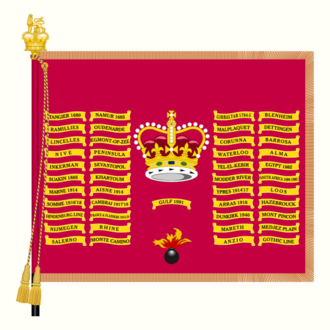
Battle Honours: Many flags feature embroidered names of past victories, preserving a unit's combat legacy.
Hierarchy of Flags: Different terms are used based on the unit: "Colours" for infantry, "Standards" for cavalry, and "Guidons" for smaller detachments.
Strict Etiquette: National colours are typically never "dipped" (lowered) in salute, whereas organizational colours often are.
Global Traditions and Variations
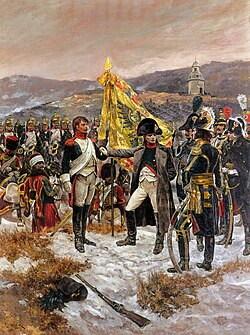
Napoleon I awarding the Legion d'Honneur to a dragoon for the capture of an Imperial regimental flag.
Commonwealth and British Traditions
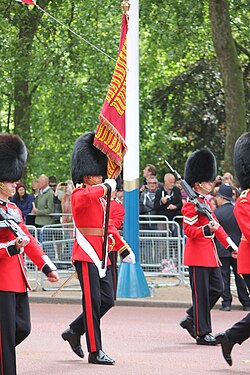
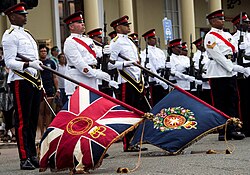
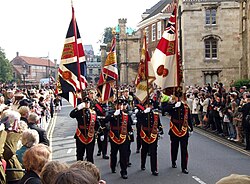
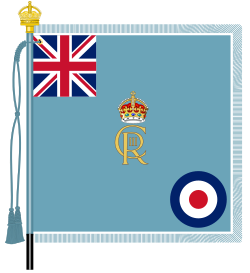
In the United Kingdom and Commonwealth nations, a distinction is often made between the King's Colour (representing the monarch) and the Regimental Colour (representing the unit). For example, the Foot Guards' King's colours are crimson, while their regimental colours are based on the Union Flag.
Queen's colour of the Grenadier Guards in 2013
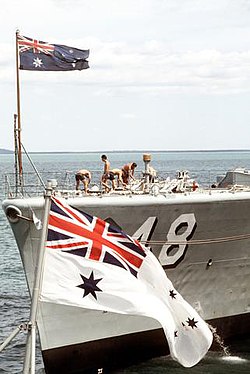
In the Royal Navy, the White Ensign is flown from the stern of ships at sea, while the Union Jack is used at the bow when the ship is not underway.
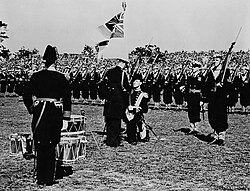
George VI presents the King's Colours to the Royal Canadian Navy at a ceremony in Beacon Hill Park, Victoria, in 1939
North American Practices
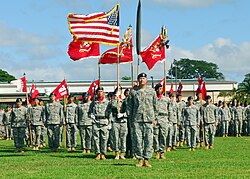
In the United States military, each branch utilizes an organizational colour (ceremonial flag) measuring 4 ft 4 in by 5 ft 6 in. These are paraded alongside a National Color of equal dimensions. While the National Color remains vertical, organizational colours and guidons are dipped during salutes.
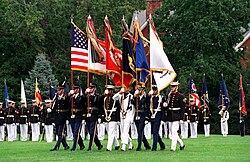
Joint colour guard showing the organizational colours of each branch (L-R): National, Army, Marine Corps, Navy, Air Force, and Coast Guard.
The U.S. Army utilizes a National Color (a fringed version of the national flag) and an Organizational Color. The latter features the eagle from the Great Seal of the United States and is adorned with campaign streamers, which serve as the American equivalent to embroidered battle honours.
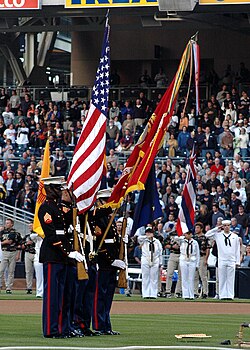
A Marine colour guard dips the Marine flag for "The Star-Spangled Banner".
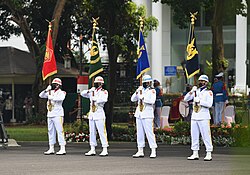
Across Asia, colours are often strictly coded by service branch. In Indonesia, the Army uses green, the Navy uses dark blue, and the Air Force uses sky blue, all featuring the national coat of arms.
Indonesian National Armed Forces, Army, Navy, and Air Force colour guards
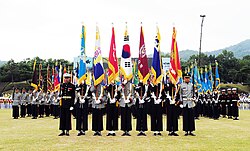
South Korea employs a detailed color system for its Army units: infantry is represented by blue, armour by yellow, artillery by burgundy red, and special operations by black.
Joint colour guard showing the organizational colours of each branch (L-R): Air Force, Army, Armed Forces, National, Joint Chiefs of Staff, Navy and Marine Corps.
European and Other Traditions
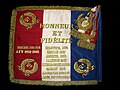
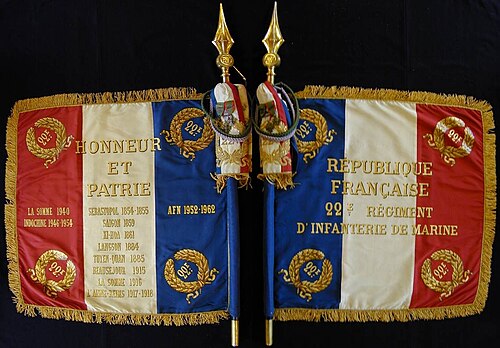
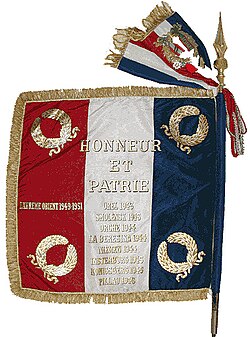
France maintains a rigorous system for its armée de Terre (Land Army), where the obverse of a colour reads "République française" and the reverse features the motto "Honneur et Patrie" (Honour and Fatherland) alongside battle honours.
Colour of the 2nd Foreign Infantry Rgt bearing the motto "Honneur et Fidélité"
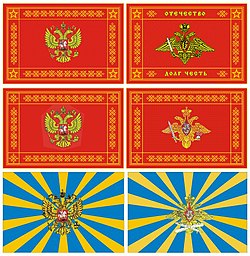
Russia's traditions evolved from 18th-century Imperial designs. Following the dissolution of the Soviet Union, the Russian Federation initially retained Soviet colours before reinstating Imperial-style designs in the early 21st century.
Russian Armed Forces (top); Russian Army (middle); Russian Aerospace Force (bottom).
Summary of Military Colour Types
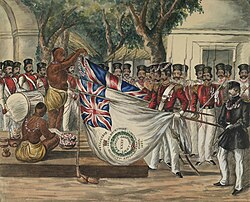
Hindu priests garlanding the colours of the 35th Bengal Light Infantry at a Presentation of Colours ceremony, c. 1847
Common Types of Military Markers
Term
Primary User
Typical Purpose
Colour
Infantry
Unit identity and rallying point
Standard
Cavalry / Guards
Commander's marker and unit honor
Guidon
Small Units / Companies
Tactical marking and identification
Ensign
Naval Forces
National identification at sea
Frequently Asked Questions
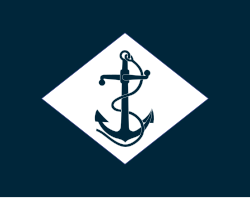
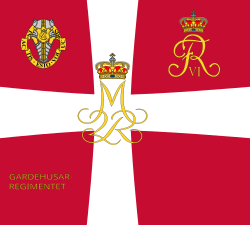
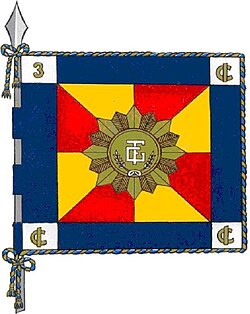
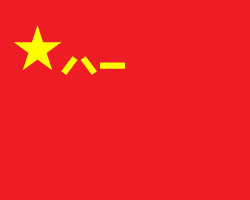
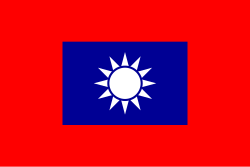
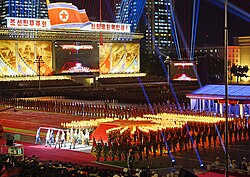
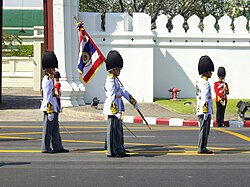
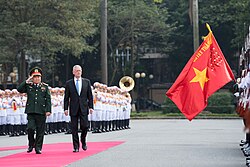
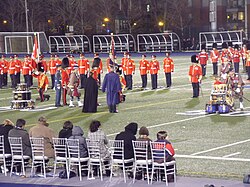
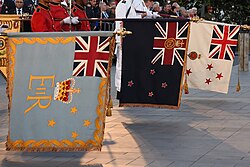
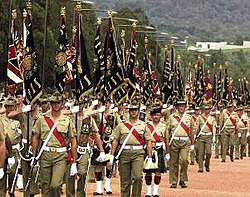
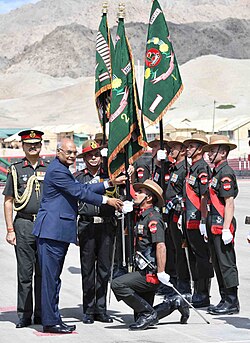
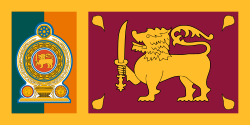
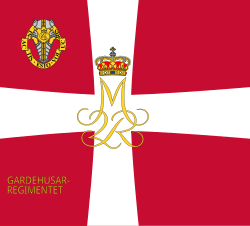
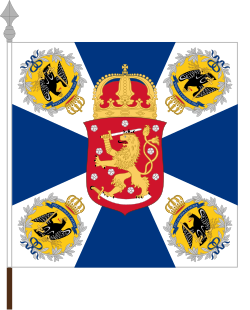
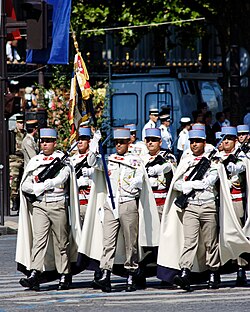
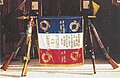
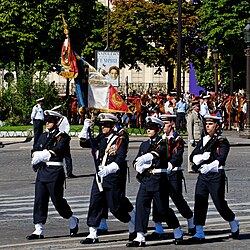
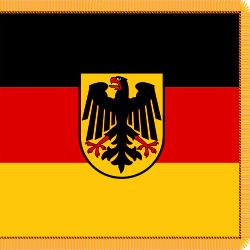
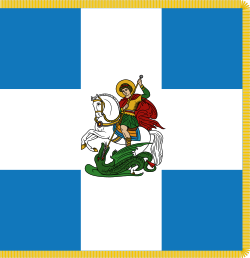
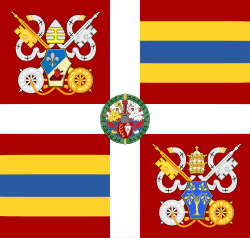
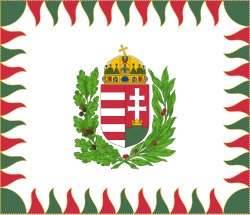
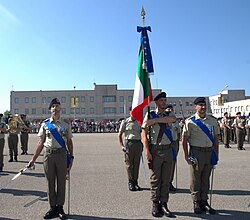
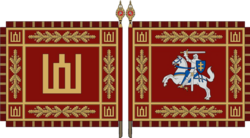
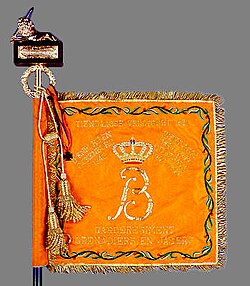
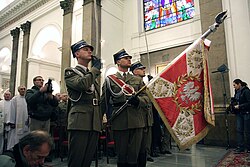
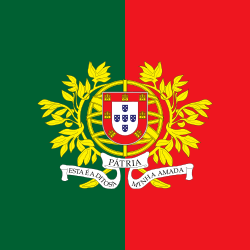
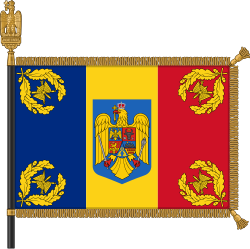
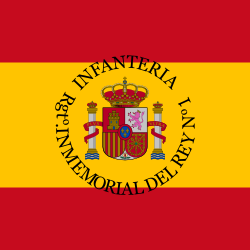
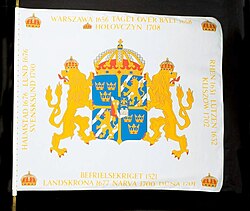
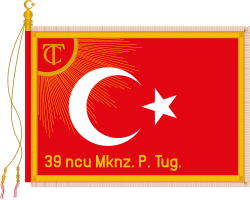
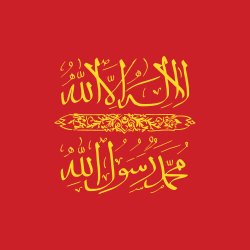
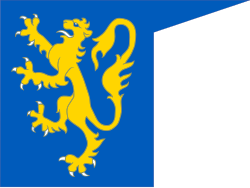
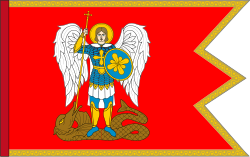
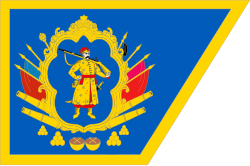
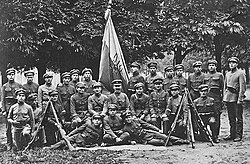
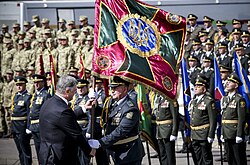
Army flag of the People's Republic of ChinaArmy flag of the Republic of ChinaThe KPA's flags decorated on a building during the 2023 Victory Day parade, and presented during the section for rising national flag.The Unit Colour of the 1st Engineer Bataillion, King's Guard of the Royal Thai Army during the funeral procession of Princess Galyani Vadhana in 2008.Vietnamese tri-service honor guards welcoming SecDef Jim Mattis in 2018 with a decorated Quyết thắng military flag.The Australian National Flag (top) was the basis of the Australian White Ensign (bottom).Prince Charles, Prince of Wales, presents new colours to the Royal Regiment of Canada and Toronto Scottish Regiment at Varsity Stadium in Toronto, 5 November 2009Queen's colours of the Royal New Zealand Air Force, New Zealand Army Officer Cadet School and Royal New Zealand NavyAll colours of the Army were on parade for the centenary of the Army, 10 March 2001.The President, Shri Ramnath Kovind presenting the prestigious President's Regimental Colours to all five Ladakh Scouts Battalions and Ladakh Scouts Regimental Centre, at Leh on August 21, 2017.President's Colour of Sri LankaColour party of the Royal Bermuda Regiment at Queen's Birthday Parade on 10 June 2017King's colour of the 1st Battalion, the Grenadier Guards. In contrast with those of the line infantry regiments, the king's colours of Foot Guards regiments are crimson, and it is their regimental colours that are based on the Union Flag. Foot Guards regiments also emblazon the same honours (from all conflicts, including both World Wars) on both colours.Additional colours of the 3rd Battalion Yorkshire Regiment (Duke of Wellington's).King's Colour of the Royal Air ForceThe Guard Hussar Regiment's ColoursJääkärilippu, the colour of 27th Royal Prussian Jaeger Battalion, is carried immediately behind the national flag in all Finnish Defence Forces national paradesStandard of the 1st Spahi Regiment in 2008. This unit has inherited the flag and battle honours of the 1st Moroccan Spahis of the Army of Africa.Flag of the 22nd Marine Infantry RegimentThe Drapeau des chasseursFlag of Sqn 1/30 Normandie-Niémen kept at BA112 Reims-ChampagneRegimental flag of the 1st Naval Fusiliers at the Bastille Day Military ParadeGerman TruppenfahneHellenic Army War FlagBanner of the Swiss Guard with the coat-of arms of commander Christoph Graf, Pope Leo XIV and Pope Julius II.Unit colour of the Hungarian Defence ForceRegimental flag of the Italian Army's 17th Volunteer Training Regiment "Acqui" on parade in July 2024Flag of the Lithuanian Armed ForcesThe regimental colour of the Garderegiment Grenadiers en JagersMilitary colours of the Representative Honor Guard Regiment of the Polish Armed ForcesNational colours of PortugalRomanian Military colours. Air Force designStandard Spanish Army ColourGuards colour of the Svea Life Guards (I 1).Flag of Turkish Army 39th Mechanized Infantry BrigadeBack Side of Standard of Ottoman Infantry RegimentFlag of Galicia-VolhyniaFlag of the Zaporozhian sichFlag of the Cossack Hetmanate (17th-18th century)Ukrainian Galician Army posing with a blue-yellow flagPresident Petro Poroshenko presents the colour to the State Border Guard Service of Ukraine at the 2017 Independence Day Parade, KyivRegimental Colors from 1898[39]The 130th Engineer Brigade, its subordinate units and their colours.U.S. Naval Infantry Battalion flag, de facto flag of the United States Navy until 1959The standard of the Guard Hussar RegimentGuidon of a unit of the former Portuguese Fiscal Guard.World War I German Field Gun displayed in North Sydney. The gun was allocated to the local council by the State War Trophy Committee in 1921.
What is the difference between a colour and a guidon?
A colour is typically a larger flag used by infantry regiments, whereas a guidon is a smaller, often swallow-tailed flag used by cavalry or smaller company-sized units for tactical identification.
What are battle honours?
Battle honours are the names of significant engagements or campaigns in which a unit distinguished itself. These are often embroidered directly onto the fabric of the colours or attached as streamers.
Why are some flags "dipped" and others not?
In many military traditions, the National Colour represents the sovereignty of the state and is never dipped in salute. Organizational or regimental colours, however, are dipped as a sign of respect to a higher authority or during specific ceremonies.
What happens to colours when they are no longer in use?
When colours become too worn or a unit is disbanded, they are often "laid up" in a sacred or official place, such as a cathedral, chapel, or museum, where they remain until they naturally decay.
![Regimental Colors from 1898[39]](/images/e1/1d/e11d586a2444a0c23e4e93de13f181240625452136eaa00a4216c06724b22547.png)