Microsoft: The Evolution of a Global Technology Giant
From its humble beginnings as a software startup to its current status as a cornerstone of the global digital economy, Microsoft has fundamentally reshaped how the world interacts with technology. Headquartered in Redmond, Washington, the company has transitioned through various eras—from the early days of personal computing to the modern frontiers of cloud computing and artificial intelligence.
Founded by Bill Gates and Paul Allen, Microsoft's journey is a testament to continuous adaptation. Whether through the ubiquity of the Windows operating system or the expansion into gaming and hardware, the company has maintained a presence in nearly every facet of the information technology industry.
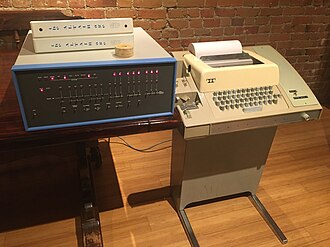
Key Facts

- Founders: Bill Gates and Paul Allen
- Headquarters: Redmond, Washington, U.S.
- Core Products: Windows, Microsoft 365, Azure, Xbox, and Surface
- Current CEO: Satya Nadella
- Industry: Information Technology
- Major Subsidiaries: GitHub and LinkedIn
A Historical Timeline of Innovation
![PRISM is a clandestine surveillance program under which the NSA collects user data from companies like Microsoft and Facebook.[301]](/images/05/d9/05d9e2b5256c16fd11f4eeb005afe98f2a3e55659ee0640e829999cbaa24c7a7.jpg)
The Founding and Early Years (1972–1985)
The company's roots trace back to the early 1970s, emerging from the predecessor known as Traf-O-Data. The partnership between Gates and Allen laid the groundwork for a software-centric future, eventually leading to pivotal contracts that would define the personal computer era.
![Paul Allen and Bill Gates on October 19, 1981, after signing a pivotal contract with IBM[2]: 228](/images/26/1a/261ac7be5b5de653ab87cc05c401970b2d966de3c36030cf025ebba3093f1451.jpg)
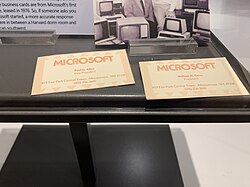
The Era of Windows and Office (1985–1994)
The mid-1980s marked a massive shift as Microsoft moved toward graphical user interfaces. The release of Windows 1.0 on November 20, 1985, served as the foundation for the Windows line, which would eventually become the world's most widely used desktop operating system.
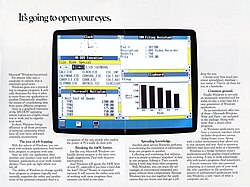
Expansion into Web, Gaming, and Cloud (1995–2011)
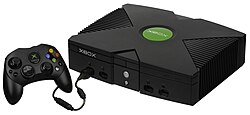
As the internet became a household staple, Microsoft expanded its reach. This period saw the launch of Windows 95 and Windows XP, alongside a significant foray into consumer electronics and gaming with the introduction of the Xbox in 2001. The Xbox featured a 733 MHz Intel Pentium III processor, making it a powerful competitor in the console market.
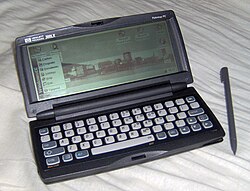
By the late 2000s, the company began pivoting toward cloud computing with the launch of Microsoft Azure, providing scalable infrastructure for businesses worldwide.
Modern Era: Devices, AI, and Leadership Shifts (2011–Present)
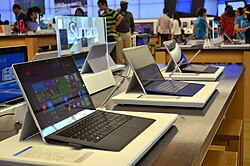
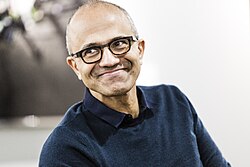
The last decade has been defined by a shift toward "mobile-first, cloud-first" strategies. Under the leadership of Satya Nadella, who succeeded Steve Ballmer in February 2014, Microsoft has focused heavily on Azure, the Surface line of 2-in-1 devices, and advanced mixed reality technologies like HoloLens.
![CEO Steve Ballmer at the MIX event in 2008. In an interview about his management style in 2005, he mentioned that his first priority was to get the people he delegates to in order. Ballmer also emphasized the need to continue pursuing new technologies even if initial attempts fail, citing the original attempts with Windows as an example.[39]](/images/95/63/9563930a77b96a21e8a128a4ba0716a4c581c2ef6afa769757f02b5478333d51.jpg)

While the company has faced challenges, including various regulatory fines from the European Commission and shifts in the mobile market, its financial trajectory remains robust, driven by enterprise services and cloud dominance.

Financial Performance and Market Presence
Microsoft is a major component of several key indices, including the Nasdaq-100, the S&P 500, and the Dow Jones Industrial Average (DJIA). The company's revenue has seen significant growth over the decades, reflecting its successful diversification.
| Year | Revenue (Billion USD) | Net Income (Billion USD) | Total Assets (Billion USD) | Employees |
|---|---|---|---|---|
| 2015 | 93.5 | 12.1 | 174 | 118,000 |
| 2018 | 110 | 16.5 | 258 | 131,000 |
| 2021 | 168 | 61.2 | 333 | 181,000 |
| 2024 | 245 | 88.1 | 512 | 228,000 |
| 2025 | 282 | 101.8 | 619 | 228,000 |
![Five year history graph of Nasdaq: MSFT stock on July 17, 2013.[178]](/images/86/3d/863df58ae28641c8d84eabbacf43118307a15defbae6df661e57ab368eb2a5ae.webp)
Product Ecosystem and Services
Microsoft's ecosystem is vast, spanning several distinct divisions:
- Software & Services: Windows, Microsoft 365, Teams, and the Edge browser.
- Cloud & Enterprise: Azure, Dynamics 365, and GitHub.
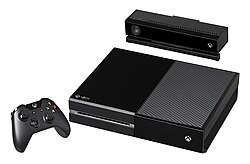
- Hardware & Gaming: Surface devices and the Xbox console family, including the Xbox One and recent series.
- Professional Networking: LinkedIn.


Frequently Asked Questions
Who are the current leaders of Microsoft?
Satya Nadella serves as the Chairman and CEO, while Brad Smith serves as the Vice Chairman and President. Bill Gates remains a technical adviser.
What are Microsoft's primary revenue drivers?
The company generates significant revenue through its cloud services (Azure), software products (Microsoft 365, Windows), and gaming (Xbox), with a global sales split nearly evenly between the United States and other countries.
What is the Surface series?
The Surface series is a line of computer hardware produced by Microsoft, including 2-in-1 laptops and tablets designed to showcase the integration of their software and hardware.
How has Microsoft's leadership changed over time?
Microsoft has had three primary eras of leadership: Bill Gates (1975–2000), Steve Ballmer (2000–2014), and Satya Nadella (2014–present).
Does Microsoft produce gaming hardware?
Yes, Microsoft produces the Xbox series of video game consoles, which are known for their graphical power and integration with the Xbox network and Game Pass service.